 By admin
 Is Helicobacter pylori Silently Affecting Your Digestive Health? A Crucial Warning
Do you often experience an unsettling burning sensation in your stomach after an ordinary meal, or find yourself discreetly rubbing your abdomen in discomfort? It’s common for many, especially older adults, to dismiss these symptoms as merely “part of aging digestion.” However, persistent feelings of pressure, bloating, or an inexplicable fullness can gradually erode your daily well-being and confidence. What many don’t realize is that a remarkably prevalent stomach bacterium could be silently inflaming their digestive lining for years, often without clear indicators. Before you disregard these subtle bodily signals, it’s vital to understand a key aspect of this bacterium that often remains unknown until much later in life.
What Exactly Is Helicobacter pylori?
Helicobacter pylori, commonly referred to as H. pylori, is a distinctive spiral-shaped bacterium uniquely adapted to inhabit the protective mucous lining of the stomach and the initial segment of the small intestine. Its remarkable characteristic lies in its ability to thrive within the stomach’s extremely acidic environment, a feat most microorganisms cannot achieve. This resilience is attributed to an enzyme it produces called urease, which effectively neutralizes the surrounding stomach acid, creating a more hospitable microenvironment. This mechanism allows H. pylori to embed itself deeply within the stomach lining, often residing there for many years, even decades, without detection.
Intriguingly, a significant number of individuals harbor H. pylori without experiencing any noticeable symptoms, feeling entirely healthy. Yet, for others, the presence of this bacterium can lead to chronic irritation of the stomach lining, eventually causing various forms of digestive discomfort and inflammation. Studies featured in prominent gastroenterology publications indicate that over half of the worldwide population might be carriers of H. pylori. This widespread prevalence means a vast number of people could be living with the bacterium completely unaware of its presence, which underscores a critical point about its impact on health.
Recognizing Potential Signs of H. pylori Infection
Many adults, particularly those above sixty, frequently attribute stomach discomfort to dietary choices like spicy foods or the pressures of stress. However, these sensations can often be your body’s subtle way of communicating an underlying issue. Symptoms indicative of irritation to the stomach lining, potentially linked to H. pylori, can manifest as:
- A persistent burning or dull ache in the upper abdominal region.
- Post-meal bloating or a feeling of distension.
- Excessive and frequent burping.
- Mild nausea or general stomach upset.
- Feeling prematurely full shortly after starting a meal.
- A noticeable decrease in appetite.
- Unexplained or unintentional weight loss.
The challenge with these symptoms is their often gradual onset and intermittent nature, frequently appearing and subsiding. This variability often leads individuals to overlook them for extended periods. Nevertheless, gastrointestinal specialists consistently highlight a crucial point: ongoing stomach irritation serves as a vital signal that something is disrupting the stomach’s protective inner layer. While H. pylori isn’t the sole culprit, it remains one of the primary factors medical professionals consider when these symptoms persist.
How Is H. pylori Typically Transmitted?
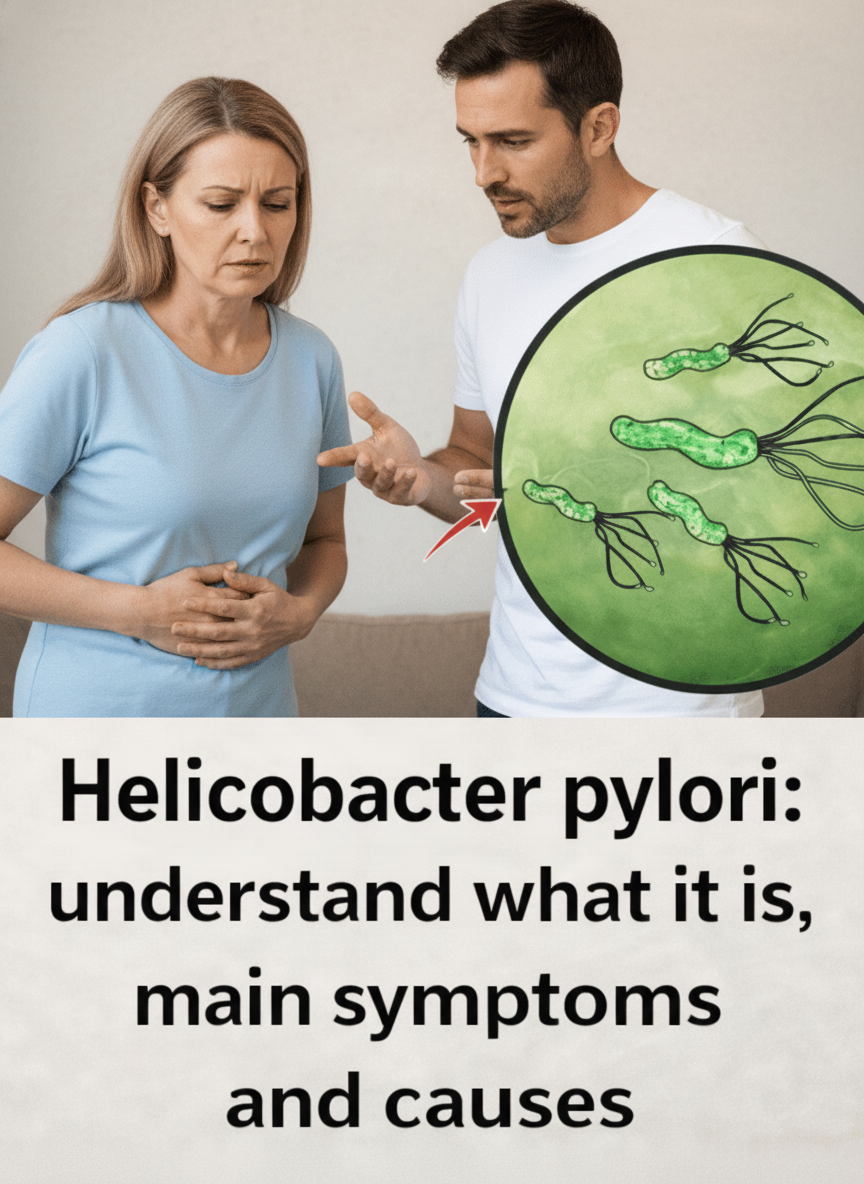
The primary modes of H. pylori transmission involve direct contact with contaminated food, water, or saliva. Often, individuals acquire this infection early in life, and it can then lie dormant and undetected within their system for decades. Common pathways through which the bacterium can spread include:
- Sharing personal eating utensils or drinking vessels.
- Intimate contact involving saliva, such as kissing.
- Insufficient hand hygiene, particularly after using bathroom facilities.
- Consumption of tainted water or inadequately prepared food.
- Residing in densely populated areas with compromised sanitary conditions.
However, the narrative doesn’t end there. Even in regions boasting high standards of hygiene, H. pylori infections can still manifest. The bacterium’s capacity to persist silently in the stomach for numerous years implies that an individual may remain unaware of their carrier status until digestive symptoms finally emerge in later adulthood. This prolonged latency underscores why heightened awareness of H. pylori is exceptionally crucial.
The Critical Importance of Addressing Persistent Stomach Irritation
While sporadic indigestion is a common experience for most, chronic or persistent irritation of the stomach lining can progressively lead to more profound digestive issues. Extensive medical research has established a clear link between the long-term presence of H. pylori and various gastric conditions, including:
- Chronic gastritis: A persistent inflammation of the stomach’s protective lining.
- Peptic ulcers: Painful sores that develop in the stomach or the initial part of the small intestine.
- Significant digestive discomfort that detrimentally impacts eating patterns and quality of life.
- An elevated risk of developing specific severe stomach conditions later in life.
It’s important to offer a reassuring perspective: not every individual infected with H. pylori will necessarily develop severe health complications. Indeed, a considerable number of people coexist with the bacterium throughout their lives without ever experiencing adverse effects. Nevertheless, gastroenterology specialists emphatically advise against ignoring persistent or recurring digestive symptoms, particularly for adults aged fifty and above. Timely medical evaluation enables healthcare professionals to accurately assess the condition of the stomach lining and determine if intervention is required. Furthermore, integrating simple daily habits can significantly contribute to safeguarding overall digestive health.
Everyday Habits for Optimal Digestive Well-being
Beyond understanding the potential risks of H. pylori, cultivating proactive daily habits is fundamental for nurturing a resilient digestive system and promoting overall gut health. While the previous sections highlighted the importance of professional evaluation for persistent symptoms, integrating mindful practices into your routine can offer significant support. These habits, often simple yet impactful, play a crucial role in maintaining the delicate balance of your stomach environment and enhancing its protective capabilities.