 By admin
 Waking up to find noticeably prominent or bulging veins on your arms, hands, or legs can be a surprising and sometimes unsettling experience, especially if you’re over 40. This sudden visibility often prompts questions about underlying health, circulation, or the natural process of aging. While it’s natural to feel a pang of concern, the good news is that these changes are frequently linked to common, non-alarming factors. However, understanding the ‘why’ behind these vascular shifts can empower you and provide peace of mind. Let’s delve into the most frequent causes, helping you feel informed and confident about your body’s signals.
🌡️ Everyday Triggers for Increased Vein Visibility
It’s quite common to observe your veins becoming more prominent on your hands or forearms after periods of physical exertion or exposure to warmth, a phenomenon that can be particularly noticeable for individuals over 40. Vigorous physical activity, including strength training, significantly boosts blood flow and pressure throughout the body. This increased demand causes veins to temporarily expand, facilitating the efficient delivery of oxygen to working muscles. While this is a healthy physiological response, it can certainly make veins appear more pronounced, leading to self-consciousness for some. Similarly, elevated temperatures and warm weather conditions prompt your body to dilate blood vessels, including veins, as a natural mechanism to release heat and regulate body temperature. This effect is especially apparent during warmer seasons or after spending time outdoors. These are often the first, most immediate reasons behind suddenly noticeable veins.
💪 Exercise Intensity and Body Composition: Unveiling Veins
Engaging in regular physical activity, particularly resistance training, can significantly contribute to the temporary prominence of your veins. When you lift weights or perform intense exercises, your blood volume increases and flows more vigorously, causing superficial veins to become more apparent beneath the skin. This is a familiar sight for many active individuals, particularly those in their mid-life years. Furthermore, your body composition plays a crucial role. If you’ve recently experienced weight loss or naturally possess a lower body fat percentage, there’s less subcutaneous tissue to obscure your veins. This reduction in padding allows veins to sit closer to the surface, making them appear more pronounced. While this effect is generally benign and indicative of good circulatory health, it can sometimes be a source of self-consciousness, especially during warmer weather or when adopting new fitness routines. However, the influence of time extends beyond just activity levels.
👵 The Impact of Aging Skin and Loss of Elasticity
As we age, our skin undergoes natural changes that can significantly affect the visibility of our veins. Typically after the age of 40, the skin begins to thin and lose its natural elasticity and collagen support. This gradual process means that the protective layer of skin over your veins becomes less substantial, allowing them to sit closer to the surface and appear more prominent without any specific exertion. Dermatological research consistently highlights this thinning as a key factor. Genetics also play a significant role, predisposing some individuals to more noticeable veins as they age. It can be quite disconcerting to observe this change, particularly if you’ve always had relatively smooth skin. Yet, environmental and daily habits can further amplify this effect.
☀️ Environmental Heat, Sun Exposure, and Lifestyle Habits
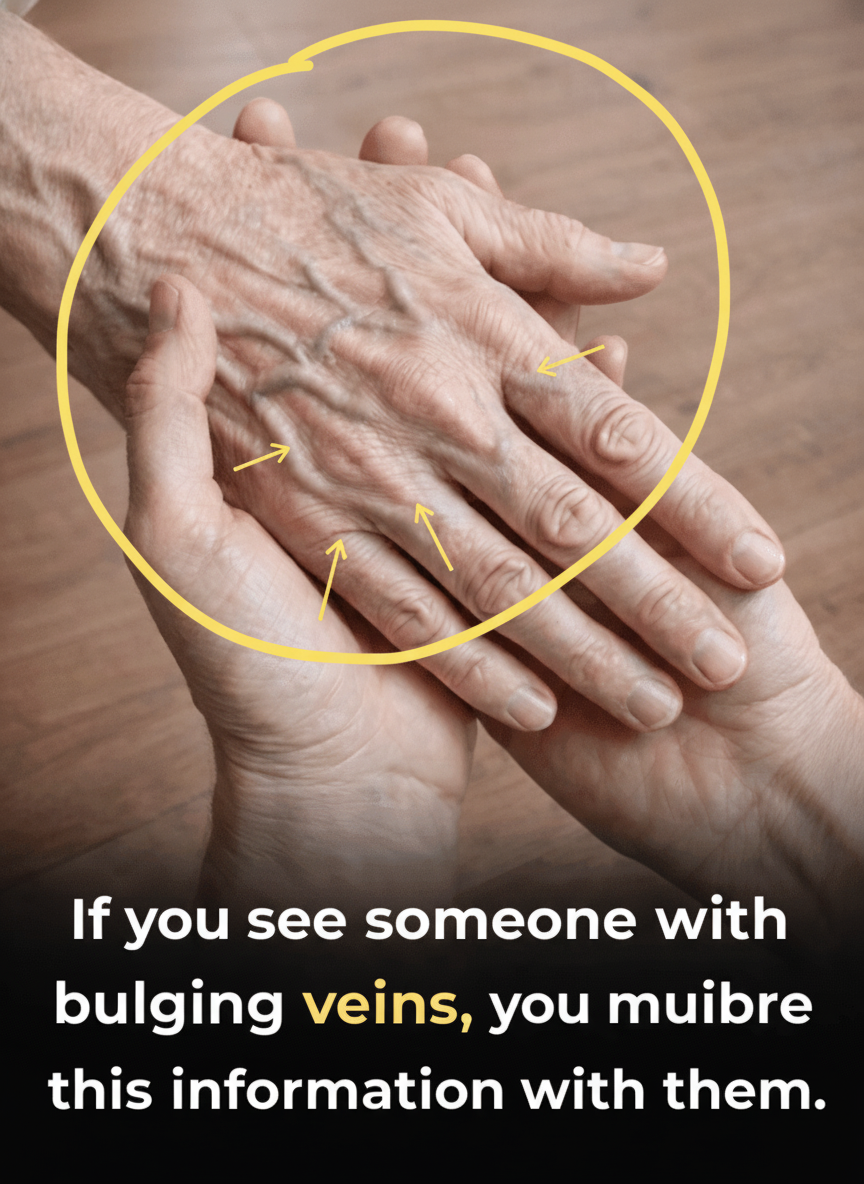
Beyond internal bodily changes, external factors and daily routines can also contribute to increased vein prominence. Warm environments, as previously mentioned, cause veins to dilate as part of the body’s cooling mechanism. Furthermore, extended exposure to sunlight can degrade collagen and elastin fibers in the skin over time, which are crucial for skin structure and support. This breakdown can make underlying veins more apparent. Lifestyle choices, particularly those involving prolonged periods of immobility, also have an impact. Spending extended hours sitting or standing, common in many professions, allows gravity to exert its pull, leading to blood pooling in the lower extremities. This increased pressure can cause veins in the legs to become engorged and more visible, a common complaint among busy adults in their middle years, especially during seasonal transitions or demanding workdays. While these factors contribute, it’s also important to consider the health of your vein valves.
🔬 When Prominent Veins Might Signal Varicose Vein Development
While many causes of visible veins are benign, sometimes their sudden prominence can point to a more significant underlying issue, such as varicose veins. This condition occurs when the small valves within your veins, designed to ensure blood flows only upwards towards the heart, become weakened or damaged. When these valves don’t function correctly, blood can reflux and pool within the vein, causing it to stretch, enlarge, and become tortuous over time. Research indicates that factors like increasing age, excess body weight, genetics, and occupations requiring prolonged standing can elevate the risk of developing varicose veins. These often present as rope-like, twisted, and bulging vessels, particularly in the legs. It’s entirely natural to feel concerned if these changes impact your comfort or how you perceive your appearance. The crucial step is recognizing the signs that differentiate typical vascular changes from those that warrant medical attention.
🚩 Red Flags: When to Seek Medical Advice for Vein Changes
While many instances of suddenly prominent veins are harmless, certain accompanying symptoms should prompt a visit to a healthcare professional. It’s essential to be vigilant for “red flags” that could indicate a more serious condition requiring prompt medical evaluation. These include:
- Unilateral Swelling: If only one leg or arm exhibits sudden, significant swelling alongside bulging veins.
- Pain or Tenderness: Experiencing localized pain, tenderness, throbbing, or aching around the visible veins.
- Skin Changes: Redness, warmth to the touch, skin discoloration (especially around the ankle), or skin hardening.
- Skin Ulcers: Open sores or ulcers developing near the affected veins.
- Fever: If vein changes are accompanied by a fever.
- Sudden Onset of Severe Symptoms: Any sudden, severe discomfort or rapid progression of symptoms.
These symptoms could suggest conditions like deep vein thrombosis (DVT), superficial thrombophlebitis, or worsening venous insufficiency, all of which require professional diagnosis and management. Don’t hesitate to consult your doctor if you experience any of these warning signs.
Observing suddenly bulging and visible veins can be a surprising development, but as we’ve explored, it’s often a normal physiological response or a benign sign of aging. From the temporary effects of exercise and heat to the gradual changes in skin elasticity and body fat, many factors contribute to vein prominence. However, staying attuned to your body and recognizing when these changes are accompanied by concerning symptoms is vital for maintaining your vascular health. By understanding these common causes, you can approach these observations with greater knowledge and confidence, knowing when to simply monitor and when to seek expert medical advice.