 By admin
 Many individuals, especially those navigating their 40s and beyond, often find themselves staring into a mirror, puzzled by persistent tiny white bumps on their face. This common skin concern, medically known as milia, can be a source of frustration, with many feeling that these blemishes make their skin appear older despite diligent care. It’s not uncommon for people to resort to aggressive tactics like harsh scrubs, squeezing, or unverified online remedies, only to find their skin becoming more irritated and uneven. The reality is that milia are widely misunderstood, and misdiagnosis often exacerbates the problem. Yet, there’s good news: understanding the true nature of these stubborn bumps and adopting a few key habits can significantly transform your skin’s appearance and texture over time. We’ll even reveal one crucial, often-overlooked habit towards the end of this article.
Milia vs. Acne: Understanding the Key Difference
A frequent misconception among adults, particularly after the age of 40, is to mistake these small white dots for a form of acne. While this assumption is widespread, the underlying truth is quite distinct. Milia are, in fact, tiny, benign keratin-filled cysts that form just beneath the skin’s outermost layer. Crucially, unlike acne blemishes, milia lack an opening to the skin’s surface, which is precisely why attempts to squeeze or “pop” them are almost always ineffective and often lead to further irritation.
Dermatological studies consistently show that milia develop when dead skin cells and keratin, a natural skin protein, become trapped under the skin instead of shedding away as they normally would. This distinction is vital because treating milia with acne-specific products, which are often designed to target oil and bacteria, or attempting manual extraction, can severely irritate the delicate skin, leading to redness, inflammation, and even permanent scarring. These stubborn bumps are commonly observed in areas such as:
- Around the eyes
- On the cheeks
- Near the nose
- Occasionally on the forehead
It might surprise many to learn just how common milia are in the adult population. Research indicates a significant percentage of adults will experience them at some point, a prevalence that tends to increase as the natural process of skin cell renewal slows with age. To help you accurately identify these skin concerns, here’s a quick comparison:
| Skin Bump Type | Appearance | Opening on Skin | Common Cause |
|---|---|---|---|
| Acne Whitehead | Soft, flesh-colored bump with a visible pore | Yes | Clogged pores with oil, dead skin cells, and bacteria |
| Milia | Hard, pearl-like white dot, often firm to the touch | No | Trapped keratin and dead skin cells |
| Blackhead | Dark or black plug within a visible pore | Yes | Oxidized oil and dead skin cells in a hair follicle |
Accurately recognizing the type of bump you’re dealing with is the first step towards adopting a gentler, more effective skincare routine, rather than resorting to aggressive treatments that could worsen the condition. This understanding naturally leads to another common question: Why do milia seem to become more prevalent as we enter our thirties and forties?
Why Milia Tend to Emerge More Frequently After 40
The appearance of milia often correlates with the subtle, yet significant, changes our skin undergoes as we age. One of the primary factors is the natural slowing of our skin’s cell turnover rate. This means that dead skin cells, instead of shedding efficiently, tend to linger on the skin’s surface for longer periods. When these old cells become trapped beneath the new epidermal layers, they can coalesce with keratin to form those characteristic tiny white cysts.
However, slowed cell renewal isn’t the only culprit. Several everyday practices and environmental factors can also contribute to the increased likelihood of milia developing. Dermatologists frequently highlight the following common triggers:
- Rich, Occlusive Face Creams: Especially around the delicate eye area, very heavy or thick creams can create a barrier that traps dead skin cells and keratin, preventing their natural exfoliation.
- Thick Ointments: Similar to heavy creams, certain ointments designed to seal in moisture can inadvertently create an environment conducive to milia formation.
- Excessive Sun Exposure: UV damage can thicken the outer layer of the skin, making it harder for dead cells to shed properly and increasing the risk of entrapment.
- Aggressive Skincare Practices: Over-exfoliating with harsh physical scrubs can irritate the skin, paradoxically leading to a buildup of dead skin cells as the skin tries to protect itself.
- Post-Procedure Recovery: Following certain cosmetic procedures, the skin’s healing process can sometimes lead to temporary milia formation.
It’s important to note a common belief: that more moisturizing is always better for every skin concern. While adequate hydration is crucial for healthy skin, using excessively heavy or occlusive products, particularly on thinner skin like that around the eyes, can sometimes trap keratin and contribute to milia. Many adults recount the frustrating experience of applying makeup, only for these tiny bumps to become more noticeable under foundation. This feeling of helplessness is common, but understanding the root causes offers a powerful advantage. Instead of battling your skin, you can learn to support its natural renewal and health. This crucial insight also brings us to an important caution regarding popular internet remedies, as some can actually worsen the situation.
The Dangers of Viral Home Remedies for Milia
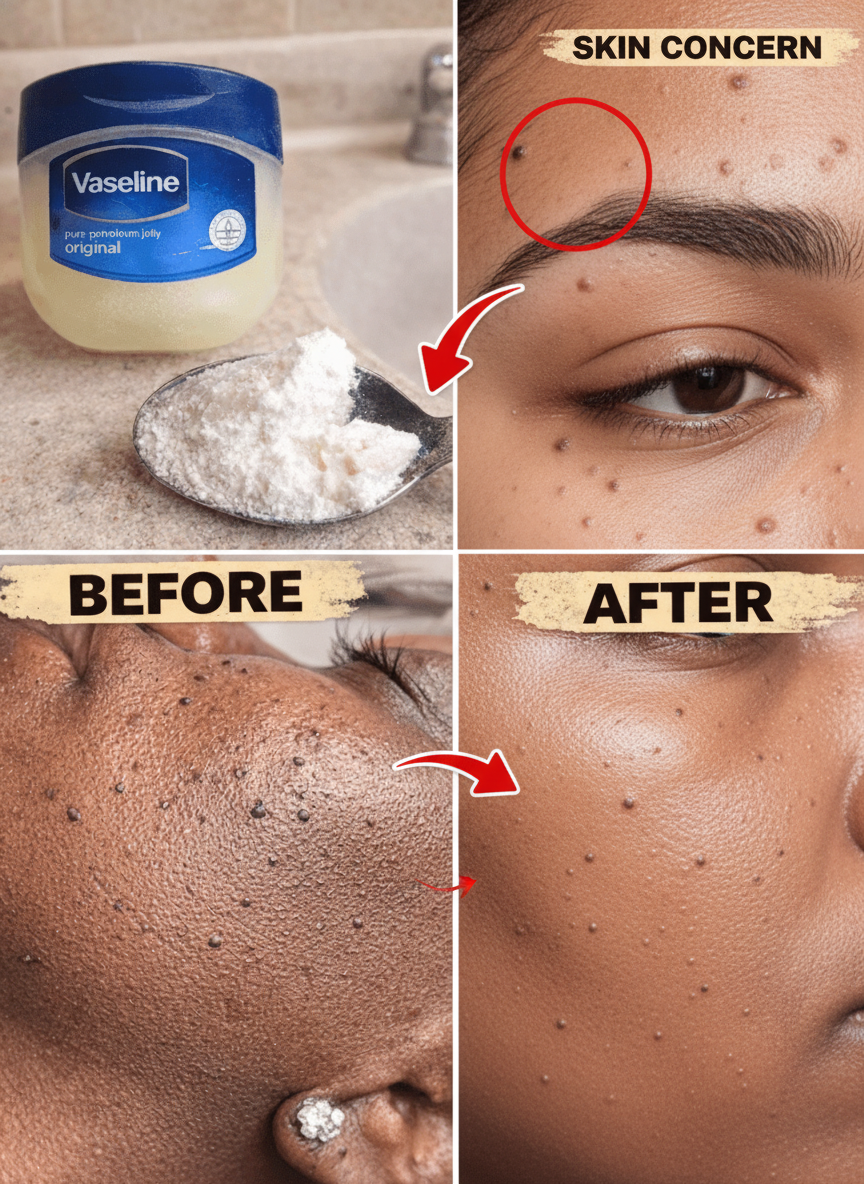
In our digital age, social media platforms are brimming with countless “miracle” recipes promising to eliminate milia overnight. You’ve likely encountered suggestions ranging from abrasive coffee scrubs and harsh baking soda pastes to suffocating layers of petroleum jelly mixed with various household ingredients. These DIY solutions gain rapid traction due to their perceived simplicity and low cost. However, leading dermatology experts consistently issue strong warnings against adopting such trends.
The primary reason for this caution lies in the delicate nature of facial skin, particularly around the eyes and cheeks, which becomes even more susceptible to damage as we age. Applying unverified concoctions can lead to a host of adverse reactions, including:
- Significant skin irritation and inflammation
- Excessive dryness, flakiness, and persistent redness
- Disruption of the skin’s natural protective barrier, making it vulnerable to external aggressors
- Increased sensitivity to other products and environmental factors
Consider the example of baking soda: it possesses a highly alkaline pH level, which is drastically different from the skin’s naturally acidic mantle. Repeated application can strip away the skin’s protective oils, compromise its barrier function, and lead to chronic dryness, irritation, and even chemical burns. Instead of solving the problem, these aggressive, unscientific approaches often worsen milia and create additional, more severe skin issues. For effective and safe management of milia, consulting a dermatologist or a qualified skincare professional is always the recommended course of action.