 By admin
 Many older adults quietly contend with stubborn, often painful growths on the soles of their feet. Initially, these might be mistaken for minor calluses, but they can soon make walking uncomfortable and even cause embarrassment in public settings like swimming pools or family gatherings. While some individuals attempt to ignore or conceal them with socks, the discomfort frequently intensifies over time. Interestingly, common kitchen ingredients have long been investigated for their potential in supportive home care, and a straightforward garlic application is now attracting attention among seniors seeking gentle self-care options. This article will explain why these foot lesions develop, the historical role of garlic in traditional home routines, and how to cautiously try a simple method widely discussed online.
Understanding Plantar Warts: Causes and Characteristics
Before delving into home-based care strategies, it’s beneficial to understand the nature of these common foot bumps. Plantar warts are coarse, non-cancerous skin growths that typically form on the weight-bearing areas of the foot. They are caused by the human papillomavirus (HPV), a common virus that infiltrates the skin through tiny cuts or abrasions. Due to the constant pressure exerted on the feet during daily activities, these warts often grow inward, pressing into the deeper layers of the skin rather than protruding outwards. This characteristic growth pattern can make them feel like a small stone lodged beneath the skin. Key identifiers of plantar warts include:
- Thickened, rough skin texture on the sole of the foot.
- Minute black dots, which are actually tiny clotted blood vessels, visible within the lesion.
- Pain or tenderness when walking, standing, or applying direct pressure to the affected area.
- Interruption of the normal skin lines (footprints) around the perimeter of the wart.
Dermatological research indicates that the body’s immune system frequently resolves these growths naturally over time. Nevertheless, many individuals actively seek supportive care methods to alleviate discomfort or promote healthier skin during the healing process. However, a crucial aspect often overlooked is that certain daily practices can inadvertently contribute to the spread or persistence of these viral lesions.
Why Plantar Warts Can Be Persistent for Seniors
As we age, our skin undergoes natural changes, and our immune system’s responsiveness can diminish. These physiological shifts can render the feet more susceptible to minor skin infections and result in slower healing times. Several contributing factors make plantar warts more prevalent or difficult to clear in older adults:
- Reduced Skin Elasticity: Aging skin tends to be drier and less elastic, leading to small cracks that provide easier entry points for viruses.
- Changes in Circulation: Blood flow to the extremities, particularly the feet, may slightly decrease with age, potentially impacting the body’s ability to heal.
- Weakened Immune Response: An aging immune system might take longer to effectively identify and eliminate viral skin growths.
- Frequent Pressure Points: Prolonged standing or walking can increase irritation and pressure on the feet, which may exacerbate wart symptoms.
Furthermore, an important point often highlighted by medical professionals is that damp environments, such as communal locker rooms, public swimming pools, and shared showers, create ideal conditions for the transmission of viral skin infections. Yet, that’s not the complete picture. Some individuals unintentionally worsen their condition by resorting to harsh or abrasive home remedies that irritate sensitive skin, prompting a search for gentler alternatives.
Garlic in Traditional Skin Care: A Time-Honored Approach
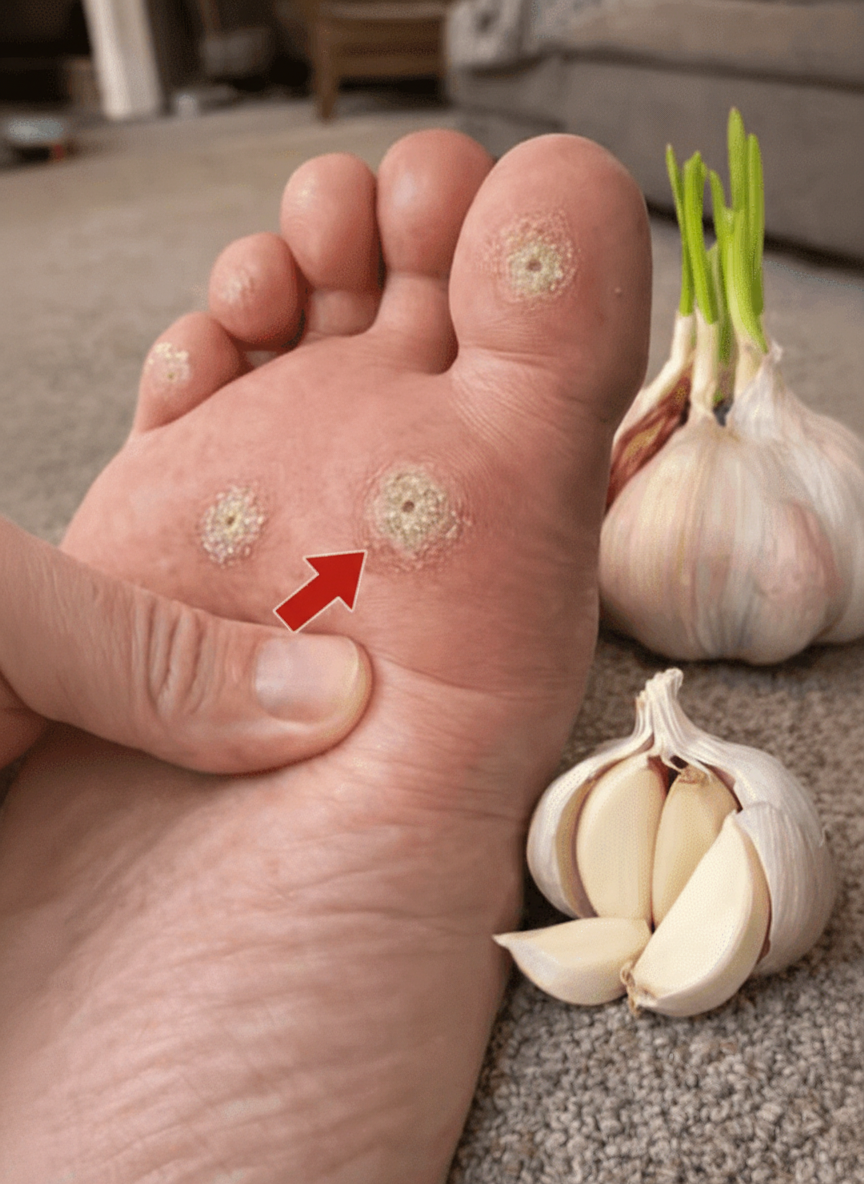
Garlic has held a significant place in traditional medicine systems across various cultures in Europe and Asia for centuries. Modern scientific investigations suggest that garlic contains potent compounds, notably allicin, which exhibit both antimicrobial and skin-supporting properties. Researchers have explored garlic extracts for their potential in addressing a range of skin concerns, largely due to their influence on microbial activity. However, it is vital to clarify a key distinction: garlic is not recognized as a medical treatment or cure for warts. Instead, it is sometimes incorporated into a personal skin care regimen as a complementary practice that may aid in hygiene and skin maintenance. Reasons for the sustained interest in garlic include:
- Its composition of natural sulfur compounds, known for various health benefits.
- Its long history of traditional use in skin cleansing and purification practices.
- Its widespread availability and affordability in most household kitchens.
- Its cost-effectiveness compared to many commercial over-the-counter products.
It is crucial to note, however, that improper or excessive application can lead to skin irritation. This underscores the importance of adopting a mild and cautious approach.
A Gentle Garlic Foot Care Routine: What Many People Try
For those considering this traditional method, the emphasis is on simplicity and minimizing the risk of skin irritation. Here is a commonly discussed routine that individuals explore for foot care:
- Step 1: Begin by thoroughly washing the affected foot with warm water and a mild, gentle soap.
- Step 2: Soak the foot in warm water for approximately ten minutes to help soften the skin around the wart.
- Step 3: Crush a single fresh garlic clove to form a fine paste.
- Step 4: Apply a very small, controlled amount of the garlic paste directly onto the thickened skin area of the wart, avoiding surrounding healthy skin.
- Step 5: Loosely cover the application area with a small, breathable bandage or gauze.
- Step 6: Allow the garlic to remain on the skin for about thirty minutes, then gently rinse the area with water.
This routine is often repeated several times per week as part of an ongoing skin care regimen. Nevertheless, an essential guideline must always be followed: if any signs of redness, burning, itching, or irritation occur, discontinue use immediately. Garlic’s potency can be significant for individuals with sensitive skin.
For maintaining overall healthy feet, consistent hygiene and careful attention to any persistent skin issues are always recommended.