 By admin
 Have you ever reached for an item on a high shelf, only to be met with an unexpected muscle cramp or a sudden, sharp backache? These moments, often dismissed as mere signs of “getting older,” can be more than just minor inconveniences. While it’s easy to brush off moving slower or subtly rubbing aching joints, your body might actually be sending crucial signals for better nutritional support. Subtle cues, such as persistent fatigue, brittle fingernails, or unusual tingling, can often serve as indicators that essential nutrients are lacking. By the time you finish reading, you’ll uncover straightforward daily practices that could significantly enhance your bone and muscle health in ways many people overlook.
Why Calcium Becomes Even More Critical with Age
Calcium stands as a cornerstone mineral vital for human health. A staggering 99% of our body’s calcium reserves are meticulously stored within our bones and teeth, forming the bedrock of their structure and resilience. Yet, the often-underestimated 1% that circulates freely is equally indispensable, facilitating a multitude of daily physiological processes, including:
- Efficient muscle contractions
- Precise nerve impulse transmission
- Effective blood clotting mechanisms
- Maintaining a steady heart rhythm
As we advance in years, our body’s capacity to absorb and utilize calcium can diminish. Factors like natural hormonal shifts, certain medications, and long-term lifestyle choices can progressively lead to a reduction in bone mineral density. Studies highlighted in leading nutrition and aging publications reveal that older adults face a heightened susceptibility to gradual mineral depletion. This depletion can significantly impact their mobility and overall physical comfort, often manifesting as subtle warning signs that are frequently overlooked. These aren’t just minor annoyances; your body often communicates these small signals long before more significant health issues emerge.
8 Subtle Indicators That Could Point to Low Calcium Levels
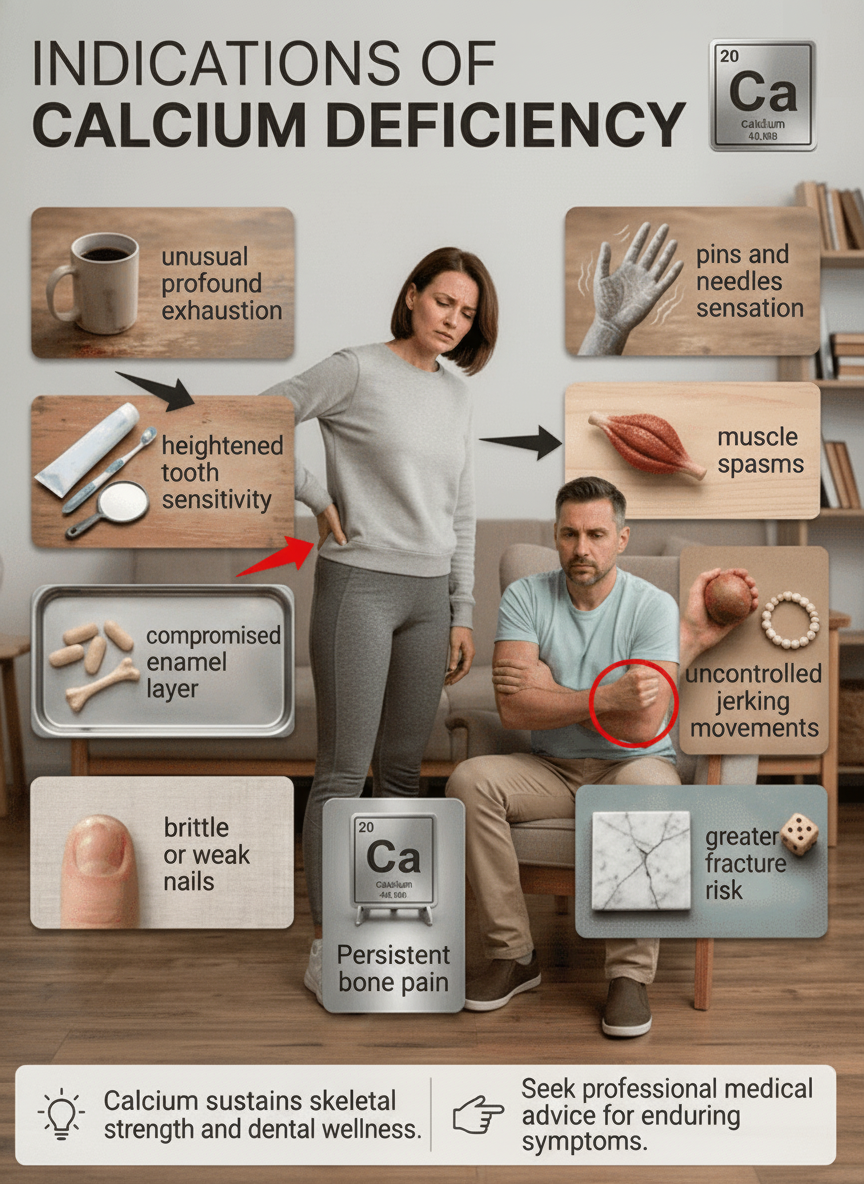
A calcium imbalance seldom manifests suddenly. Instead, it typically progresses gradually, revealing itself through a series of inconspicuous symptoms. Here are some common indicators that individuals might observe:
1. Persistent Fatigue
While occasional tiredness is a universal experience, an unusual or inexplicable sense of exhaustion can signal that your muscles and nerves aren’t operating at peak efficiency. Many describe this as a pervasive lack of energy, even after sufficient rest.
2. Muscle Cramps or Spasms
The proper functioning of muscle contractions is heavily dependent on adequate calcium. Insufficient levels can lead to:
- Nocturnal leg cramps
- Involuntary muscle twitching
- Sudden, unexpected spasms, particularly in the calves, thighs, or feet
3. Tingling Sensations in Hands or Feet (Paresthesia)
A “pins and needles” sensation or mild numbness in the extremities can sometimes arise when nerve signal transmission is compromised. Calcium plays a vital role in regulating these nerve impulses, and lower levels may result in these noticeable sensory disturbances.
4. Chronic Bone Discomfort
Our bones are dynamic structures, undergoing continuous regeneration. Without a consistent supply of essential minerals, their structural integrity can gradually diminish. This may manifest as dull, persistent aches in areas such as the hips, spine, or legs.
5. Heightened Dental Sensitivity
Calcium is fundamental for maintaining strong tooth enamel. A prolonged inadequate intake can contribute to:
- Increased tooth sensitivity
- Weakened enamel structure
- General dental discomfort
6. Brittle or Weak Nails
When faced with limited mineral resources, the body intelligently prioritizes its most critical systems. Consequently, non-essential areas like nails may suffer, becoming:
- Thin and fragile
- Prone to brittleness
- Easily cracked or broken
7. Compromised Tooth Enamel
The condition of your teeth often serves as a mirror to your overall bone health. Dental professionals frequently observe noticeable changes in enamel in individuals experiencing long-term nutritional imbalances.
8. Increased Vulnerability to Bone Fractures
Over time, a sustained reduction in bone mineral density can significantly elevate the risk of fractures, even from minor impacts. This underscores why proactive bone health awareness becomes particularly crucial for individuals over the age of 50. It’s important to note, however, that while these symptoms are suggestive, not everyone experiencing them necessarily has a calcium deficiency. Therefore, a holistic examination of one’s broader lifestyle and health picture is essential.
Why Many Adults Over 50 Struggle with Adequate Calcium Intake
It’s a common misconception that one’s daily diet automatically supplies sufficient calcium. Yet, a combination of often-overlooked factors can subtly impair both calcium intake and its subsequent absorption within the body. Here are some prevalent reasons:
1. Diminished Appetite in Later Years
As individuals age, a natural decrease in overall food consumption often occurs. This directly translates to fewer opportunities to obtain essential nutrients, including calcium, from dietary sources.
2. Insufficient Vitamin D Levels
Vitamin D is an indispensable facilitator for calcium absorption in the gut. Reduced exposure to natural sunlight or inadequate dietary intake of Vitamin D can severely hinder the body’s ability to effectively utilize calcium, even when consumed.
3. Age-Related Digestive Alterations
The efficiency of the digestive system can naturally decline with age. These physiological changes can compromise the absorption process for various minerals, calcium included, making it harder for the body to extract what it needs.
4. Impact of Specific Medications
Certain pharmaceutical drugs can interfere with the body’s delicate mineral balance, potentially affecting calcium levels. It is always prudent to engage in a thorough discussion with a healthcare professional regarding any long-term medications and their potential impact on nutrient status.
To further illustrate the dynamics of calcium balance, consider this concise comparison:
| Factor | Promotes Optimal Calcium Balance | Factors That Can Lower Calcium Availability |
|---|---|---|
| Dietary Choices | Dairy products, dark leafy greens, fortified foods | Diets rich in highly processed foods |
| Lifestyle Habits | Regular sunlight exposure, consistent physical activity | Predominantly sedentary lifestyle |
| Supporting Nutrients | Adequate Vitamin D, sufficient magnesium | Overall low intake of essential nutrients |
| Eating Patterns | Consistent, balanced meals | Frequent meal skipping or irregular eating |
The overarching message is clear: achieving and maintaining optimal calcium balance is a multifaceted endeavor, influenced by a spectrum of daily habits and choices, rather than relying solely on a single food item or supplement. Understanding these subtle signs and underlying factors empowers you to take proactive steps towards robust bone and muscle health at any age.