 By admin
 In the vast landscape of online health information, sensational claims frequently emerge, none perhaps as captivating as the notion of a single plant leaf eradicating cancer within a mere 24 hours. Viral articles, social media discussions, and videos often propagate the idea that nature holds a secret, miraculous cure, allegedly suppressed by pharmaceutical interests. But what is the genuine scientific perspective on such extraordinary assertions? The intricate connection between botanical compounds and cancer research is both profound and frequently misinterpreted. While numerous plants indeed harbor potent compounds under scientific investigation, it’s crucial to understand that no singular leaf or herbal preparation has been scientifically validated to offer an overnight cancer cure. Let us delve into the evidence and distinguish between widespread myths and established scientific facts.
The Genesis of the “Miracle Cancer Cure” Narrative
The origins of many viral stories touting “cancer-killing plants” frequently stem from legitimate scientific investigations, yet their findings are often significantly misrepresented or exaggerated. Consider, for instance, laboratory studies examining plant extracts like dandelion root. These extracts have indeed demonstrated encouraging effects under highly controlled experimental conditions. One notable study, for example, observed that an aqueous extract derived from dandelion root induced apoptosis (programmed cell death) in approximately 95% of colon cancer cells within 48 hours, all within a laboratory setting. While such outcomes appear remarkably dramatic at first glance, a critical distinction must be made: these experiments were conducted in vitro—meaning in test tubes or cell cultures—and not within a living human organism. Therefore, this research primarily illustrates how isolated cancer cells react to specific compounds in an artificial lab environment, rather than how a whole plant might function inside the complex human body.
Why Promising Lab Findings Don’t Instantly Translate to Human Cures
When researchers evaluate the impact of plant extracts on cancer cells within a controlled laboratory setting, they can meticulously manipulate conditions in ways that are simply unattainable within the human body. Consequently, promising results obtained in a petri dish seldom directly translate into viable clinical treatments. Here are key factors explaining this disparity:
- Concentration Discrepancies: The dosages and concentrations of compounds applied in laboratory experiments are frequently far greater than what could be safely or practically ingested by humans through conventional means, such as teas or herbal supplements.
- Physiological Processing: Upon entering the human system, compounds undergo complex processes of digestion and metabolism. These physiological transformations can significantly alter, dilute, or even entirely negate the compound’s intended therapeutic effect.
- Tumor Heterogeneity: Cancer within the human body is an incredibly complex disease, involving dynamic interactions with the immune system, intricate blood vessel networks, hormonal influences, and myriad other biological systems. A substance capable of eliminating isolated cells in a sterile laboratory environment may behave drastically differently when confronted with the multifaceted environment of a living organism.
Plants: A Proven Source for Modern Cancer Therapies
It is, in fact, quite ironic that plants have already made substantial contributions to contemporary cancer treatments, though certainly not in the simplistic manner often depicted in viral online content. A number of extensively utilized chemotherapy medications are directly derived from botanical sources, including:
- Paclitaxel: Originally isolated from the bark of the Pacific yew tree.
- Vincristine and Vinblastine: Both extracted from the Madagascar periwinkle plant.
- Camptothecin Derivatives: Sourced from the Chinese “happy tree” (Camptotheca acuminata).
The development of these life-saving pharmaceuticals involved rigorous scientific investigation, meticulous purification processes, extensive clinical trials, and exhaustive safety evaluations spanning many years. This demonstrates that while plants can indeed serve as profound inspirations for potent therapeutic agents, transforming them into effective and safe treatments requires decades of dedicated research and development, rather than merely a trending social media post.
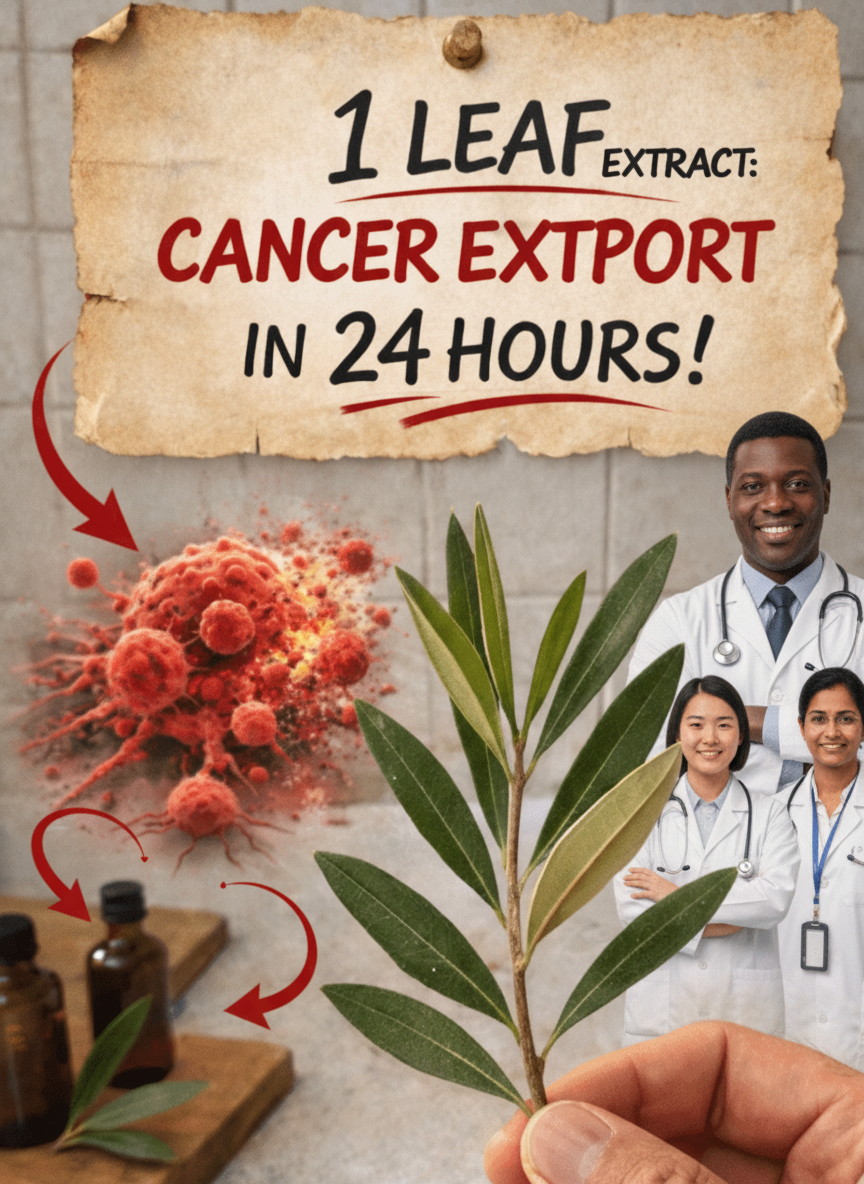
Dispelling Myths: The Reality of Herbal “Cancer Cures”
The digital realm is rife with health myths concerning “miracle” plants and their purported abilities to cure serious diseases. Specific claims frequently highlight plants like Kalanchoe, soursop, or various other herbal preparations, asserting their capacity to rapidly eradicate tumors. Nevertheless, leading medical and health organizations unequivocally state that there is a complete absence of scientific proof demonstrating that any single plant or herbal concoction can independently cure cancer. Medical professionals consistently underscore that while certain natural products might offer symptomatic relief or contribute to general well-being, they are unequivocally not a substitute for established, evidence-based medical interventions such as surgery, chemotherapy, radiation therapy, or immunotherapy.
The Legitimate Scientific Pursuit of Plant-Based Cancer Solutions
Despite the pervasive nature of misleading “miracle cure” narratives, the genuine scientific fascination with medicinal plants remains robust and well-founded. Plants are prolific producers of thousands of diverse biologically active molecules, many of which possess the ability to influence human cellular functions. Researchers meticulously investigate these compounds for their potential to:
- Inhibit Tumor Proliferation: Slowing down the uncontrolled growth of cancer cells.
- Induce Apoptosis: Initiating programmed cell death in malignant cells.
- Mitigate Cancer-Related Inflammation: Reducing inflammatory responses often associated with tumor progression.
- Potentiate Existing Therapies: Enhancing the efficacy of conventional cancer drugs.
For example, scientists are actively exploring plant-derived compounds that specifically target cellular pathways crucial for tumor development and survival. While this pioneering research holds immense promise for uncovering novel cancer treatments in the years to come, it necessitates extensive and rigorous testing to guarantee both their safety and their therapeutic effectiveness.
The Perilous Impact of Misleading Health Claims
A significant and often overlooked danger associated with viral “natural cure” narratives is their capacity to instill false hope in vulnerable patients. When individuals are led to believe that a readily available herbal remedy can swiftly eliminate cancer, they may tragically choose to postpone or altogether forgo proven, conventional medical treatments. Throughout history, various controversial proponents of alternative health have propagated unsubstantiated claims regarding miraculous disease cures, leading to devastating consequences for those who trusted them. Relying on unverified information can have severe, life-threatening repercussions, underscoring the critical importance of seeking medical advice from qualified healthcare professionals and adhering to evidence-based treatment plans.
”
}
“`