 By admin
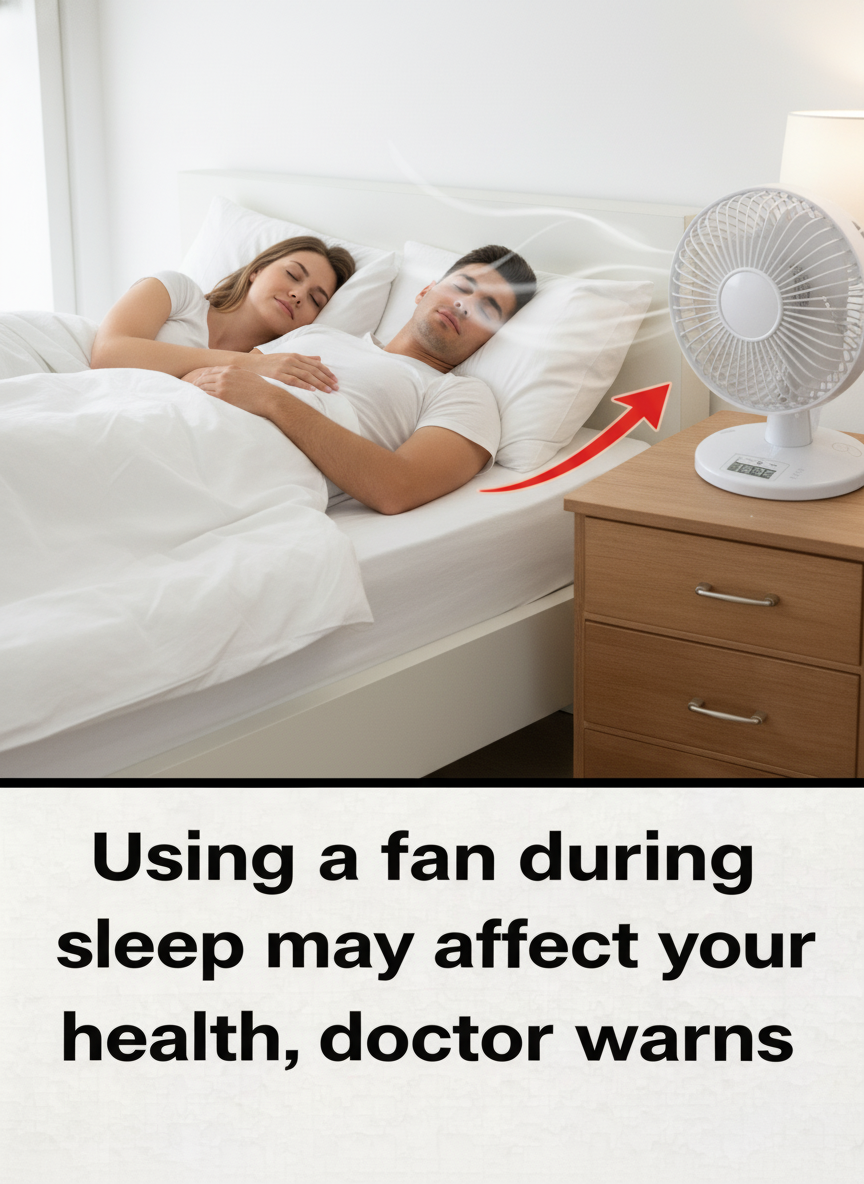
 For countless individuals worldwide, falling asleep with a fan whirring through the night is a cherished ritual. The soothing hum and circulating air often provide a welcome escape from the heat, lulling many into slumber. Yet, while seemingly innocuous, this common practice, if not managed correctly, could potentially lead to unforeseen health implications. This comprehensive guide will delve into the true impact of sleeping with a fan, revealing potential health concerns and offering practical advice to maintain a comfortable, cool, and healthy sleep environment.
The Allure of Nighttime Fans: Why We Rely on Them
The widespread adoption of fans for nighttime use stems from several compelling and immediate advantages they offer:
- Temperature Regulation: Fans effectively lower body and ambient room temperature, providing relief during warm nights.
- Soothing Ambience: For many, the consistent, gentle “white noise” generated by a fan acts as a natural sleep aid, masking disruptive sounds and promoting quicker slumber.
- Enhanced Air Circulation: They prevent stuffiness by ensuring continuous air movement within the bedroom.
Optimal airflow and proper ventilation are crucial for superior sleep comfort, as stagnant or excessively hot air can significantly diminish sleep quality. While fans excel at temperature management, the continuous stream of air can also introduce subtle problems that often go unnoticed initially.
Beyond the Breeze: 5 Potential Health Drawbacks of Consistent Fan Use
1. Dehydration of Skin, Eyes, and Mucous Membranes
Persistent exposure to a fan’s airflow throughout the night is a primary culprit behind dryness. The constant current strips moisture from the skin and delicate mucous membranes. Medical professionals highlight that this circulating air can lead to dry mouth, parched skin, and irritated eyes, often resulting in discomfort upon waking. Common symptoms include:
- Dry or gritty eyes
- A persistent scratchy sensation in the throat
- Chapped or cracked lips
- Tightness or irritation of the skin
Individuals with pre-existing conditions like dry eye syndrome or heightened skin sensitivity may experience these drying effects more acutely.
2. Aggravated Allergies and Sinus Issues
Beyond simply cooling the air, fans are highly effective at dispersing airborne particles such as dust, pollen, and pet dander throughout your sleeping environment. Consequently, your fan might be inadvertently directing a continuous stream of allergens straight towards you as you rest. Research and health professionals confirm that fans can exacerbate allergy symptoms by actively stirring up these microscopic irritants. Potential indicators include:
- Frequent sneezing fits
- A persistent runny nose
- Nasal congestion
- Itchy or watery eyes
- Unexplained coughing at night
For those susceptible to asthma or severe allergic reactions, this heightened irritation can disrupt sleep patterns and intensify respiratory difficulties.
3. Sinus Discomfort and Excessive Mucus Production
The dry conditions created by continuous airflow can significantly irritate the delicate lining of your nasal passages. In response to this dryness, your body often initiates a compensatory mechanism, increasing mucus production to rehydrate and protect these membranes. This physiological reaction can manifest as various symptoms, including headaches, a blocked or stuffy nose, or a sore throat. Consequently, you might wake up with sensations akin to a budding cold, despite the fan not being the direct cause of an infection.
4. Muscle Aches, Stiffness, and Joint Pain
Direct and sustained airflow aimed at your body during sleep can have an adverse impact on your musculature. The prolonged exposure of specific areas to cool air can cause muscles to involuntarily tighten or contract over several hours, leading to:
- A stiff or painful neck
- Discomfort in the shoulders
- Increased tension in the back
These symptoms are particularly prevalent when the fan’s breeze is directly focused on the upper body or other specific regions.
5. Interrupted Sleep Quality for Sensitive Individuals
Although many find the consistent “white noise” from a fan conducive to sleep, others may perceive it as an unwelcome distraction. Unpredictable noises, subtle vibrations, or even minor rattling sounds from the fan can easily awaken sensitive sleepers, thereby disrupting crucial deep sleep cycles. Chronically compromised sleep quality can ultimately contribute to:
- Persistent fatigue
- Impaired concentration and focus
- A noticeable reduction in daytime energy levels
The Verdict: Is Sleeping with a Fan Truly Harmful?
Generally speaking, the reassuring news is that for the majority of individuals, sleeping with a fan is not considered inherently dangerous. Nevertheless, health professionals caution that improper usage of a fan can indeed exacerbate pre-existing conditions or amplify certain discomforts. For instance, those prone to allergies, asthma, or who possess sensitive skin might observe more pronounced adverse reactions stemming from continuous exposure to circulating air.
Smart Fan Usage: Maximizing Comfort, Minimizing Risks
If the refreshing breeze of a fan is essential to your nightly comfort, there’s no need to abandon it entirely. Instead, consider adopting these thoughtful strategies to enjoy its benefits safely:
- Indirect Airflow is Key: Rather than directing the fan’s stream straight onto your face or chest, position it to circulate air throughout the room. This creates a gentle, ambient cooling effect.
- Regular Fan Maintenance: Dust and dander accumulate quickly on fan blades. Frequent cleaning is vital to prevent these allergens from being dispersed throughout your bedroom.
- Leverage Timers: Utilize your fan’s timer function to ensure it switches off automatically after you’ve drifted off to sleep, thereby limiting prolonged overnight exposure.
- Combat Dryness with Humidification: Introduce a humidifier into your bedroom to counteract the drying effects of constant airflow, helping to maintain optimal air moisture levels.
- Prioritize Natural Ventilation: Supplement fan use with good natural ventilation. Opening windows or ensuring proper air exchange can prevent stuffiness without relying solely on intense, direct fan airflow.
The Bottom Line
In conclusion, sleeping with a fan is a deeply ingrained habit for millions, offering a straightforward path to comfort and relief from heat. While its ability to keep you cool and aid relaxation is undeniable, it’s crucial to acknowledge that continuous airflow can inadvertently contribute to issues such as dryness, exacerbated allergies, sinus irritation, and even muscle stiffness. By understanding these potential impacts and implementing the recommended adjustments, you can continue to enjoy the benefits of your fan without compromising your health and well-being. A mindful approach to nighttime cooling ensures a restful, healthy sleep environment.