 By admin
 Microbial biofilms represent complex communities of microorganisms that adhere to surfaces and encase themselves within a protective, slimy matrix. This shield significantly impedes the efficacy of antibiotics and the body’s natural immune responses, making them notoriously difficult to eradicate. These resilient structures are major contributors to chronic infections and exacerbate the global challenge of antimicrobial resistance. Many individuals grapple with recurrent health issues directly linked to these robust microbial communities, ranging from stubborn chronic wounds to persistent oral health problems, often leading to frustration due to limited treatment options. However, promising laboratory research is now delving into natural compounds, including cinnamaldehyde – a key component found in cinnamon – for their potential to disrupt the formation and structural integrity of these biofilms. Could a common kitchen spice truly hold the secret to dismantling this formidable protective layer? Continue reading to explore what scientific studies are revealing about cinnamaldehyde’s intriguing role.
Understanding Biofilms and Their Critical Impact
Biofilms function much like impenetrable fortresses for bacteria and fungi. Pathogenic microbes such as Staphylococcus aureus (including dangerous MRSA strains), Pseudomonas aeruginosa, Escherichia coli, and various Candida species construct these complex structures on diverse surfaces, both within and outside the human body. This protective barrier drastically diminishes the effectiveness of conventional medical treatments and enables pathogens to endure for extended periods. Extensive research consistently underscores how biofilms are pivotal in the development and persistence of numerous infections that are notoriously difficult to clear.
The Potency of Cinnamaldehyde: Cinnamon’s Primary Bioactive Component
Cinnamaldehyde stands as the principal active constituent within cinnamon essential oil, particularly derived from Cinnamomum species like Cassia and Ceylon cinnamon. Beyond imparting cinnamon its characteristic aroma, cinnamaldehyde has garnered considerable interest in laboratory investigations for its diverse effects on microbes. Studies indicate that cinnamaldehyde may intervene at multiple stages of biofilm development, offering a novel approach to microbial control, though it’s important to note that this research does not claim to directly cure or eliminate infections.
How Cinnamaldehyde May Impede Biofilm Formation
Laboratory findings suggest that cinnamaldehyde possesses the capacity to inhibit the nascent stages of biofilm construction. It appears to reduce the initial adherence of microbes to surfaces, restrict their motility (movement), and interfere with quorum sensing – a sophisticated communication system that bacteria utilize to coordinate and orchestrate biofilm creation. For instance:
- In studies involving Pseudomonas aeruginosa, cinnamaldehyde has been observed to downregulate genes associated with quorum sensing and to reduce levels of cyclic di-GMP, a crucial signaling molecule essential for biofilm maturation.
This disruption ultimately compromises the structural integrity of the developing biofilm by limiting the production of extracellular polymeric substances – the sticky matrix often referred to as the “glue” that holds biofilms together. But its potential doesn’t stop at prevention; it may also impact already established biofilms.
Dismantling Mature Biofilms: Insights from Lab Studies
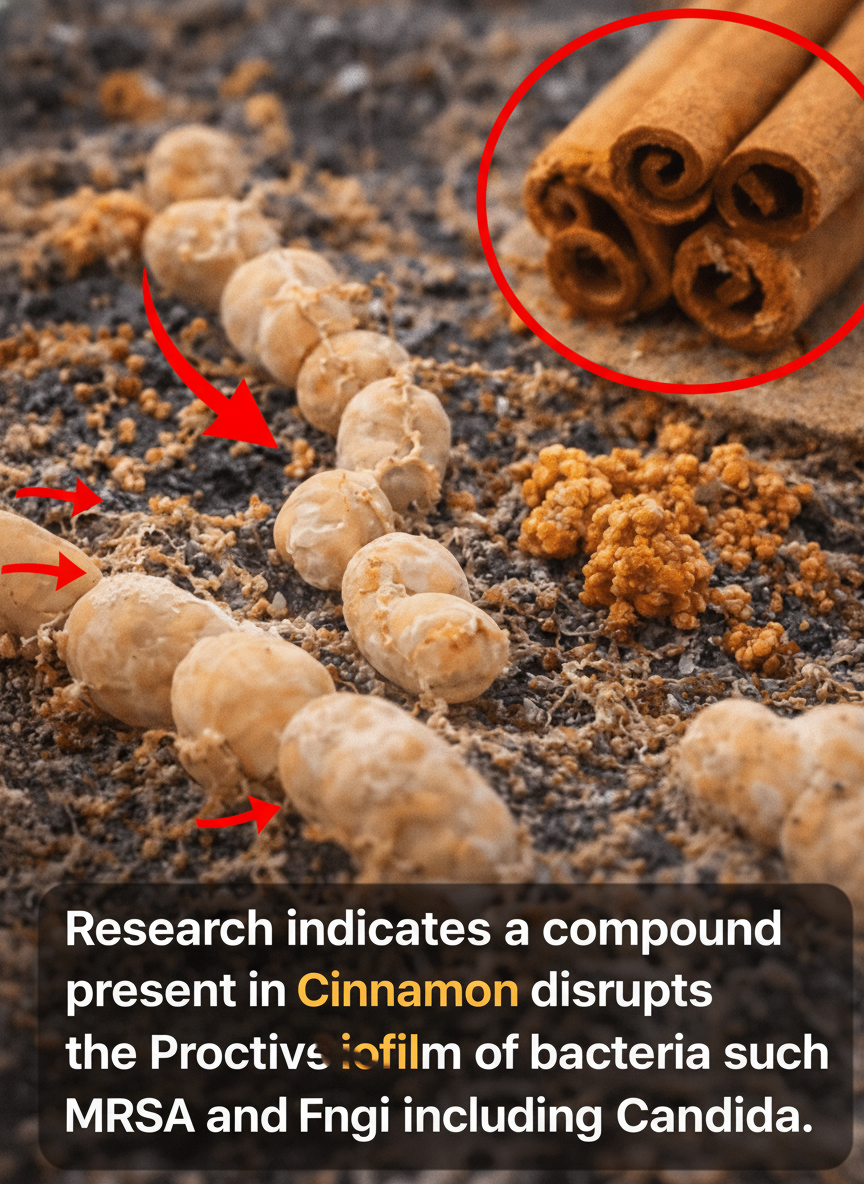
Once biofilms have fully formed, cinnamaldehyde has demonstrated the potential to compromise their established defenses. Research indicates its ability to heighten cell membrane permeability, inflict damage upon cell walls, and induce the leakage of vital intracellular contents. This broad-spectrum activity has been observed against a variety of pathogens in controlled test-tube environments (in vitro), including:
- Methicillin-resistant Staphylococcus aureus (MRSA)
- Escherichia coli
- Enterococcus faecalis
- Candida species
- Oral bacteria like Streptococcus mutans
These findings stem from experiments where exposure to cinnamaldehyde led to a measurable reduction in both biofilm biomass and microbial viability. Here’s a closer look at some specific pathogens investigated:
- MRSA: Multiple studies report a concentration-dependent inhibition of biofilm formation and a significant reduction in cell viability.
- Candida species: Cinnamaldehyde exhibits effects on fungal biofilms, including interference with hyphal growth and adhesion mechanisms.
- Pseudomonas aeruginosa: Disruption of swarming motility and preformed biofilms has been consistently observed.
These compelling laboratory results underscore cinnamaldehyde’s wide-ranging potential within controlled experimental settings.
Exploring Synergistic Approaches and Advanced Delivery Systems
An particularly exciting avenue of current research involves investigating the combined use of cinnamaldehyde with conventional antibiotics. Several studies have noted synergistic effects, where this combination significantly enhances activity against biofilms compared to either agent alone. Furthermore, advanced delivery methods are actively being explored to optimize cinnamaldehyde’s therapeutic potential:
- Nanoemulsions
- Liposomes
- Nanoparticles
These innovative systems aim to improve cinnamaldehyde’s solubility and stability, as it can be volatile and poorly soluble in water. Such advancements could render it more practical for future clinical applications, although considerable research and development remain necessary.
Mindful Ways to Incorporate Cinnamon into Your Lifestyle
While the laboratory research on cinnamaldehyde is highly promising, it is crucial to remember that cinnamon is not a substitute for professional medical advice or prescribed treatments. However, you can mindfully incorporate cinnamon into your daily life safely through these simple steps:
- Choose quality sources: Opt for Ceylon cinnamon (often referred to as “true cinnamon”) over Cassia cinnamon, especially for regular consumption, due to Ceylon’s significantly lower coumarin content. Coumarin can be a concern for liver health in large quantities.
- Add to daily meals or beverages: Sprinkle cinnamon on oatmeal, yogurt, fruit, or add it to your coffee or tea for flavor and potential benefits.