 By admin
 For many adults, particularly as they age, certain physical experiences become frustratingly common. Perhaps it’s a sudden, unexpected muscle cramp reaching for an item, or a persistent ache in your back that forces you to slow down. While it’s easy to dismiss these moments as merely ‘getting older,’ your body might actually be sending a more crucial message – a quiet plea for essential support. Subtle indicators such as unexplained fatigue, brittle nails, or unusual tingling sensations can often serve as early warnings that vital nutrients are in short supply. By the conclusion of this article, you’ll gain insight into straightforward daily habits that could offer more effective support for your bones and muscles than you might currently imagine.
The Indispensable Role of Calcium, Especially with Age
Calcium stands as a cornerstone mineral, absolutely vital for human health. A remarkable 99% of this mineral is dedicated to building and maintaining the robust structure of our bones and teeth. However, its importance extends far beyond skeletal strength. The critical 1% that isn’t stored in our bones performs a myriad of essential daily functions, including:
- Facilitating seamless muscle movement
- Transmitting crucial nerve signals
- Aiding in proper blood clotting
- Regulating a steady heart rhythm
With advancing age, our body’s ability to efficiently absorb calcium often diminishes. Factors like natural hormonal shifts, certain medications, and evolving lifestyle choices can incrementally lead to a reduction in bone mineral density. Studies highlighted in leading nutrition and aging publications indicate that older adults face an elevated risk of progressive mineral depletion, which can significantly impact their mobility and overall physical well-being. This gradual decline often manifests as those subtle warning signs many individuals tend to overlook – signals your body sends long before more serious issues emerge.
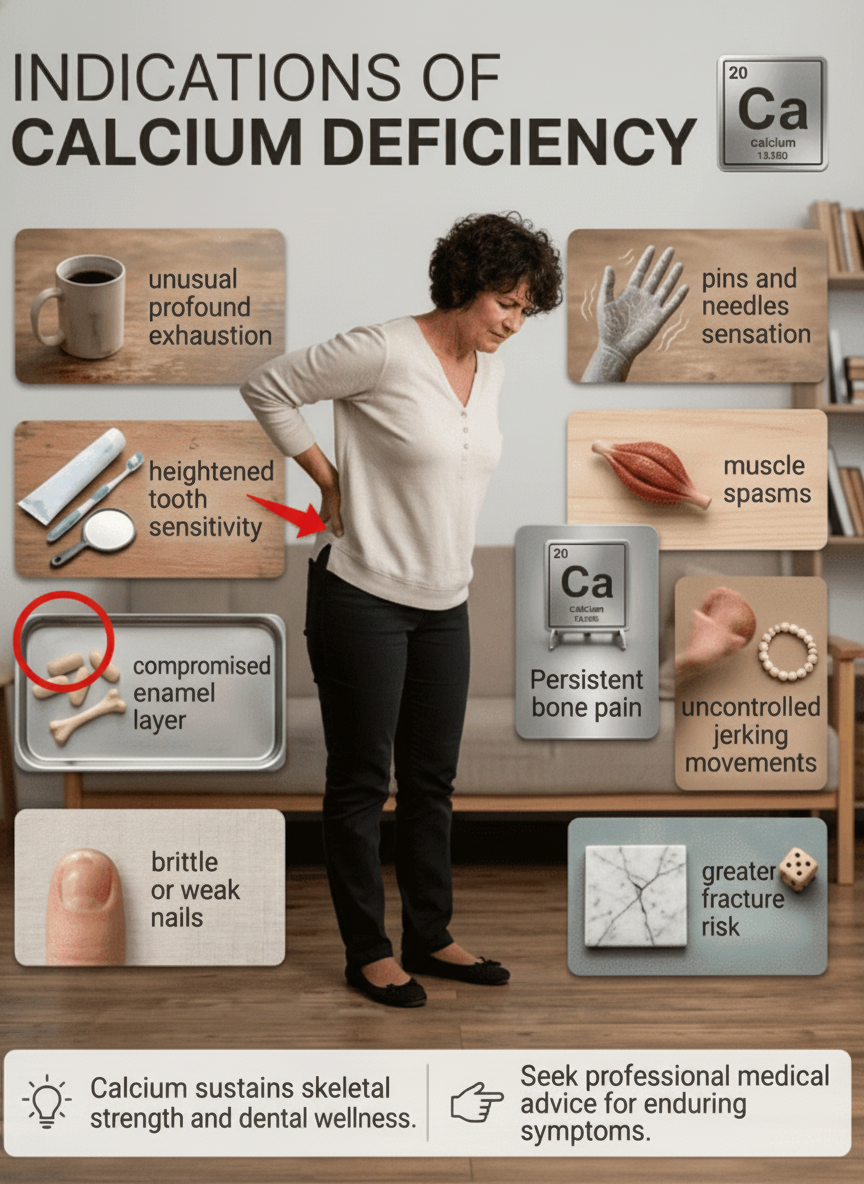
8 Subtle Indicators That Could Signal Insufficient Calcium Levels
A calcium imbalance is seldom an abrupt occurrence; instead, it typically emerges gradually through a series of inconspicuous symptoms. Here are eight common signs that individuals might observe:
1. Persistent Fatigue
While occasional tiredness is a universal experience, an unusual or unexplained feeling of exhaustion can arise when your muscles and nerves aren’t receiving the calcium necessary to function optimally. Many describe this as a pervasive lack of energy, even after sufficient rest.
2. Muscle Cramps or Spasms
Calcium is fundamental for proper muscle contraction and relaxation. Insufficient levels can manifest as:
- Frequent leg cramps, particularly at night
- Involuntary muscle twitching
- Sudden, localized spasms, often in the calves, thighs, or feet
3. Tingling in Hands or Feet
A sensation of ‘pins and needles’ or mild numbness in the extremities can sometimes indicate disrupted nerve signaling. As calcium plays a vital role in regulating nerve transmission, lower levels can trigger these unusual sensations.
4. Persistent Bone Discomfort
Our bones are in a constant state of renewal. Without an adequate supply of essential minerals like calcium, their structural integrity can gradually diminish. This might lead to dull, persistent aches, particularly in areas like the hips, spine, or legs.
5. Increased Dental Sensitivity
Calcium is crucial for maintaining strong tooth enamel. A long-term deficiency can contribute to:
- Heightened tooth sensitivity
- Noticeably weakened enamel
- General dental discomfort
6. Brittle Nails
When the body faces a shortage of vital minerals, it prioritizes essential physiological systems. Consequently, less critical areas like nails may suffer, becoming:
- Thin and fragile
- Prone to brittleness
- Easily cracked or chipped
7. Weak Tooth Enamel
The condition of your teeth often provides a window into your overall bone health. Dental professionals frequently note changes in enamel quality among individuals experiencing chronic nutrient imbalances.
8. Easier Bone Fractures
Over time, a significant reduction in bone mineral density dramatically increases susceptibility to fractures, even from minor impacts. This underscores why proactive bone health awareness becomes especially critical for those over the age of 50.
It’s important to remember that experiencing these symptoms doesn’t automatically confirm a calcium deficiency. A holistic view of your lifestyle and health is essential for an accurate assessment.
Understanding Why Many Adults Over 50 May Face Calcium Shortages
Despite common assumptions, many individuals believe their regular diet sufficiently covers their calcium needs. However, a range of factors can subtly impair both calcium intake and its absorption, particularly as we mature. Here are some prevalent reasons:
- Decreased Appetite with Age: As people get older, a natural reduction in appetite often leads to consuming smaller quantities of food overall. This directly translates to fewer opportunities to obtain essential nutrients, including calcium.
- Insufficient Vitamin D: Vitamin D is absolutely critical for the body’s efficient absorption of calcium. Limited exposure to sunlight, a primary source of Vitamin D, or inadequate dietary intake can severely hinder the body’s ability to utilize calcium effectively.
- Digestive System Changes: The efficiency of our digestive processes can naturally diminish with age. This decline can directly impact the absorption of vital minerals like calcium from the foods we consume.
- Impact of Certain Medications: Various prescription drugs have the potential to interfere with the body’s delicate mineral balance. It is always prudent to engage in an open discussion with a healthcare professional regarding any long-term medications and their potential effects on nutrient levels.
To maintain optimal calcium levels, it’s not just about what you eat, but a synergy of daily practices. Factors that actively support healthy calcium balance include consuming calcium-rich foods like dairy, leafy greens, and fortified products; maintaining an active lifestyle with adequate sunlight exposure; and ensuring sufficient intake of complementary nutrients like Vitamin D and magnesium through balanced meals. Conversely, a diet high in processed foods, a sedentary lifestyle, generally low nutrient intake, and habits like skipping meals can significantly diminish calcium availability and absorption. The crucial insight here is straightforward: achieving and maintaining healthy calcium levels is a multifaceted endeavor, relying on a combination of consistent daily habits rather than a singular food source or action.