 By admin
 Beyond Botox: Unlocking Radiant Skin with Peptides for Holistic Anti-Aging Support
As we age, the appearance of fine lines, reduced firmness, and increased dryness often becomes a concern. For many, the perception is that invasive quick fixes, such as cosmetic injections, are the primary solution. While conventional methods frequently address visible muscle movements on the surface, they may not always provide the comprehensive, deeper support essential for the skin’s inherent repair and regeneration processes. The exciting news is that cutting-edge research increasingly points to peptides – short chains of amino acids – as a highly effective, complementary strategy. These powerful molecules work to stimulate the skin’s natural collagen production and enhance overall skin quality from within. Imagine a more gentle, holistic approach that harmonizes with your skin’s own restorative capabilities. Continue reading to discover practical, everyday steps you can implement immediately to bolster your skin’s health.
Why Skin Changes Over Time—and Why It Matters
The natural aging process inevitably leads to a decline in our skin’s production of vital proteins: collagen and elastin. These structural components are crucial for maintaining skin’s plumpness, elasticity, and hydration. Furthermore, external aggressors like prolonged sun exposure and chronic stress accelerate this natural depletion, manifesting as noticeable signs of aging that many individuals find distressing. Scientific studies indicate that after our twenties, collagen levels can decrease by approximately 1-1.5% annually, resulting in skin that appears thinner and less resilient. This progressive transformation extends beyond mere aesthetics, impacting our daily comfort and self-assurance. By grasping the underlying science of effective skin support, we can make more informed and empowering choices for our complexion.
How Peptides Differ from Traditional Options Like Botox
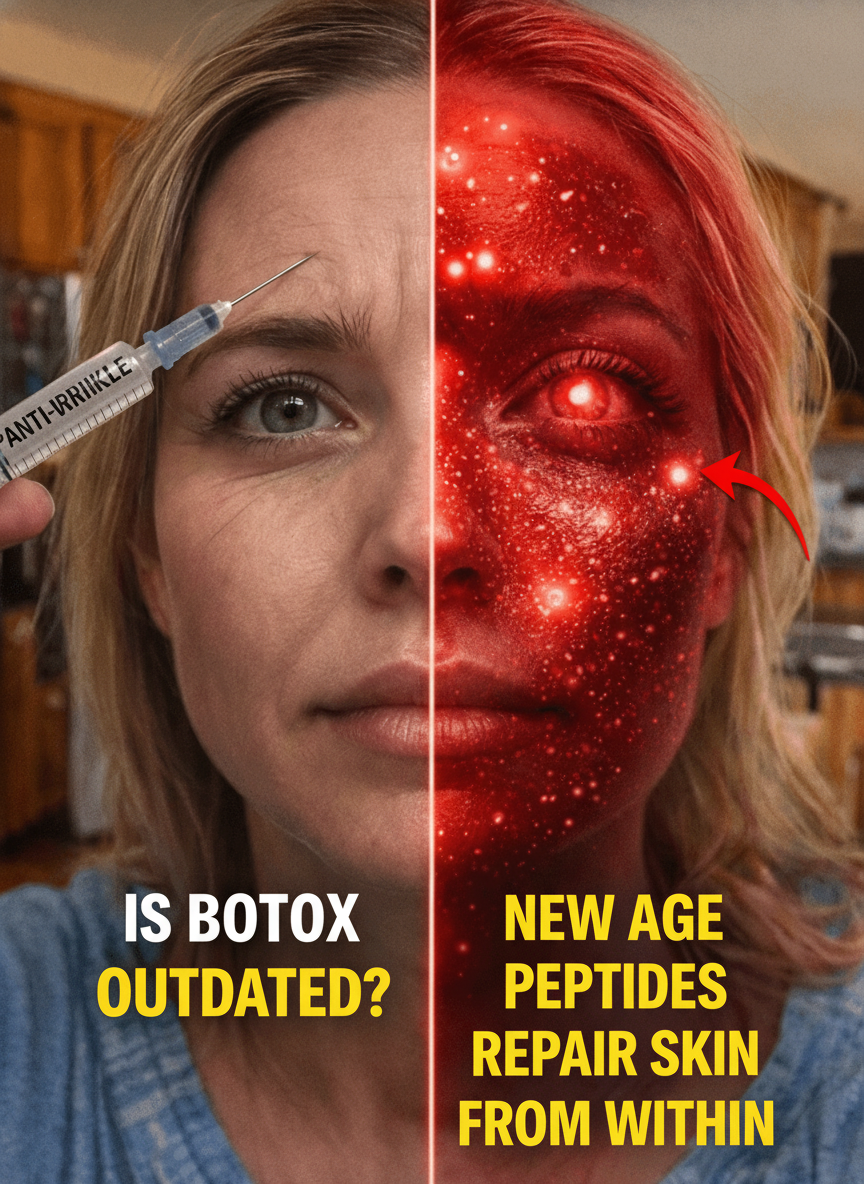
While Botox achieves its effects by temporarily relaxing specific facial muscles to diminish expression lines, providing quick yet transient improvements, peptides operate through an entirely distinct mechanism. Peptides function as crucial signaling molecules, instructing fibroblasts – the cells primarily responsible for synthesizing collagen – to boost their output of essential structural proteins. Extensive research, encompassing systematic reviews and randomized controlled trials, has investigated how specific peptides, particularly orally administered collagen peptides, can significantly enhance skin hydration, elasticity, and visibly reduce fine lines with consistent application. For instance, studies focusing on highly bioavailable, low-molecular-weight collagen peptides have demonstrated favorable alterations in key skin parameters following several weeks of daily ingestion.
Key Differentiators at a Glance:
- Mechanism of Action: Peptides activate and signal the skin’s inherent biological processes, whereas Botox directly blocks nerve signals to specific muscles.
- Application Method: Peptides work either internally (via oral supplements) or externally (through topical skincare products); Botox is administered via injection.
- Results Timeline: Benefits from peptides typically manifest gradually with sustained use, focusing on long-term improvement, while Botox offers rapid but temporary cosmetic changes.
- Primary Focus: Peptides prioritize enhancing overall skin health, quality, and supporting regenerative functions.
But the discussion doesn’t end there—let’s delve deeper into the scientific evidence.
What Science Says About Peptides and Skin Support
Numerous systematic reviews and rigorously designed clinical trials have extensively investigated various peptides, particularly hydrolyzed collagen peptides, which are broken down into highly absorbable forms. These comprehensive studies consistently highlight notable, albeit sometimes modest, advantages:
- Significant improvements in skin hydration and elasticity observed in participants consuming oral collagen peptides daily over an 8-12 week period.
- Objectively measured reductions in visible wrinkle parameters, including both depth and volume.
- Demonstrable enhancement of dermal density and the skin’s capacity for moisture retention.
For example, research specifically on bioactive collagen peptides has established a clear correlation with improved fibroblast activity and robust support for the extracellular matrix. Furthermore, topical peptides, such as signal peptides (e.g., those designed to mimic natural biological sequences), can locally contribute to boosted collagen synthesis. It is crucial to acknowledge that individual outcomes can differ based on factors like specific formulation, dosage, and adherence to a consistent regimen. Not all peptides offer the same efficacy; low-molecular-weight forms generally exhibit superior absorption and more pronounced effects in clinical settings. While the findings are highly encouraging, ongoing large-scale research continues to refine and deepen our understanding of these potent compounds.
Common Types of Peptides Used for Skin Health
To better understand their diverse applications, here are some of the most commonly researched categories of peptides utilized for promoting skin health:
- Collagen Peptides (Oral): Sourced typically from bovine or marine collagen, these ingestible peptides supply essential amino acids—like glycine, proline, and hydroxyproline—which are fundamental building blocks for the body’s natural collagen synthesis.
- Signal Peptides (Topical): A prime example is Matrixyl (palmitoyl pentapeptide-4), which functions by signaling the skin to amplify its production of both collagen and elastin, crucial for firmness and elasticity.
- Carrier Peptides: Copper peptides are a well-known type, designed to transport vital trace elements, such as copper, into the skin to facilitate enzymatic reactions critical for wound healing and repair.
- Neurotransmitter-Inhibiting Peptides: Peptides like Argireline (acetyl hexapeptide-8) offer a gentle, non-invasive approach to subtly reduce the appearance of expression lines by mimicking the effects of Botox on muscle contractions, though with a much milder action.
Integrating these specialized peptides into your daily regimen can significantly enhance and complement your existing skincare practices.
Actionable Tips: How to Support Your Skin with Peptides
Ready to integrate peptides into your skincare journey? Here are actionable tips to effectively support your skin health:
- Consult a Dermatologist: Before introducing new supplements or potent topical treatments, seek advice from a skincare professional to determine the best peptide types and formulations for your specific skin concerns and goals.
- Choose Quality Products: Opt for reputable brands that provide transparency about their peptide ingredients, concentrations, and research backing. Look for terms like ‘hydrolyzed collagen’ for oral supplements and specific peptide names (e.g., Matrixyl, Argireline) for topical products.
- Consistency is Key: Peptides work by signaling natural processes, which take time. Consistent daily use, as directed, is essential to observe noticeable and sustained improvements in skin hydration, elasticity, and texture.
- Combine with a Holistic Routine: Peptides are powerful allies, but they perform best when part of a comprehensive skincare regimen that includes daily SPF protection, adequate hydration, a balanced diet rich in antioxidants, and sufficient sleep.
- Start Gradually: If you have sensitive skin, introduce new peptide products slowly to monitor for any reactions.
By thoughtfully incorporating peptides, you can actively foster your skin’s natural ability to repair and rejuvenate, leading to a healthier, more radiant complexion over time.