 By admin
 Navigating Protein for Kidney Health: 4 Beneficial Choices and 6 to Limit
For individuals prioritizing kidney health, making informed dietary choices is paramount, particularly concerning protein intake. While protein is a fundamental nutrient vital for numerous bodily functions, certain sources can inadvertently burden compromised kidneys. Strategic selection of protein sources can significantly impact kidney function maintenance and overall nutritional well-being. This comprehensive guide explores four kidney-friendly proteins to incorporate into your diet and six types to consume sparingly, alongside actionable advice for meal planning.
Why Protein Choice Matters for Kidney Health
Proteins are indispensable macromolecules, playing critical roles in muscle development, immune defense, and cellular repair throughout the body. Nevertheless, the metabolic breakdown of proteins generates waste compounds, notably urea, which healthy kidneys are designed to efficiently filter and excrete. In cases of kidney disease or impaired kidney function, this filtration process becomes less efficient, necessitating careful management of protein consumption. The National Kidney Foundation emphasizes the importance of favoring high-quality proteins and diligently tracking levels of phosphorus and potassium to alleviate the metabolic burden on the kidneys. This proactive approach supports nutritional balance and helps mitigate additional kidney strain.
🥚 4 Beneficial Proteins for Kidney Health
1. Egg Whites
Renowned as a premier protein source for kidney health, egg whites deliver a robust profile of essential amino acids while being notably low in phosphorus. This makes them an outstanding inclusion in any kidney-conscious diet.
Simple Idea: Incorporate egg whites into vibrant vegetable omelets or gently scramble them with fresh herbs for a nutritious and kidney-friendly meal.
2. Low-Phosphorus Tofu
Tofu stands out as an excellent plant-based protein option, particularly varieties with reduced phosphorus content compared to certain other soy derivatives. It supplies high-quality protein and integrates seamlessly into diverse kidney-friendly meal preparations.
Simple Idea: Lightly sauté tofu cubes with aromatic garlic, fresh ginger, and an assortment of colorful vegetables for a wholesome and satisfying dish.
3. White Fish
White fish, including popular varieties like tilapia, cod, and flounder, are prized for their abundant high-quality protein and relatively moderate mineral levels. This makes them a highly suitable choice for supporting kidney health. They are also known for their digestibility and culinary adaptability.
Simple Idea: Prepare baked white fish with a squeeze of fresh lemon, a sprinkle of fragrant herbs, and a vibrant side of steamed vegetables for a perfectly balanced and kidney-friendly dinner.
4. Skinless Chicken Breast
When prepared without the skin and with judicious seasoning, chicken breast offers a superb source of lean protein. Its versatility allows it to be a staple in a multitude of kidney-conscious meal plans.
Simple Idea: Opt to grill or bake skinless chicken breast, serving it alongside a refreshing light salad or a medley of roasted vegetables for a complete meal.
🚫 6 Protein Sources to Limit for Kidney Health
1. High-Phosphorus Soy Products
Although soy is a widely consumed plant-based protein, specific soy products, such as many types of soy milk and highly processed tofu, can be surprisingly rich in phosphorus, particularly when they contain various additives. These items are best enjoyed in strict moderation.
2. Processed Meats
Processed meats, encompassing items like sausages, deli slices, and bacon, are frequently laden with phosphate additives and excessive sodium. These ingredients significantly elevate the burden on the kidneys and are generally best avoided by individuals managing kidney conditions.
3. Dried Legumes
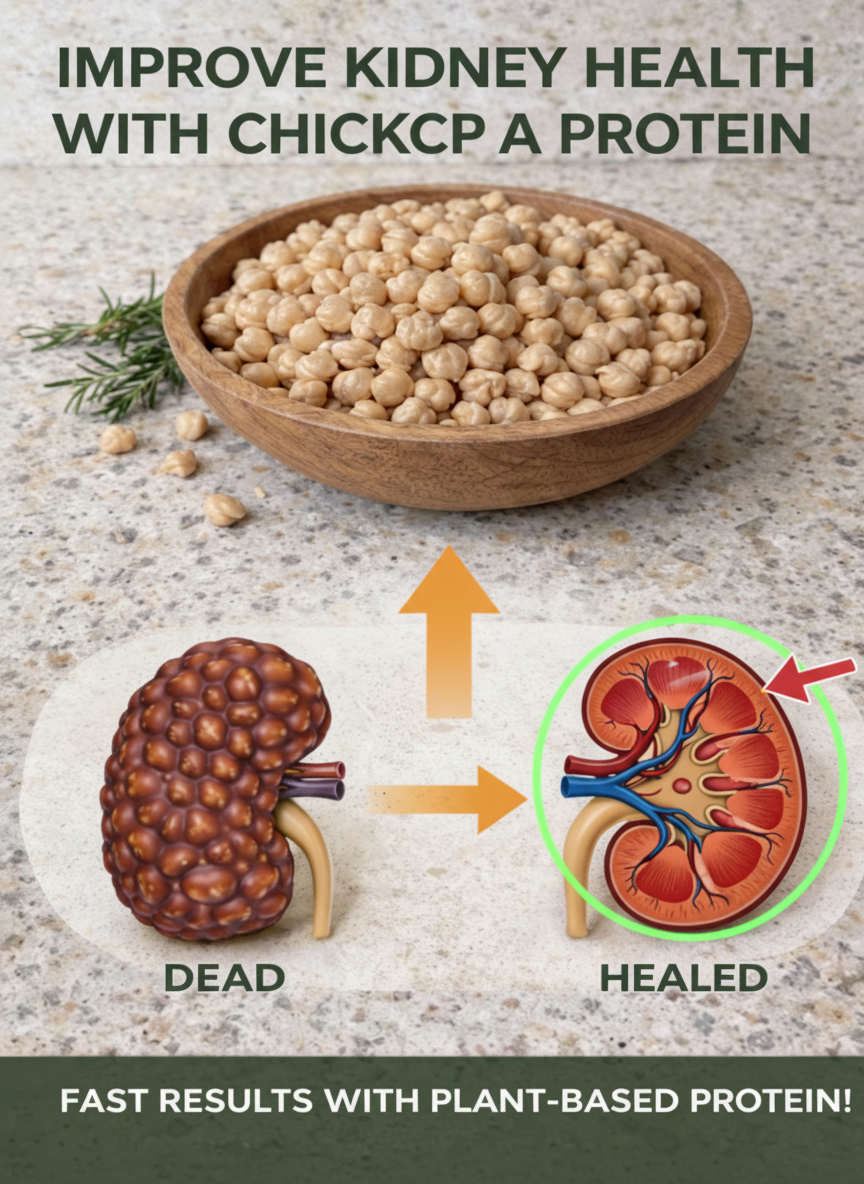
Beans and lentils are undeniably nutritious and provide valuable protein. However, they are also naturally high in both phosphorus and potassium. Individuals with kidney concerns should carefully monitor portion sizes and consider preparation methods that might reduce mineral content (e.g., soaking and rinsing).
4. Red Meat
Red meat offers a good source of protein and vital nutrients, but it typically presents higher levels of phosphorus, which can be challenging for compromised kidneys to process efficiently. Therefore, consuming red meat in strict moderation is paramount for kidney health.
5. Full-Fat Dairy
Full-fat dairy products, such as whole milk and many aged cheeses, are known for their elevated phosphorus content. For those with kidney disease, it is crucial to diligently track dairy consumption and opt for lower-phosphorus alternatives whenever feasible.
6. Nuts and Seeds
Despite their significant nutritional value, nuts and seeds are also characteristically high in phosphorus. Consequently, consuming large quantities of these foods might not be advisable for individuals managing kidney issues.
📊 Protein Comparison for a Kidney-Conscious Diet
This table offers a quick reference to simplify meal planning and aid in making informed decisions when selecting kidney-friendly proteins.
| Protein Source | Biological Value | Approximate Phosphorus | General Recommendation |
|---|---|---|---|
| Egg Whites | High | Low | Prioritize |
| White Fish | High | Low–Moderate | Include Regularly |
| Skinless Chicken Breast | High | Moderate | Excellent Lean Choice |
| Low-Phosphorus Tofu | Medium-High | Low | Managed Plant-Based Option |
| Red Meat | High | High | Limit Strictly |
| Full-Fat Dairy | High | High | Restrict Significantly |
| Nuts & Seeds | Medium | Very High | Avoid Large Servings |
| Dried Legumes | Medium | High | Consume in Small Portions |
| Processed Meats | Medium | High | Avoid Entirely |
This comparative overview is designed to streamline your dietary choices, helping you to construct meals that are both nourishing and supportive of kidney health.
🥗 Practical Tips for Crafting Kidney-Friendly Meals
1. Consult a Healthcare Professional
Given the diverse nature of kidney conditions, obtaining personalized dietary guidance from a doctor or registered dietitian specializing in renal nutrition is absolutely critical. Self-management without expert advice can be risky.
2. Choose Simple Cooking Methods
Prioritize cooking methods that require minimal added fats, sodium, and heavy seasonings. Grilling, baking, steaming, and boiling are excellent choices that help retain the natural flavors of food while supporting kidney health.
By thoughtfully selecting your protein sources and adhering to these practical guidelines, you can significantly contribute to maintaining optimal kidney function and overall well-being. Remember, proactive dietary management is a cornerstone of effective kidney care.