 By admin
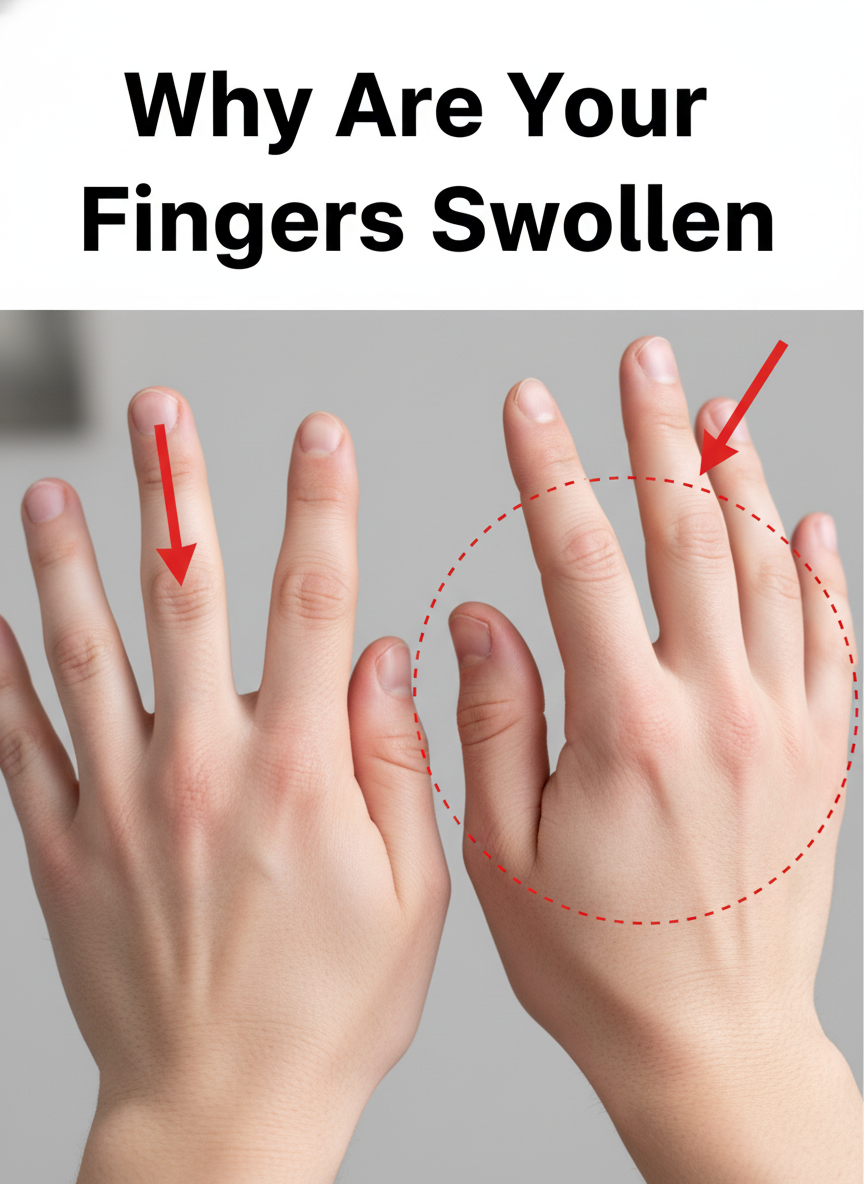
 Have you ever noticed your rings suddenly feeling tight, or your fingers appearing unusually swollen, especially after a long day or upon waking? It’s common to attribute such changes to simple factors like high salt intake, warm weather, or just general fatigue. However, when this puffiness persists in your fingers, feet, or even around your eyes, it could be a subtle yet significant signal that your kidneys are not functioning optimally in their crucial role of fluid and waste filtration. Many individuals overlook these early, often minor, alterations until more pronounced symptoms emerge. Recognizing these indicators promptly can significantly impact your overall well-being and lead to timely intervention.
Your kidneys tirelessly work behind the scenes, diligently removing excess fluids and metabolic waste products from your body every single day. When these vital organs are under duress, fluid can accumulate within tissues, resulting in noticeable swelling, medically termed edema. The challenge often lies in its insidious onset; it frequently begins subtly, making one question whether it warrants medical attention. Yet, comprehending the underlying mechanisms of this fluid retention and adopting straightforward daily habits to support kidney health can empower you to feel more in control of your body.
What Causes Swelling in Your Fingers When Kidneys Are Involved?
Healthy kidneys operate as an intricate natural filtration system, meticulously balancing the levels of fluids, sodium, and essential proteins within your bloodstream. When kidney function is compromised – often due to conditions like chronic kidney disease (CKD) or related ailments – two primary issues can contribute to swelling:
- Fluid and Sodium Retention: Impaired kidneys struggle to efficiently remove excess sodium and water from the body. Consequently, these substances remain and accumulate in the softer tissues. While gravity often draws much of this buildup to the lower extremities (ankles, feet), it can manifest in your hands and fingers as well, particularly after prolonged periods of sitting or lying down.
- Protein Leakage (Low Blood Protein): In certain kidney conditions, the tiny filters within the kidneys (glomeruli) become damaged, allowing vital proteins, such as albumin, to leak into the urine instead of remaining in the blood where they belong. Low levels of protein in the blood reduce its ability to hold fluid within the blood vessels, leading to fluid shifting into surrounding tissues. This type of puffiness is frequently first observed around the eyes in the morning or in the fingers and hands.
Research from reputable organizations, including the National Kidney Foundation, highlights that this fluid retention, or edema, is one of the more common early warning signs that kidneys may require medical evaluation, especially when other risk factors like high blood pressure or diabetes are present. However, understanding the full picture requires considering other potential causes of swelling.
Other Common Reasons for Swollen Fingers (And How Kidney-Related Swelling Differs)
It’s important to remember that swollen fingers aren’t exclusively indicative of kidney problems. Several everyday factors can cause temporary puffiness:
- Dietary Choices: Consuming meals high in sodium can lead to temporary water retention.
- Environmental Factors: Hot weather or spending extended periods standing can cause fluid to pool.
- Hormonal Fluctuations: Changes related to menstrual cycles or pregnancy are common culprits.
- Injuries or Inflammatory Conditions: Localized swelling can result from direct trauma, sprains, or flare-ups of conditions like arthritis.
The crucial distinction with swelling stemming from kidney issues is its persistent nature. Kidney-related edema tends to linger or progressively worsen over time, often affecting both sides of the body symmetrically (e.g., both hands, both feet). Furthermore, it frequently appears alongside other subtle symptoms such as persistent fatigue, changes in urination patterns (e.g., increased frequency, foamy urine), or a general feeling of malaise. If your fingers consistently feel puffy most mornings, or your shoes become uncomfortably snug by evening, it warrants closer attention.
To help differentiate, consider these patterns:
- Temporary Swelling: Typically comes and goes quickly, often improving with rest, elevation, or reduced salt intake.
- Kidney-Related Puffiness: Is persistent, often observed in multiple areas (fingers/hands, feet/ankles, eyes), and may be accompanied by symptoms like foamy urine, decreased urine output, or unusual tiredness.
- Swelling from Heart or Other Organ Issues: Can present similarly but is often accompanied by more severe symptoms such as shortness of breath, chest discomfort, or significant weight gain.
Recognizing these distinct patterns can guide your decision on when to consult with your healthcare provider for an accurate diagnosis and appropriate management.
Everyday Habits That Support Healthy Kidney Function
The encouraging news is that you don’t need to wait for significant health changes to take action. Implementing small, consistent lifestyle adjustments can significantly help your kidneys manage fluids more effectively and potentially alleviate uncomfortable swelling. Here’s a straightforward list of actionable tips you can integrate into your daily routine starting today:
- Mind Your Sodium Intake: Aim to limit your daily sodium consumption to less than 2,300 mg. If swelling is a noticeable concern, striving for closer to 1,500 mg can be beneficial. Always scrutinize food labels, as many packaged items like soups, snacks, and processed meats are often hidden sources of high sodium.
- Hydrate Wisely: Drink water steadily throughout the day rather than consuming large quantities at once. Proper, consistent hydration assists your kidneys in flushing out waste products without overwhelming their filtering capacity.
- Incorporate Regular Movement: Even simple activities, such as light walking or stretching for a few minutes every hour, can significantly improve circulation and help prevent fluid from pooling in your extremities.
- Elevate Swollen Areas: When resting, gently prop your hands or feet up above heart level for 15-20 minutes, a few times a day. This encourages fluid drainage and can reduce puffiness.
- Monitor Your Weight Daily: Keep track of your body weight regularly. A sudden gain of several pounds overnight can be a critical indicator of fluid retention. Daily monitoring helps you spot trends early and report them to your doctor.