 By admin
 That familiar twinge when you bend, or the subtle rounding of your shoulders in the mirror – these aren’t just inevitable signs of aging. For many adults over 50, these could be early indicators that the very foundation of their body, the spine, is gradually losing its inherent strength. While observations about “shrinking” or leaning forward can be unsettling, the empowering truth is that proactive daily choices can significantly bolster spinal health and maintain good posture. We’ll explore these vital habits, including one surprisingly simple routine that often makes the biggest difference.
Why the Spine Becomes More Vulnerable With Age
The spine, our body’s central pillar, does more than just hold us upright. It facilitates fluid movement and encases the vital spinal cord, which connects the brain to the rest of the body. Comprising 33 small bones called vertebrae, cushioned by flexible discs and supported by muscles, a healthy spine maintains its natural alignment. However, as we age, a natural decline in bone density often commences. This gradual weakening of the vertebrae can pave the way for a cascade of issues over time:
- Diminished mobility
- A pronounced curved or forward-leaning posture
- A noticeable reduction in height
- An increased susceptibility to fractures
Scientific studies consistently highlight that bone density typically begins to wane post-50, a process accelerated by insufficient nutrient intake and physical inactivity. Yet, this isn’t a predetermined fate. Empowering lifestyle adjustments, many of which are easy to integrate, can begin today to fortify your spinal structure and promote robust bone strength.
Understanding Osteoporosis and Its Impact on Posture
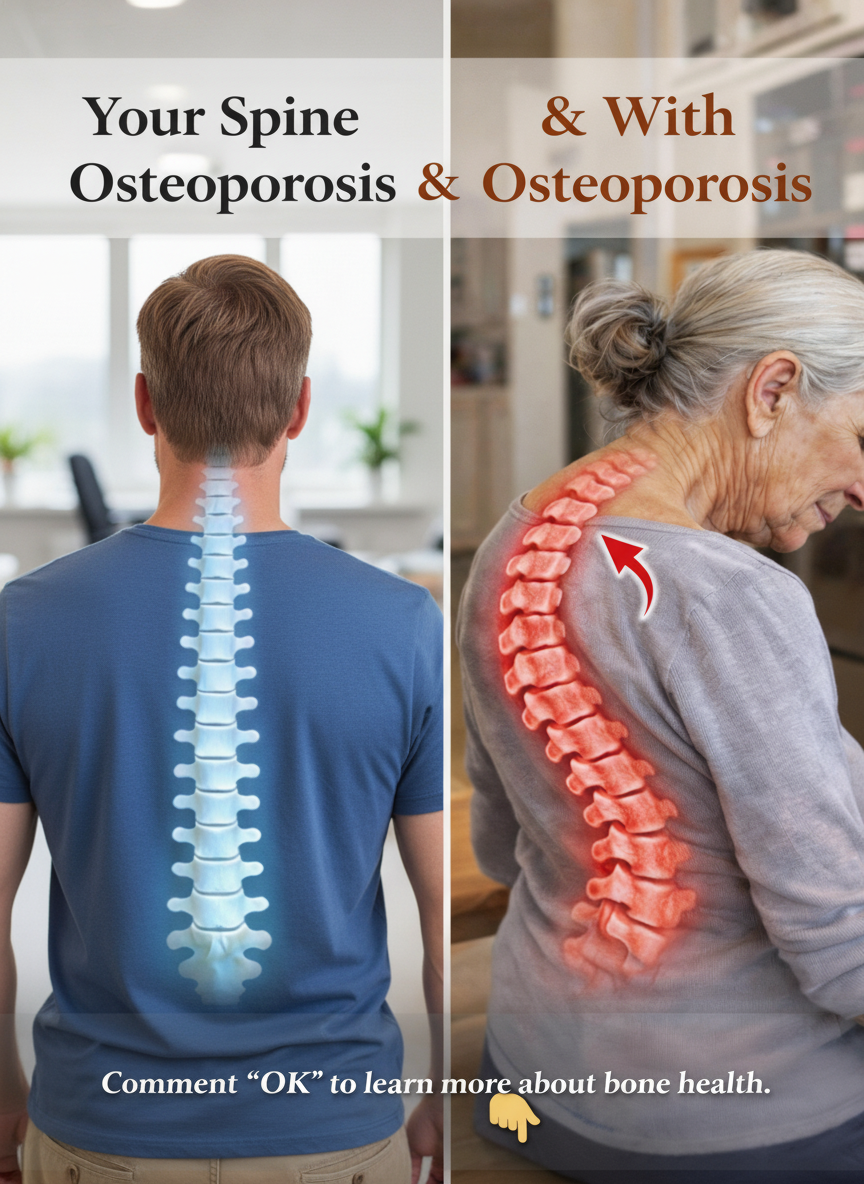
Osteoporosis is a condition characterized by bones becoming progressively less dense and more porous. Instead of a compact, robust internal structure, bones develop microscopic voids, making them fragile and prone to breakage. This “silent disease” often progresses without noticeable symptoms until a sudden fall or fracture reveals the underlying problem. The spine is particularly vulnerable. As vertebrae lose density, they may compress slightly under the body’s weight, leading over time to the distinctive stooped or forward-curved posture frequently observed in older adults.
Let’s visualize the difference:
| Healthy Bone | Lower Density Bone |
|---|---|
| Dense, compact structure | Porous, weakened structure |
| Provides superior spinal support | Higher risk of vertebral compression |
| Helps maintain upright posture | Can lead to gradual postural changes |
It’s crucial to remember that your bone health is a dynamic outcome of daily choices spanning nutrition, physical activity, and overall lifestyle. Even minor, consistent improvements can yield substantial long-term benefits for your well-being and spinal health.
Daily Nutritional Habits That Fortify Bone Strength
Nutrition forms the bedrock of strong bones. Our bones are living tissues, constantly remodeling and renewing themselves. This intricate process demands a steady supply of specific nutrients. Paramount among these is calcium. Experts frequently recommend that adults over 50 aim for a daily intake of approximately 1000 to 1200 mg of calcium. Excellent natural sources include:
- Dairy products like milk and yogurt
- Cheeses
- Dark, leafy greens such as spinach and kale
- Canned sardines and salmon (with edible bones)
- Almonds
- Calcium-fortified foods and beverages
However, calcium’s effectiveness hinges on another vital nutrient: Vitamin D. This vitamin is indispensable for the efficient absorption of calcium by the body. Without adequate Vitamin D, even a calcium-rich diet may not fully benefit your bones. Key sources of Vitamin D include:
- Controlled, moderate exposure to sunlight
- Fatty fish (e.g., salmon, mackerel)
- Egg yolks
- Fortified milk, plant-based alternatives, and cereals
Interestingly, research consistently indicates that individuals who combine a balanced, nutrient-rich diet with regular physical activity exhibit significantly stronger bones compared to those who focus solely on dietary intake.
Movement Habits That Strengthen Your Spine
A common misconception is that protecting an aging spine means avoiding movement. In fact, the opposite is generally true. Bones thrive on gentle, consistent stress. When muscles contract and pull on bones during physical activity, it signals the body to maintain and even enhance bone density. Weight-bearing exercises are particularly beneficial. These include activities where your body works against gravity:
- Walking
- Light resistance training (e.g., using light weights or resistance bands)
- Dancing
- Yoga or Pilates
- Climbing stairs
Such activities not only encourage bone density but also strengthen the crucial muscles that provide direct support to your spine. This brings us to a frequently overlooked yet critical component of spinal health: core strength.
The Surprising Power of a Strong Core for Spinal Health
Many people associate core exercises with aesthetics, but a strong core is fundamental for spinal stability and health, especially as we age. The muscles of your abdomen, lower back, and pelvis act like a natural corset, providing essential support for your vertebrae. When these muscles are weak, the spine bears more stress, increasing the risk of injury and poor posture. Incorporating simple, gentle core-strengthening exercises into your routine can dramatically improve spinal alignment, reduce back pain, and enhance overall mobility. Examples include:
- Pelvic tilts
- Gentle planks (modified on knees if needed)
- Bird-dog exercises
- Cat-cow stretches
Even a few minutes daily can make a profound difference, offering robust support that often surprises those who begin.
Maintaining a strong, healthy spine past 50 is not merely about avoiding pain; it’s about preserving independence, mobility, and quality of life. By consciously integrating nutrient-rich foods, engaging in regular weight-bearing activities, and prioritizing core strength, you empower your body to resist the natural decline of bone density. These simple, consistent habits are your best defense against spinal weakening, ensuring you can continue to bend, move, and stand tall for years to come. Start today, and invest in the lifelong strength of your spine.