 By admin
 After enjoying your morning omelet or scrambled eggs, the empty shells usually find their way directly into the waste bin. This common habit is shared by most households daily. However, many older adults are often surprised to discover that these discarded eggshells harbor a natural form of calcium, a mineral extensively researched for its nutritional benefits. While eggshells aren’t a magical cure-all, their rich mineral composition has garnered significant interest within nutritional science and traditional wellness practices. A growing number of individuals are now exploring simple, sustainable methods to repurpose eggshells instead of simply throwing them away.
What Makes Eggshells Nutritionally Valuable?
The primary component of eggshells is calcium carbonate, which is a mineral form of calcium also commonly found in various dietary supplements. On average, a single eggshell can provide approximately 2,000 milligrams of calcium, though this quantity can vary based on the egg’s size. Beyond their substantial calcium content, eggshells also contain vital trace minerals, including:
- Magnesium
- Phosphorus
- Potassium
- Collagen-related proteins (found within the inner membrane)
Given calcium’s indispensable role in maintaining robust bone structure, researchers have actively investigated calcium derived from eggshells as a potential ingredient for dietary supplements. Nevertheless, it is crucial to emphasize that meticulous preparation and judicious consumption are absolutely essential for anyone considering this approach.
Why Calcium Becomes Even More Critical After Age 60
As individuals advance in age, a natural decline in bone density typically occurs. This physiological change happens because the body begins to lose bone tissue at a faster rate than it can regenerate it. Ensuring adequate calcium intake is fundamental for supporting:
- Optimal bone strength
- Normal muscle function
- Efficient nerve signaling
- Healthy joint mobility
For older adults, healthcare professionals frequently advise obtaining calcium through a balanced diet rich in sources like dairy products, vibrant leafy greens, and fortified foods. While eggshell calcium has been a subject of some nutritional studies, it is not yet a mainstream or commonly recommended dietary source.
The Eggshell Membrane: Aiding Joint Comfort
Nestled just beneath the hard outer shell is a delicate, thin layer known as the eggshell membrane. This membrane naturally contains small quantities of compounds vital for connective tissue health, such as:
- Collagen
- Glucosamine
- Chondroitin
It’s worth noting that extracts from eggshell membranes are already utilized in some nutritional supplements specifically marketed for their potential benefits in supporting joint health. While research into these compounds is ongoing and findings can vary, the eggshell membrane has certainly attracted attention as a natural reservoir of these important connective tissue nutrients.
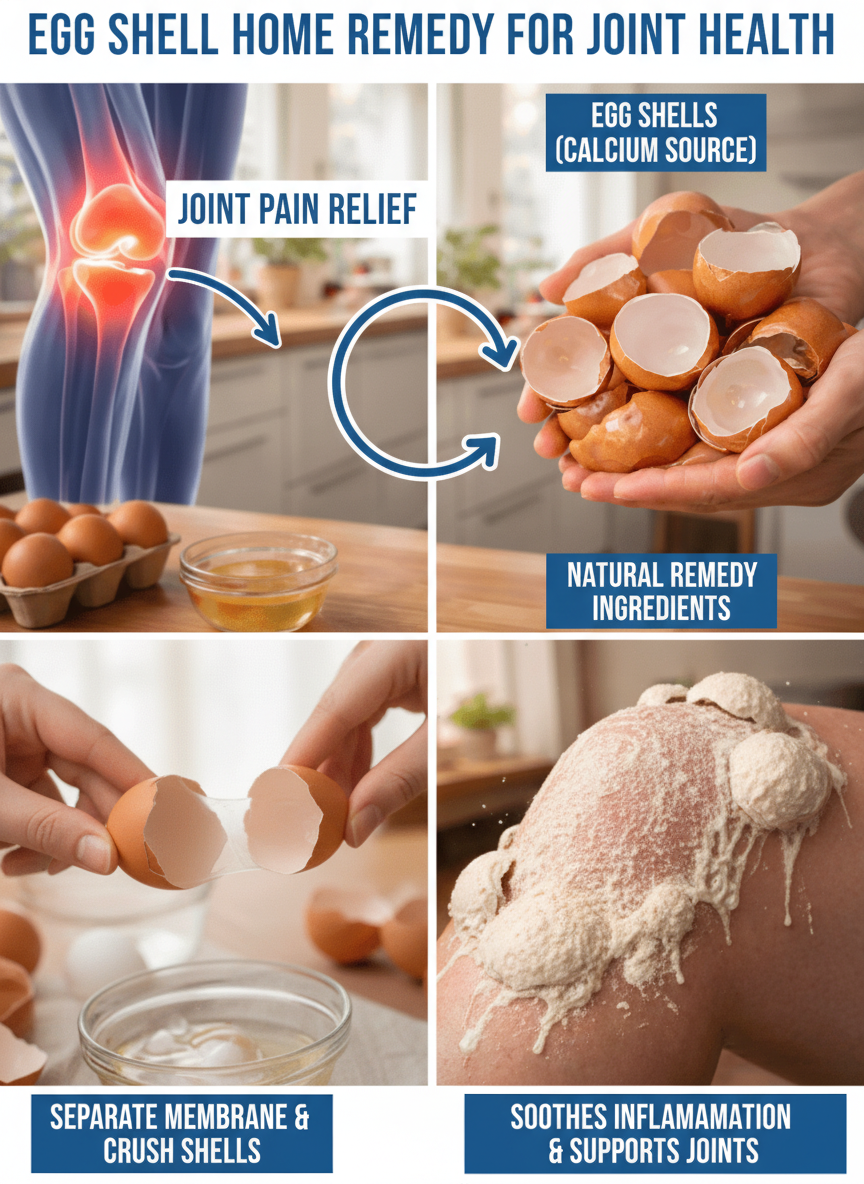
Simple Steps to Prepare Eggshell Powder
For those interested in repurposing eggshells, proper and hygienic preparation is paramount. A straightforward method, often suggested in traditional home remedies, involves the following steps:
- Thoroughly rinse the eggshells to eliminate any residual egg white or debris.
- Boil the rinsed shells for several minutes to effectively reduce potential bacteria.
- Allow them to air dry completely until no moisture remains.
- Grind the fully dried shells into an extremely fine powder consistency.
This finely ground powder is sometimes incorporated in very small quantities into foods like smoothies or oatmeal. However, it is imperative that individuals consult with their healthcare provider or a registered dietitian before making eggshell powder a regular part of their diet.
Other Excellent Food Sources for Bone Health
While eggshells offer calcium, there are numerous well-established and readily available food sources that are widely recognized for supporting robust bone health. These include:
- Milk and yogurt
- Various cheeses
- Dark leafy greens such as kale and spinach
- Almonds
- Sardines and salmon (especially varieties consumed with their soft bones)
A diverse and balanced diet is key to providing not only sufficient calcium but also other essential nutrients crucial for bone strength, including vitamin D and magnesium.
Lifestyle Habits for Stronger Bones and Joints
Achieving and maintaining strong bones and healthy joints extends beyond just nutrition. Health experts frequently recommend incorporating several additional lifestyle practices:
- Engaging in regular weight-bearing exercises, such as brisk walking or jogging.
- Performing strength training activities to build and maintain supportive muscle mass.
- Ensuring adequate vitamin D intake, either through safe sun exposure or dietary sources.
- Maintaining a healthy body weight to reduce stress on joints.
- Scheduling regular health check-ups and bone density screenings.
These proactive lifestyle choices play a significant role in preserving bone density and promoting joint mobility as we navigate the aging process.
Final Thoughts
What typically appears to be mere kitchen waste – eggshells – actually contains valuable calcium and trace minerals that have become a focal point in nutritional research. While some individuals are exploring eggshell powder as a natural calcium source, it is a practice that demands caution and should always be discussed with a qualified healthcare professional. For the majority, the most effective strategy for optimal bone and joint health remains straightforward: consistent balanced nutrition, regular physical activity, and embracing overall healthy lifestyle habits. It’s often the seemingly small, everyday decisions – like what we consume and how we move – that contribute most significantly to our long-term well-being.
Frequently Asked Questions
Are eggshells safe to consume?
If not meticulously cleaned and prepared, eggshells can potentially harbor harmful bacteria. Anyone contemplating the consumption of eggshell powder must seek guidance from a healthcare professional.
How much calcium does an eggshell typically contain?
A standard eggshell generally provides approximately 2,000 milligrams of calcium.