 By admin
 Beyond Extraction: The Surprising Value of Wisdom Teeth Stem Cells in Regenerative Medicine
For many, wisdom teeth are synonymous with discomfort and a trip to the dentist for extraction. These third molars typically emerge during late adolescence or early adulthood, often necessitating removal due to issues like crowding or pain. Historically, dental professionals primarily regarded them as routine surgical candidates. However, a significant shift in perspective has occurred with a recent scientific revelation. Researchers have uncovered a remarkable secret within these seemingly troublesome teeth: a rich source of stem cells. These specialized cells, residing within the dental pulp, are now at the forefront of studies exploring their profound potential in the field of regenerative medicine.
What Are Wisdom Teeth?
Commonly known as third molars, wisdom teeth are the final set of teeth to develop, typically making their appearance between the ages of 17 and 25. Their late eruption often leads to various oral health complications, making their removal a frequent recommendation. Key reasons for extraction include:
- Dental Crowding: They can push against existing teeth, leading to misalignment.
- Impaction: Often, there isn’t enough space for them to fully erupt, causing them to remain trapped beneath the gum line or bone.
- Infection and Inflammation: Partially erupted wisdom teeth create pockets where bacteria can accumulate, leading to infections (pericoronitis) and gum irritation.
- Oral Hygiene Challenges: Their position at the very back of the mouth makes them difficult to clean effectively, increasing the risk of cavities and gum disease.
Due to these prevalent issues, wisdom tooth removal stands as one of the most common oral surgical procedures globally. Yet, what was once considered a mere dental nuisance is now being re-evaluated for its unexpected scientific utility.
The Hidden Stem Cells Within Teeth
Deep within the core of every tooth lies a delicate soft tissue known as dental pulp. This vital tissue is a complex network of nerves, blood vessels, and various specialized cells. A groundbreaking discovery revealed that dental pulp is also a rich reservoir of mesenchymal stem cells. These remarkable cells are characterized by their pluripotent-like capabilities, meaning they possess the extraordinary ability to differentiate into numerous other cell types.
The unique properties of stem cells that make them so valuable in research include their capacity to:
- Self-Renew: They can divide and replicate themselves over extended periods.
- Differentiate: They have the potential to mature into various specialized cell types throughout the body.
- Repair and Regenerate: They play a crucial role in the body’s natural healing processes, aiding in the repair of damaged tissues.
Specifically, the stem cells isolated from teeth are often termed dental pulp stem cells (DPSCs). Their accessibility during standard dental procedures, particularly wisdom tooth extractions, makes them an incredibly appealing and promising subject for biomedical research.
Why Dental Stem Cells Are a Focus of Scientific Interest
The scientific community is keenly investigating the potential of stem cells derived from dental pulp to revolutionize regenerative medicine. Preliminary laboratory findings are highly encouraging, suggesting that these cells possess the remarkable versatility to differentiate into a diverse array of tissue types, such as:
- Osteocytes: Cells that form bone tissue.
- Chondrocytes: Cells essential for cartilage formation.
- Neurons/Glial Cells: Nerve-like cells critical for neurological repair.
- Myocytes: Cells that contribute to muscle tissue development.
The relative ease of obtaining these dental pulp stem cells positions them as a highly valuable resource for future medical innovation. Nevertheless, it is crucial to understand that while the prospects are exciting, the majority of their potential applications are still in nascent stages of research and development. Extensive further investigation and rigorous clinical trials are imperative before these discoveries can transition into widespread clinical therapies.
Exploring Tooth Stem Cell Banking
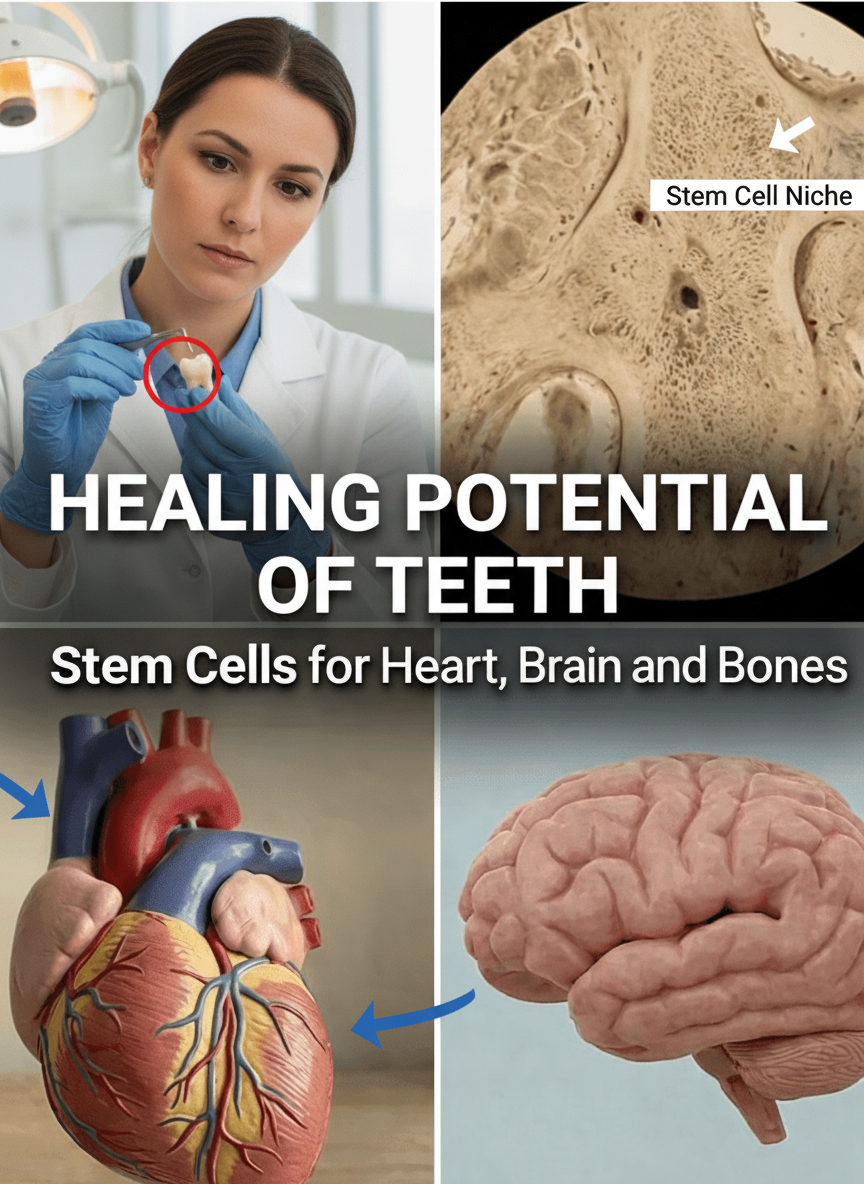
Inspired by the established practice of cord blood banking, a novel concept has emerged: tooth stem cell banking. Several specialized laboratories and companies now provide services for the long-term preservation and storage of stem cells obtained from extracted teeth. This process typically involves a few key steps:
- Tooth Collection: Immediately following a dental extraction, the tooth is carefully collected.
- Pulp Isolation: The delicate dental pulp tissue, rich in stem cells, is meticulously isolated from the collected tooth.
- Cryopreservation: The isolated stem cells undergo a sophisticated freezing process (cryopreservation) and are then stored in specialized facilities for future potential use.
The overarching vision behind this banking service is to create a personal biological reserve that could potentially be utilized for future medical research or therapeutic interventions. However, it’s important for individuals to recognize that while the potential is significant, the practical, widespread clinical applications for banked dental stem cells are still very much under active development and investigation by the scientific and medical community.
The Future Implications of This Discovery
The revelation of stem cells within wisdom teeth underscores a profound truth in biomedical science: even the most common and often discarded parts of the human body can harbor immense, previously unrecognized scientific value. Researchers globally are intensely focused on exploring the multifaceted roles that dental stem cells could play across various medical domains, including:
- Advanced Tissue Regeneration: Developing new strategies to repair or replace damaged tissues throughout the body.
- Innovative Bone Repair: Accelerating the healing of bone fractures and addressing bone loss conditions.
- Neuroscience Research: Investigating potential therapies for neurological disorders and nerve damage.
- Pioneering Dental Regeneration: Crafting novel approaches for repairing and regenerating dental structures, potentially eliminating the need for some conventional treatments.
While these potential avenues are undeniably thrilling and hold immense promise, it is essential to reiterate that the majority of these applications are firmly situated in the experimental phase. The journey from laboratory discovery to validated clinical treatments using dental stem cells is ongoing, meticulously progressing through rigorous scientific studies and trials.
Final Thoughts
For generations, wisdom teeth were largely perceived as an evolutionary remnant—troublesome molars destined for extraction. Yet, modern scientific inquiry has dramatically reshaped this perception. We now understand that these very teeth are a remarkable source of potent stem cells, offering tantalizing prospects for regenerative medicine. While the journey toward widespread clinical application is still unfolding, this discovery brilliantly illustrates the dynamic and ever-evolving nature of biomedical science. What was once routinely dismissed as biological waste is now recognized as a potential cornerstone for groundbreaking medical advancements in the years to come.
Frequently Asked Questions (FAQs)
Here are some common questions regarding wisdom teeth and stem cells:
- Are stem cells genuinely present in wisdom teeth?
- Absolutely. The dental pulp located within teeth, including wisdom teeth, is indeed a known source of mesenchymal stem cells that scientists can successfully isolate and investigate.
- Are wisdom tooth stem cells currently used to treat diseases?
- Presently, the majority of potential therapeutic applications for these stem cells remain within the research and experimental phases. They are not yet established or widely utilized as standard medical treatments for diseases.
- Is storing wisdom tooth stem cells (banking) a necessary procedure?
- While various companies offer tooth stem cell banking services, it’s important to note that the practical medical applications for these stored cells are still in early stages of development. The decision to bank is a personal one, often made with a long-term, speculative view towards future medical advancements.
Medical Disclaimer
Please note that the information presented in this article is intended solely for general informational purposes. It should not be considered a substitute for professional medical advice, diagnosis, or treatment. Always seek the guidance of qualified healthcare professionals for any questions you may have regarding dental procedures, stem cell storage options, or any other medical concerns.
”
}
“`