 By admin
 Unmasking the Silent Strain: 10 Everyday Foods That May Harm Your Liver Health
After a demanding day, settling down for a meal often means reaching for convenience—perhaps a pre-packaged dinner, a sugary drink, or a quick snack. It’s common to associate liver issues primarily with excessive alcohol consumption. However, the reality is that your liver meticulously processes every single thing you consume. Consequently, certain everyday foods, when eaten regularly or in large quantities, can impose significant stress on this crucial organ. Over time, these consistent dietary choices can lead to conditions like fat accumulation or inflammation within the liver. Gaining insight into which foods to consume cautiously is a vital step toward safeguarding your long-term liver health.
Why Your Liver Is Indispensable for Overall Health
Often dubbed the body’s primary detoxification center, the liver is an incredibly diligent organ, executing hundreds of essential functions vital for your well-being. These critical roles include:
- Efficiently processing nutrients absorbed from your diet
- Neutralizing and eliminating harmful toxins and medications from the bloodstream
- Synthesizing bile, which is essential for proper fat digestion
- Maintaining stable blood sugar levels through glucose regulation
- Serving as a reservoir for essential vitamins and minerals
Given its profound role in filtering virtually everything that enters your bloodstream, your dietary choices directly impact liver health. While sporadic treats rarely pose a threat, a consistent pattern of consuming specific foods can significantly burden liver function. Below, we delve into ten common foods frequently associated with heightened liver strain when consumed in disproportionate amounts.
1. Sugary Beverages and Sweetened Drinks
Sweetened drinks stand out as a primary contributor of added sugars in contemporary diets. A significant number of sodas and other sugary concoctions are laden with high-fructose corn syrup, a substance predominantly metabolized by the liver. Overconsumption of fructose can notably lead to the accumulation of fat in the liver, potentially contributing to non-alcoholic fatty liver disease (NAFLD). This category commonly includes:
- Carbonated soft drinks
- Pre-sweetened iced teas and lemonades
- High-sugar energy drinks
- Artificially flavored coffee drinks
Opting for plain water, herbal teas, or naturally unsweetened alternatives is a simple yet effective strategy to curb excessive sugar intake and support liver well-being.
2. Ultra-Processed Foods
Foods that undergo extensive processing are typically characterized by an abundance of artificial ingredients, along with high levels of added sugars, excessive sodium, and unhealthy fats. These items are designed for convenience and often lack essential nutrients. Common examples are:
- Pre-packaged savory and sweet snacks
- Instant ramen and similar quick-prepare noodles
- Pre-made frozen dinners and ready-to-eat meals
- Many types of processed meats (though these also get their own section)
Research suggests that a diet rich in ultra-processed foods is linked to various metabolic health issues, which can significantly impair optimal liver function and increase the risk of liver damage over time.
3. Refined Carbohydrates
Refined carbohydrates are grains stripped of their beneficial fiber, germ, and bran during milling. This processing renders them rapidly digestible, often causing sharp and sudden spikes in blood sugar levels. Typical culprits include:
- White bread and similar baked goods
- White rice, especially when consumed in large portions
- Sweet pastries and cakes
- Many popular sugary breakfast cereals
A consistent intake of foods high in refined carbohydrates can, for many individuals, contribute to increased fat deposition within the liver, further stressing its metabolic pathways.
4. Deep-Fried and Trans Fat-Rich Foods
Foods prepared by deep-frying are frequently saturated with unhealthy fats, particularly trans fats and excessive saturated fats. Regular consumption of these fats can negatively impact cholesterol profiles and disrupt overall metabolic balance, placing a burden on your liver. Widespread examples include:
- Crispy fried chicken and other breaded, fried meats
- Golden french fries and potato chips
- Many commercially produced fried snacks
- Sweet, deep-fried doughnuts and pastries
Limiting your intake of fried items and opting for healthier cooking methods like baking, grilling, or air-frying can significantly contribute to better metabolic and liver health.
5. Excessive Alcohol Consumption
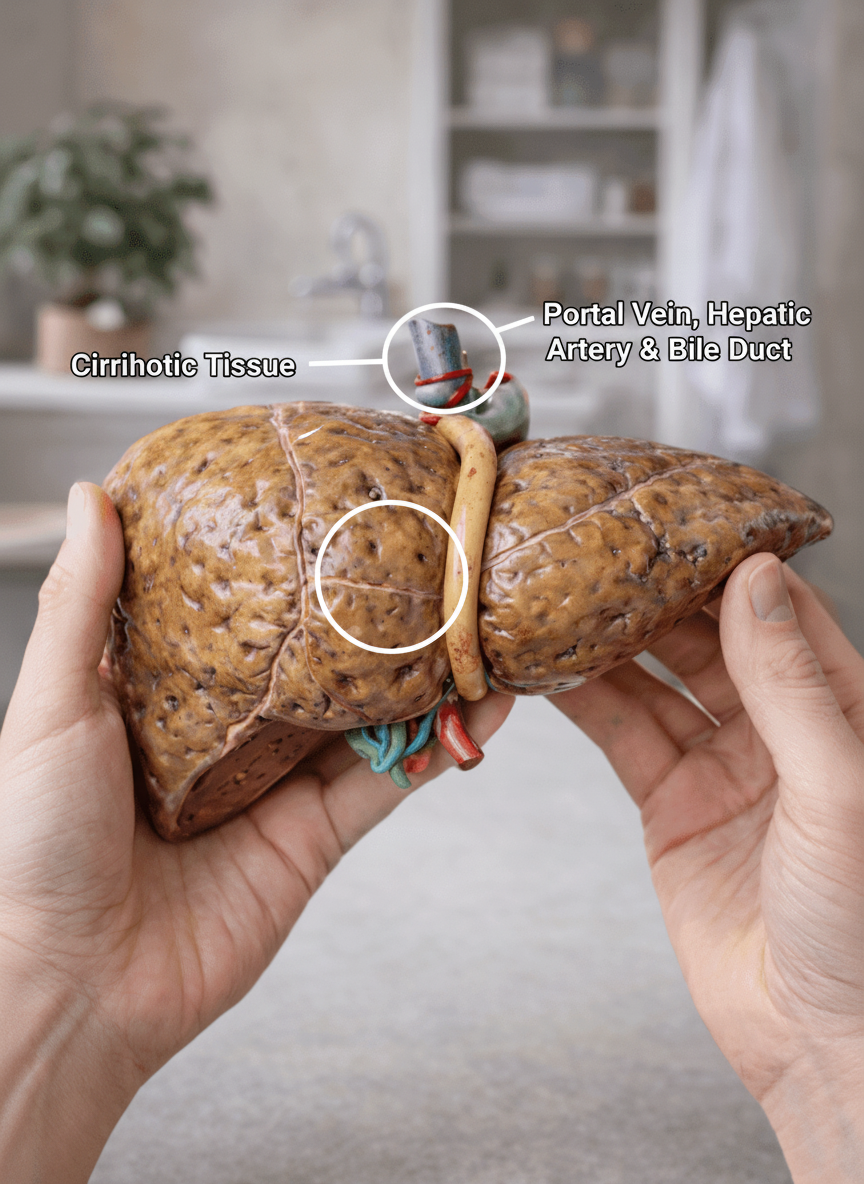
While often highlighted, it’s crucial to reiterate that alcohol remains one of the most significant and well-documented contributors to liver damage. The liver is primarily responsible for metabolizing alcohol, and chronic, heavy consumption can lead to severe issues such as inflammation, fatty liver disease, alcoholic hepatitis, and cirrhosis. Public health recommendations consistently advise either strict moderation or complete abstinence, particularly for individuals with pre-existing health conditions or compromised liver function.
6. High-Sugar Desserts and Confectionery
Indulging in desserts occasionally is perfectly fine, but a vast number of popular sweet treats are packed with substantial quantities of added sugars and refined carbohydrates. Regular, high intake of these sugary foods can disrupt critical metabolic pathways, potentially leading to increased fat storage in the liver and exacerbating liver stress. Common examples include:
- Rich cakes and pastries
- Sweet cookies and biscuits
- Various forms of candy and chocolates
- Creamy ice creams and frozen yogurts with added sugar
7. Processed and Cured Meats
Processed meats, such as cold cuts and cured products, are typically loaded with synthetic preservatives, high levels of sodium, and unhealthy saturated fats. These additives are used to enhance flavor, extend shelf life, and improve texture. Everyday items include:
- Crispy bacon and pancetta
- Various types of sausages and frankfurters
- Hot dogs and similar highly processed meat products
- Sliced deli meats like ham, turkey, and salami
A significant body of research indicates a correlation between high consumption of processed meats and an elevated risk of metabolic disorders, which can indirectly contribute to liver dysfunction and poor liver health.
8. Excessive Sodium Intake
While often associated with cardiovascular health, particularly high blood pressure, an overabundance of sodium in the diet can also subtly impact liver function. Beyond affecting fluid balance, excessive salt intake can contribute to inflammation and potentially exacerbate liver conditions. Foods notorious for their high sodium content include:
- Many varieties of canned soups and broths
- Most fast-food meals and restaurant dishes
- A wide array of processed snacks, chips, and crackers
Adopting a lower-sodium approach is a cornerstone recommendation not only for heart health but also for maintaining optimal liver function and preventing related complications.
9. Artificially Sweetened Beverages
The role of artificial sweeteners in metabolic health is a topic of ongoing scientific inquiry. Although the long-term effects on the liver are not yet fully understood and research is still developing, some preliminary studies suggest potential links between certain artificial sweeteners and alterations in gut microbiota and metabolic processes. Consequently, many health professionals advise consuming artificially sweetened drinks in moderation until more conclusive evidence emerges regarding their impact on liver health.
10. High-Fat Fast Foods and Takeaways
Fast-food meals and convenient takeaways are typically characterized by their high caloric density, unhealthy