 By admin
 Unlock a Brighter Smile Naturally: 11 Bleach-Free Home Methods for Whiter Teeth at Any Age
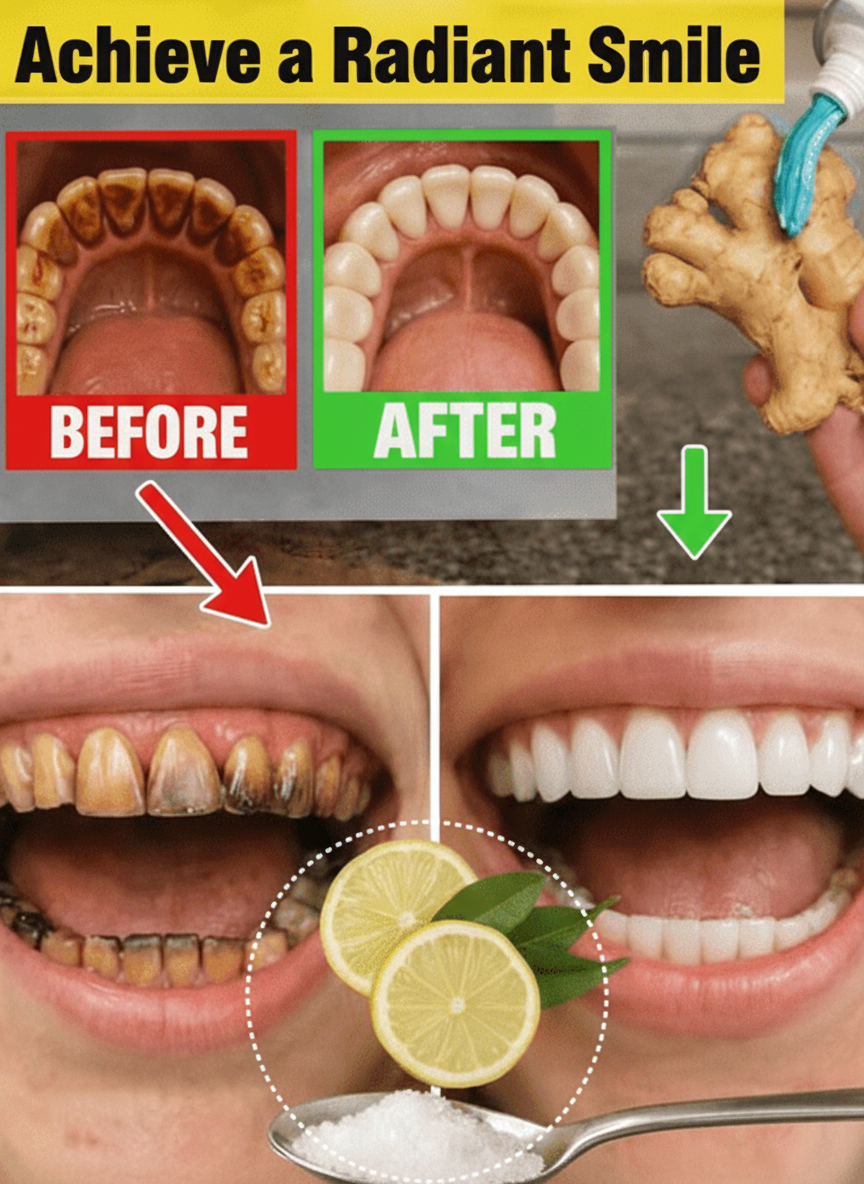
Over time, the natural luster of our teeth can fade due to daily habits like enjoying coffee or tea, or simply as a natural part of the aging process. This gradual shift in tooth shade can sometimes diminish confidence, making even casual interactions feel less comfortable. The good news is that achieving a brighter, more radiant smile doesn’t always require harsh chemicals or expensive dental procedures. There are numerous natural approaches you can explore right from the comfort of your home.
Stay with us until the end, as we’ll reveal a surprising combination of everyday kitchen items that some individuals find remarkably effective for enhancing their oral care routine.
Understanding Tooth Discoloration and Natural Whitening Strategies
Tooth color is influenced by two primary factors: surface stains (extrinsic) caused by various foods and beverages, and deeper discoloration (intrinsic) which often relates to enamel wear or changes within the tooth structure. Natural teeth whitening methods typically focus on gently removing these surface stains or preventing their accumulation through mild abrasion, rinsing, and improved oral hygiene. Scientific research consistently underscores the vital role of consistent oral care in maintaining tooth appearance and preventing unsightly buildup. Let’s delve into some effective options.
Primary Causes of Tooth Stains
Several common culprits contribute to the darkening or yellowing of teeth:
- Dark-colored drinks: Beverages such as coffee, various teas, and red wine are notorious for leaving stains.
- Tobacco products: Both smoking and chewing tobacco can lead to significant discoloration.
- Certain pigmented foods: Items like berries, tomato sauce, and curry can also contribute to surface stains.
- Insufficient oral hygiene: A lack of regular brushing and flossing allows plaque to accumulate, which can absorb pigments and make teeth appear duller.
Minimizing exposure to these factors can significantly support your efforts to maintain a brighter smile.
11 Natural Methods for a Brighter Smile
Here are 11 natural approaches, rooted in common practices and supported by varying degrees of research. It’s important to remember that individual results can differ, and always proceed with caution, especially when trying new methods.
-
Brushing with Baking Soda
Baking soda (sodium bicarbonate) is a mild abrasive often utilized for its ability to gently polish away surface stains. Many find it an effective natural tooth whitening agent.
- Preparation: Combine 1 teaspoon of baking soda with a small amount of water to form a smooth paste.
- Application: Gently brush your teeth with this paste for approximately 2 minutes.
- Rinsing: Rinse your mouth thoroughly with water afterward.
- Frequency: Use this method 2-3 times per week. Studies suggest baking soda can effectively remove surface stains due to its mild abrasive and alkaline properties.
-
Diluted Hydrogen Peroxide Rinse
A low-concentration hydrogen peroxide solution is another option some individuals use to help brighten their smile over time. It acts as a mild bleaching agent.
- Preparation: Mix equal parts 3% hydrogen peroxide with water.
- Application: Swish the diluted solution in your mouth for about 30 seconds.
- Rinsing: Spit out the solution and rinse your mouth thoroughly with plain water.
- Frequency: Use occasionally. Research indicates that diluted versions may contribute to a brighter appearance over time. Crucially, avoid swallowing the solution and always dilute it to minimize potential irritation.
-
Oil Pulling with Coconut Oil
This ancient Ayurvedic practice involves swishing oil in the mouth to improve oral hygiene. While direct whitening benefits are less scientifically established, some users report a brighter feel.
- Preparation: Take 1 tablespoon of virgin coconut oil.
- Application: Swish the oil around your mouth for 10-15 minutes daily.
- Rinsing: Spit out the oil (into a trash can, not down the drain to avoid clogging) and rinse your mouth with water.
- Benefits: Some evidence points to potential oral hygiene benefits, such as reducing bacteria, though specific whitening effects are still being researched.
-
Eating Crunchy Fruits and Vegetables
Nature’s own scrubbers, firm fruits and vegetables like apples, carrots, and celery, can help clean tooth surfaces naturally as you chew.
- Integration: Incorporate these into your regular meals and snacks.
- Action: Chew them thoroughly. The fibrous texture helps to gently scrub away plaque and surface stains.
- Benefit: General dental insights suggest these foods can assist in reducing plaque buildup and maintaining tooth cleanliness.
-
Strawberry Paste
Strawberries contain malic acid, an enzyme some believe contributes to breaking down surface stains on teeth.
- Preparation: Mash 1-2 ripe strawberries and mix with a pinch of baking soda to form a paste.
- Application: Apply the paste to your teeth and leave it on for about 5 minutes.
- Rinsing: Brush your teeth thoroughly afterward to remove all traces of the paste, then rinse well.
- Caution: Limited studies note potential surface effects, but due to the acidity of strawberries, use this method sparingly to protect tooth enamel.
-
Banana Peel Rub
The inside of a banana peel is thought by some to contain minerals like potassium, magnesium, and manganese that may help absorb stains from tooth surfaces.
- Application: Gently rub the inner side of a fresh banana peel over your teeth for about 2 minutes.
- Rinsing: Rinse your mouth thoroughly with water afterward.
- Frequency: Try this daily for a week to observe any potential changes.
- Evidence: While a small study mentions antibacterial properties of banana peels, direct scientific evidence for teeth whitening is largely anecdotal.
-
Activated Charcoal Brushing
Activated charcoal is highly porous and known for its absorbent qualities, which some believe can draw out surface stains and toxins from teeth.
- Preparation: Mix a small amount of activated charcoal powder with water to create a thin paste.
- Application: Gently brush your teeth with this paste for 1-2 minutes.
- Rinsing: Rinse your mouth exceptionally well to remove all charcoal particles.
- Frequency: Use 1-2 times weekly.
- Caution: Reviews on its effectiveness and long-term safety are mixed, with concerns about its abrasiveness potentially damaging enamel if used too frequently or aggressively.
-
Apple Cider Vinegar Rinse (Diluted)
Diluted apple cider vinegar (ACV) is another rinse option, with its acetic acid component believed by some to help remove stains and kill bacteria.
- Preparation: Mix 1 teaspoon of apple cider vinegar with a full cup of water.
- Application: Swish the diluted solution in your mouth briefly (no more than 30 seconds).
- Rinsing: Rinse your mouth thoroughly with plain water immediately afterward.
- Caution: An older study observed potential bleaching effects, but the high acidity of ACV requires extreme caution. Frequent or undiluted use can erode tooth enamel. Sustainability in use is crucial here.
-
Consuming Dairy Products
Dairy products like cheese and yogurt are rich in calcium, phosphorus, and lactic acid, which can help strengthen enamel and neutralize harmful acids in the mouth, indirectly protecting against stains.
- Integration: Consume a small portion of cheese or plain yogurt after meals.
- Benefit: This can help neutralize acids produced by bacteria and food, supporting overall tooth health and potentially reducing stain formation.
-
Turmeric Paste
Often surprising to many, turmeric, known for its anti-inflammatory properties and vibrant color, is used by some in oral care for its perceived benefits, despite its staining potential on other surfaces.
- Preparation: Combine turmeric powder with a small amount of water or coconut oil to form a paste.
- Application: Brush your teeth gently with this paste for about 1 minute.
- Rinsing: Rinse thoroughly until all yellow residue is gone.
- Evidence: While there’s no strong scientific evidence for its direct teeth whitening effects, some individuals use it for its purported oral health benefits.
-
Lemon Juice Application (With Extreme Caution)
Lemon’s citric acid possesses natural bleaching properties, but its highly acidic nature poses significant risks to tooth enamel.
- Preparation: If attempting, mix a very small amount of lemon juice with baking soda to create a paste.
- Application: Apply to teeth for a very brief period (a few seconds only).
- Rinsing: Rinse immediately and thoroughly with water.
- Warning: Studies highlight its bleaching potential but strongly warn of severe enamel erosion risks. Always prioritize enamel protection. This method is generally not recommended by dental professionals due to its high acidity.
Final Thoughts on Natural Teeth Whitening
While these natural methods offer intriguing at-home options for achieving a brighter smile without bleach, it’s crucial to approach them with realistic expectations and an understanding of potential risks. Consistency in your daily oral hygiene routine – brushing twice a day, flossing daily, and regular dental check-ups – remains the cornerstone of maintaining both healthy and naturally vibrant teeth. Always listen to your body, and if you experience any sensitivity or discomfort, discontinue use immediately. For personalized advice and before embarking on any significant new oral care regimen, consulting with your dentist is always the best course of action to ensure the safety and health of your smile.