 By admin
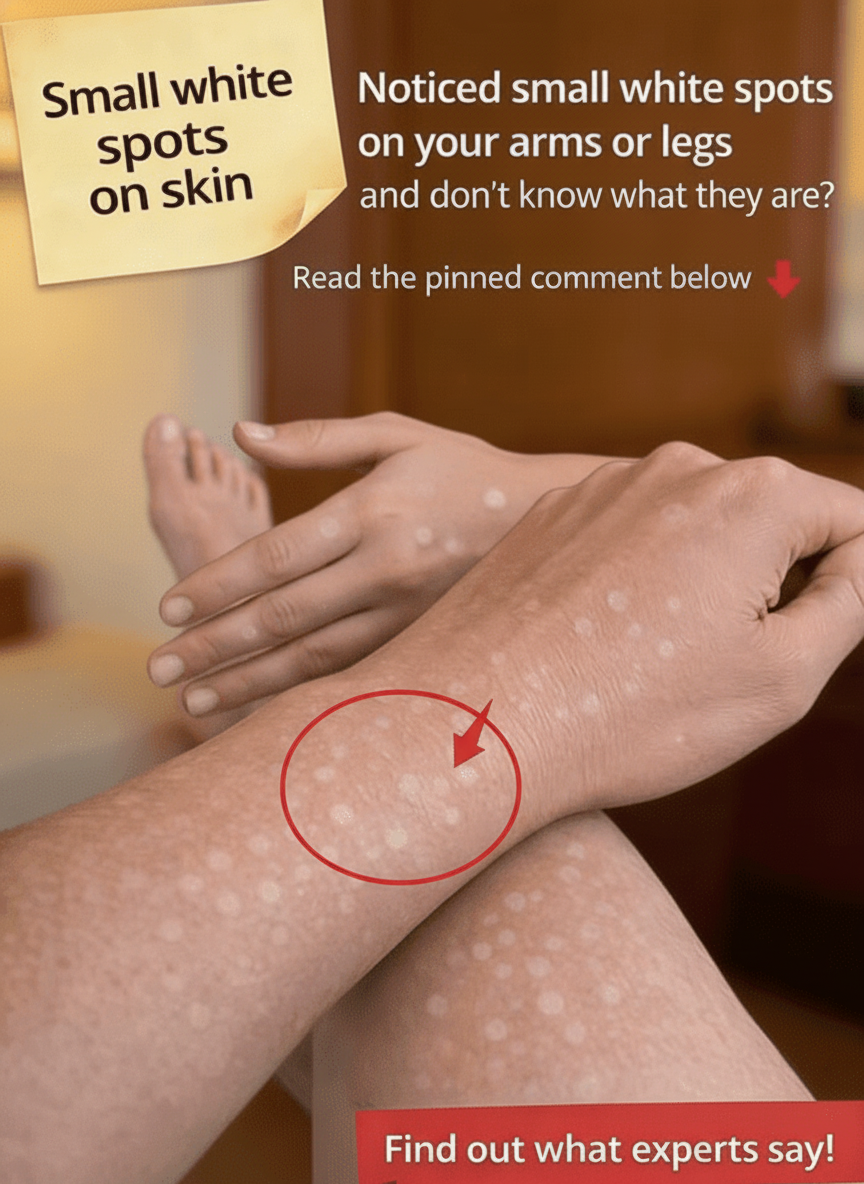
 Discovering small white spots on your skin, particularly on areas like your arms or legs, can often be a source of concern. These unexpected marks might multiply over time, leading you to question their origin—whether they signify aging, a dietary deficiency, or a more significant health issue. This uncertainty can naturally lead to anxiety each time you notice your skin’s appearance, especially under natural light. Fortunately, the vast majority of these **white spots on the skin** are benign. This comprehensive guide aims to demystify these common skin changes, providing clarity on their meaning and highlighting a crucial, often overlooked practice that can make a substantial impact.
Why Do White Spots Appear on the Skin?
The presence of **white spots on the skin** primarily indicates a localized reduction or complete loss of melanin, the natural pigment that gives our skin its color. This phenomenon, known as hypopigmentation, can stem from various factors, from the natural aging process to specific dermatological conditions. It’s crucial to understand that not all hypopigmented areas are identical. Distinct characteristics such as their size, precise shape, location on the body, and tactile texture provide vital insights into their underlying cause. Let’s delve into these variations to gain a clearer understanding.
Common Causes of White Spots on Arms and Legs
1. Idiopathic Guttate Hypomelanosis (IGH)
If you’re over the age of 30 and observe tiny, well-defined round white spots on areas frequently exposed to the sun, such as your forearms or shins, **Idiopathic Guttate Hypomelanosis (IGH)** is a highly probable cause. What distinguishes IGH:
- Small, typically 2–5 mm, round depigmented spots
- Smooth, flat surface texture
- Most prevalent on the arms and legs
- Becomes more noticeable following sun exposure
Research indicates that IGH is strongly associated with cumulative sun damage and the natural process of skin aging. It is generally considered harmless and is an extremely common dermatological finding. However, many individuals mistakenly identify IGH as other conditions, leading to unnecessary worry.
2. Tinea Versicolor (Fungal-Related Discoloration)
This common skin condition results from an overgrowth of a specific type of yeast (Malassezia) that naturally resides on the skin’s surface. Characteristic signs of **Tinea Versicolor** include:
- Patches that appear lighter or white (though sometimes they can be pink or light brown)
- Mild, fine scaling or flaking
- May cause slight itchiness
- Frequently observed on the chest, back, and upper arms
According to dermatology studies, warm and humid environments significantly increase the likelihood of developing Tinea Versicolor. Unlike IGH, these patches often present with a subtly powdery or scaly surface. An interesting aspect is that **Tinea Versicolor** often becomes more prominent after sun exposure because the surrounding healthy skin tans, while the affected hypopigmented areas do not.
3. Vitiligo
**Vitiligo** is a more distinct autoimmune condition characterized by the loss of melanocytes, the cells responsible for producing skin pigment. Key features include:
- Larger, milky-white patches
- Clearly defined, often irregular borders
- Can manifest on any part of the body
- May appear symmetrically on both sides of the body
The American Academy of Dermatology highlights that vitiligo is an autoimmune disorder. It is not contagious and typically does not cause physical pain or discomfort. However, the visible contrast in skin tone can have a significant emotional and psychological impact on individuals.
4. Post-Inflammatory Hypopigmentation
Occasionally, **white spots on the skin** emerge after the healing of various inflammatory skin conditions or minor injuries. These can include:
- Eczema
- Psoriasis
- Minor skin abrasions or injuries
- Insect bites
- Burns
When the skin recovers from inflammation, the production of pigment in the affected area may temporarily decrease. The good news is that many of these **post-inflammatory hypopigmentation** spots tend to fade gradually over time as the skin fully regenerates and melanin production normalizes.
Quick Comparison Table: What Might Your White Spots Be?
| Feature | IGH | Tinea Versicolor | Vitiligo | Post-Inflammatory |
|---|---|---|---|---|
| Size | Tiny dots | Small patches | Larger patches | Variable |
| Texture | Smooth | Slightly scaly | Smooth | Smooth |
| Itchy? | No | Sometimes | No | Rare |
| Common Areas | Arms, legs | Chest, back | Anywhere | Site of prior irritation |
| Linked to Sun | Yes | More visible after sun | No direct link | Sometimes |
This table provides a concise overview—but remember, the specific visual patterns and your personal medical history remain critical for accurate assessment.
When Should You See a Doctor?
While the majority of **white spots on the skin** are benign, it is prudent to seek professional medical evaluation from a dermatologist if you observe any of the following:
- The spots begin to spread rapidly across your body.
- The borders of the spots become sharply defined and expand in size.
- You notice accompanying changes in hair color within the affected areas.
- There is persistent itching, scaling, or any other bothersome symptoms.
- You feel uncertain or anxious about the appearance or potential implications of the spots.
Dermatologists can typically diagnose **white spots on the skin** through a straightforward visual examination. In rare instances, additional diagnostic tests, such as a skin biopsy or fungal scraping, may be conducted to rule out specific infections or conditions. Always remember: seeking expert reassurance for your skin concerns is a completely valid and advisable step.
The Role of Sun Exposure
Sunlight, particularly long-term ultraviolet (UV) exposure, plays a more significant role in the development and visibility of **white spots on the skin** than many people realize. Consistent UV radiation:
- Accelerates the natural aging process of the skin.
- Can trigger changes in pigment-producing cells (melanocytes).
- Makes the contrast between hypopigmented and surrounding tanned skin much more noticeable.
Numerous studies have demonstrated that diligent and consistent use of broad-spectrum sunscreen can help mitigate the appearance of new hypopigmented spots over time. Here’s a crucial insight that many overlook: instead of solely focusing on treating existing spots, prioritizing daily sun protection habits can yield surprising and lasting benefits for overall skin health.
Practical Steps You Can Start Today
If you’ve noticed **white spots on your skin**, here’s a calm and structured approach you can implement:
Step 1: Observe Pattern and Texture
Position yourself in natural light and carefully examine the affected areas. Look for:
- Any signs of scaling or flaking?
- Are the spots symmetrical or randomly distributed?
- Do they appear to be growing or multiplying over time?
Consider taking monthly photographs of the spots to accurately track any changes in size, shape, or number.
Step 2: Improve Sun Protection
Daily sun protection habits are far more impactful than occasional efforts. Integrate these practices into your routine:
- Apply a broad-spectrum sunscreen with an SPF of 30 or higher to all exposed skin areas every day.
- Reapply sunscreen every two hours when outdoors, or more frequently after swimming or sweating.
- Wear lightweight, long-sleeved clothing and wide-brimmed hats whenever possible, especially during peak sun hours.
- Seek shade during the most intense sun hours, typically between 10 AM and 4 PM.