 By admin
 Stroke can strike with startling suddenness, often leaving individuals and their loved ones reeling from its profound and immediate impact on daily life. While many associate stroke primarily with advanced age or pre-existing severe health conditions, the reality is more nuanced: it can develop subtly over years, influenced by seemingly minor, unacknowledged lifestyle patterns. The critical insight is that seemingly insignificant daily choices and overlooked early indicators can progressively elevate risk, often without overt symptoms. The empowering news, however, is that proactive knowledge is your best defense. By grasping key warning signals and integrating straightforward daily habits, you can significantly enhance your preparedness and well-being. And as you read on, we’ll reveal one crucial routine often underestimated, yet highly endorsed by health experts.
Understanding Stroke: The Basics
A stroke occurs when the vital blood supply to a section of the brain is interrupted or severely reduced. This interruption deprives brain cells of essential oxygen and nutrients, leading to rapid cell damage and death within minutes. Recognizing the primary types is crucial:
- Ischemic Stroke: This is the most common type, resulting from a blood clot that blocks or narrows an artery leading to the brain.
- Hemorrhagic Stroke: This less frequent but often more severe type is caused by a blood vessel rupturing and bleeding into or around the brain.
Globally, health authorities consistently identify stroke as a predominant cause of long-term neurological disability. Yet, there’s a significant silver lining: a substantial number of stroke risk factors are directly linked to our daily routines and our level of health awareness. This is precisely why informed knowledge isn’t just power—it’s preventative.
Why Early Recognition is Absolutely Critical
It’s a common misconception that a stroke always announces itself with unmistakable, dramatic symptoms. In reality, many individuals experience subtle, transient signals—often referred to as ‘mini-strokes’ or TIAs (transient ischemic attacks)—days or even weeks prior to a major event. These fleeting changes are frequently dismissed as minor inconveniences or temporary discomforts. However, extensive research underscores that identifying these early patterns allows for prompt medical intervention and crucial lifestyle modifications, significantly improving outcomes.
Beyond immediate response, even modest, consistent enhancements in daily routines—encompassing regular physical activity, mindful nutrition, and effective stress management—collectively bolster overall cardiovascular and cognitive health. The cornerstone of this preventative approach is unwavering consistency.
Recognizing Common Early Stroke Warning Signs
Swift and informed action can be life-saving during a stroke. Familiarizing yourself with the potential signs empowers you to respond promptly and responsibly. Pay immediate attention to any of these sudden, unexplained changes:
- Sudden Numbness or Weakness: Particularly if it affects one side of your body, such as an arm, leg, or the face.
- Speech Difficulties: Trouble speaking clearly, slurred speech, or difficulty understanding what others are saying.
- Acute Confusion: A sudden onset of confusion, disorientation, or problems with comprehension and focus.
- Vision Disturbances: Abrupt blurry vision, double vision, or loss of sight in one or both eyes.
- Loss of Balance or Coordination: Sudden dizziness, clumsiness, or difficulty walking steadily.
- Severe Headache: An intense, sudden headache with no apparent cause, often described as the “worst headache of your life.”
Crucially, these symptoms can manifest briefly and then seemingly vanish. Regardless of their duration, such transient changes should never be dismissed. To aid rapid recognition, numerous global health organizations advocate for an easy-to-remember acronym: BE FAST.
The BE FAST Acronym: A Quick Reference Guide
This straightforward checklist is designed to help you, or someone around you, quickly identify potential stroke symptoms and understand the urgency of seeking medical attention.
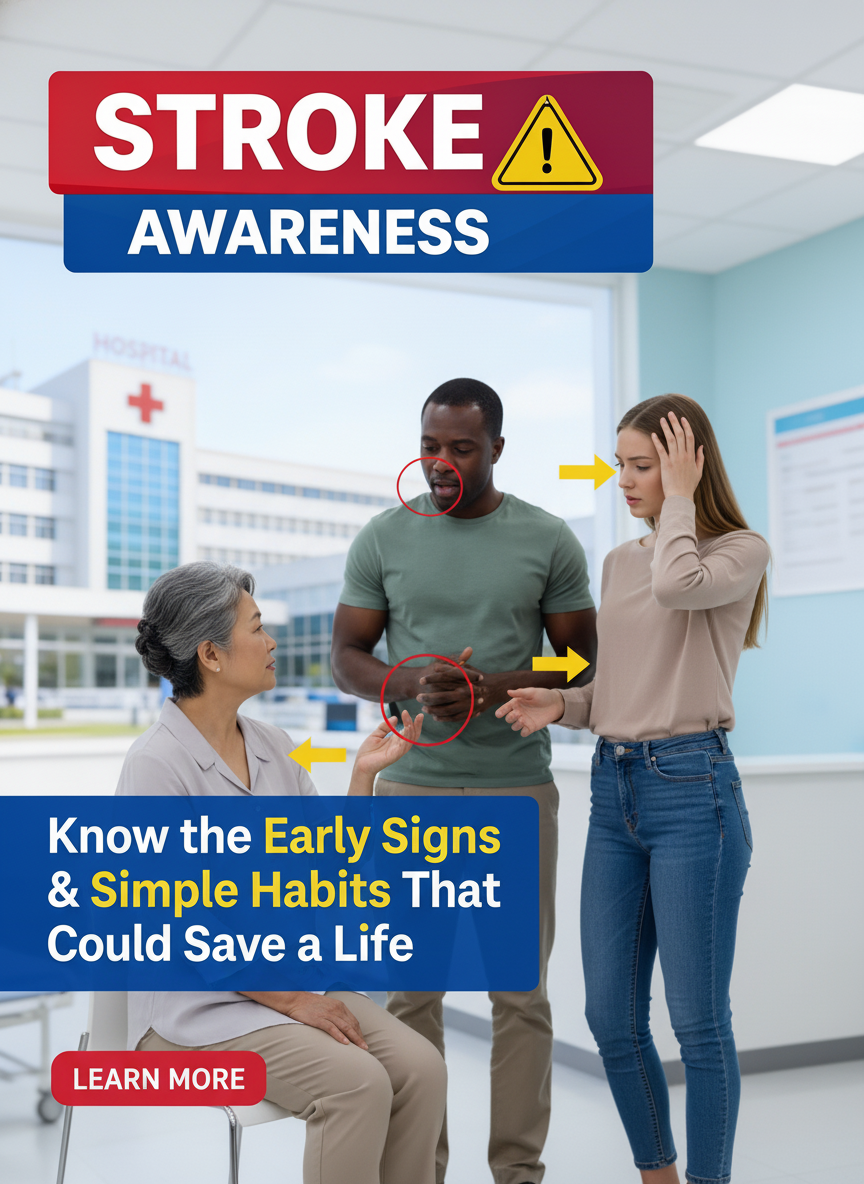
| Letter | Meaning | What to Notice |
|---|---|---|
| B | Balance | Sudden loss of balance, coordination, or dizziness. |
| E | Eyes | Sudden blurred vision, double vision, or partial/complete loss of vision. |
| F | Face | One side of the face droops when smiling, or feels numb. |
| A | Arms | One arm feels weak or numb; if asked to raise both arms, one drifts downward. |
| S | Speech | Speech is slurred, garbled, or difficult to understand. |
| T | Time | Time to call emergency services immediately. Every minute counts. |
Using this simple tool can significantly improve response times, which are vital for better stroke outcomes.
Proactive Daily Habits for Robust Brain and Heart Health
While absolute prevention can never be guaranteed, embracing specific lifestyle patterns is unequivocally linked to superior cardiovascular and cognitive well-being. The encouraging news is that these powerful habits are not complex or out of reach—many can be initiated and integrated into your routine starting today.
1. Embrace Consistent Physical Activity
Regular movement is fundamental for maintaining healthy blood circulation throughout your body, including to your brain. The key isn’t necessarily high-intensity workouts, but rather consistency and incorporating movement into your daily life:
- Aim for 20–30 minutes of brisk walking most days of the week.
- Incorporate gentle stretching or yoga to improve flexibility and reduce tension.
- Perform light strength training exercises a few times each week to build muscle mass.
Extensive research consistently demonstrates that a routine of physical activity significantly enhances heart and blood vessel function, directly contributing to optimal brain health and reducing stroke risk.
2. Cultivate a Nutrient-Rich, Balanced Diet
The cumulative impact of your dietary choices over time is profound. Prioritize a plate rich in whole, unprocessed foods:
- Abundant fresh vegetables and fruits, providing essential vitamins and antioxidants.
- Whole grains such as oats, brown rice, and quinoa, for sustained energy and fiber.
- Healthy fats from sources like avocados, nuts, seeds, and olive oil, crucial for brain function.
- Lean protein sources, including fish, poultry, legumes, and tofu.
Concurrently, strive to minimize heavily processed foods, sugary drinks, and excessive sodium intake. Remember, even minor adjustments, consistently applied, yield significant health dividends over months and years. Furthermore, a frequently overlooked aspect of this foundation is adequate hydration, which plays a surprisingly vital role in healthy circulation and overall systemic well-being.
3. Actively Manage and Maintain Healthy Blood Pressure
Optimal blood pressure is indispensable for the integrity and efficiency of your entire circulatory system, directly impacting stroke risk. Key habits for supporting healthy levels include: