 By admin
 Stroke Awareness: Essential Habits and Early Signs for Prevention and Preparedness
A stroke can strike unexpectedly, often leaving individuals and their families reeling from its sudden impact on daily life. Many mistakenly believe that strokes only affect the elderly or those with existing severe health issues. However, the reality is that strokes can develop silently over years, influenced by seemingly minor lifestyle choices that accumulate unnoticed. The sobering truth is that everyday decisions and missed early indicators can gradually elevate risk without immediate, obvious symptoms.
The encouraging news? By understanding crucial warning signs and adopting straightforward daily habits, you can significantly enhance your preparedness and reduce your risk. And, as you’ll discover towards the end of this article, there’s one vital routine often overlooked by many but highly recommended by health experts.
Understanding Stroke in Simple Terms
A stroke occurs when the blood supply to a part of the brain is interrupted. This deprivation prevents vital oxygen and nutrients from reaching brain cells, causing them to begin dying within minutes. There are two primary types of stroke:
- Ischemic Stroke: This is the most common type, resulting from a blockage (often a blood clot) in a blood vessel supplying the brain.
- Hemorrhagic Stroke: This less common but often more severe type is caused by bleeding into or around the brain.
Global health organizations consistently identify stroke as a leading cause of long-term disability worldwide. Yet, here’s the empowering perspective: a significant number of stroke risk factors are directly linked to our daily habits and level of awareness. This is precisely where knowledge becomes a powerful tool for stroke prevention and better brain health.
Why Early Awareness Matters More Than You Think
A stroke doesn’t always announce itself with dramatic, sudden symptoms. Sometimes, subtle signals, known as transient ischemic attacks (TIAs) or “mini-strokes,” can appear days or even weeks before a major event. Many individuals dismiss these early changes as minor or temporary discomforts, failing to recognize their critical importance. However, research consistently shows that recognizing these patterns early can lead to timely medical intervention and necessary lifestyle adjustments, potentially preventing a full-blown stroke.
Beyond immediate response, even small, consistent improvements in daily habits – such as incorporating regular movement, adopting better nutrition, and practicing effective stress management – can significantly bolster overall cardiovascular health and brain health. The key to these benefits lies in consistency.
Common Early Warning Signs of Stroke People Often Overlook
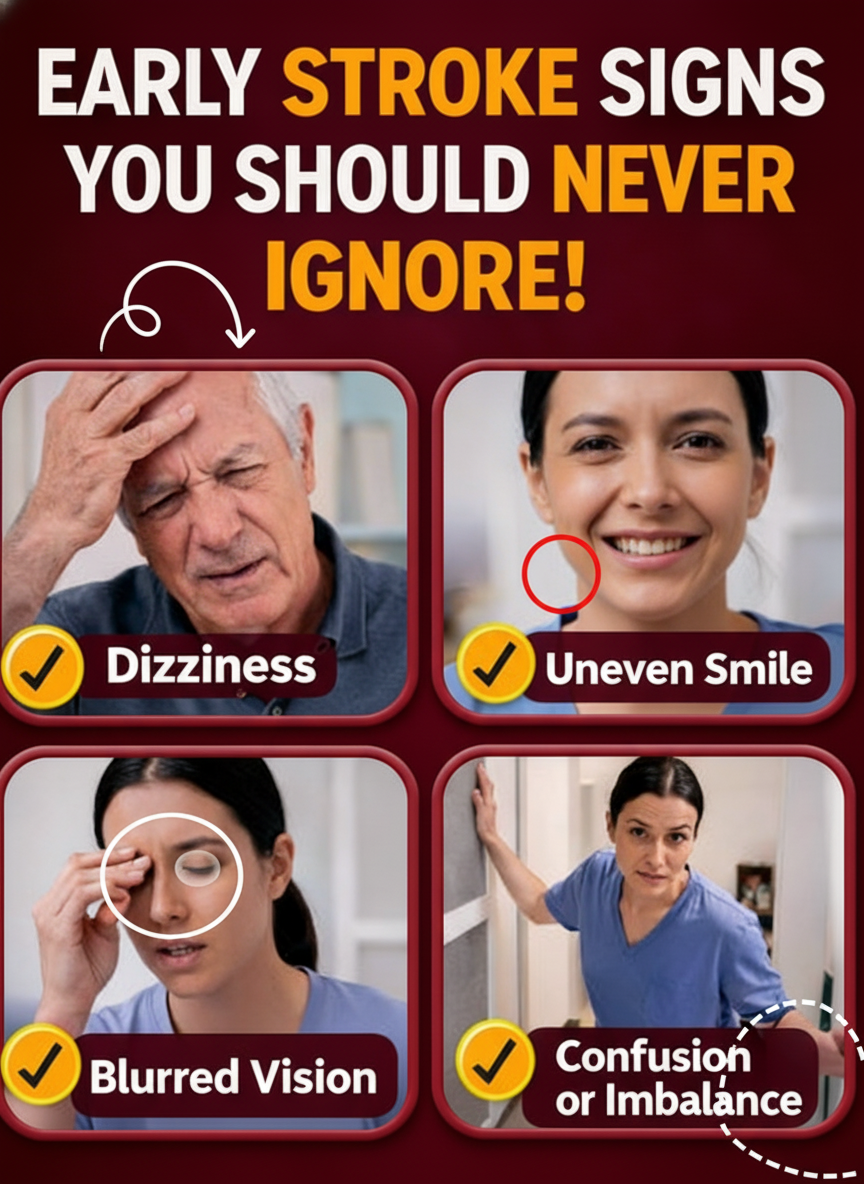
Being able to identify potential stroke symptoms quickly is crucial for a rapid and effective response. Watch for these sudden changes that demand immediate attention:
Sudden Changes That Deserve Attention
- Unexpected Numbness or Weakness: Especially if it affects one side of the body (face, arm, or leg).
- Difficulty Speaking or Understanding: Trouble articulating words, slurred speech, or struggling to comprehend simple sentences.
- Sudden Confusion or Trouble Focusing: An abrupt change in mental clarity or ability to concentrate.
- Vision Changes: Blurred vision, double vision, or a sudden loss of vision in one or both eyes.
- Loss of Balance or Coordination: Sudden dizziness, an inability to walk steadily, or clumsiness.
- Severe Headache: A sudden, excruciating headache with no apparent cause, often described as the “worst headache of my life.”
It’s vital to remember that these changes might appear briefly and then disappear. However, even fleeting symptoms should never be dismissed. They could be warning signs of a TIA, indicating a higher risk of a future stroke.
To help people quickly recognize early warning signs of stroke, many health organizations promote a simple, easy-to-remember acronym: BE FAST.
The BE FAST Reminder Tool
| Letter | Meaning | What to Notice |
|---|---|---|
| B | Balance | Sudden loss of balance or coordination. |
| E | Eyes | Blurred vision, double vision, or sudden vision loss. |
| F | Face | One side of the face drooping when smiling. |
| A | Arms | Weakness or numbness in one arm; inability to raise both arms equally. |
| S | Speech | Slurred or confused speech; difficulty repeating a simple sentence. |
| T | Time | Act quickly. If you observe any of these signs, call emergency services immediately. Every minute counts. |
This straightforward checklist empowers individuals to respond more swiftly and appropriately if they or someone they know experiences potential stroke symptoms.
Daily Habits That Support Optimal Brain and Heart Health
While no single habit can guarantee stroke prevention, adopting certain healthy lifestyle patterns is strongly linked to superior cardiovascular health and reduced stroke risk. The best part? These are simple enough to integrate into your life starting today.
1. Stay Consistently Active
Regular physical activity is fundamental for healthy blood circulation. You don’t need to commit to intense, high-impact workouts; consistency is far more important:
- Aim for 20–30 minutes of moderate-intensity walking most days of the week.
- Incorporate gentle stretching or yoga to improve flexibility and reduce stress.
- Perform light strength exercises a couple of times per week to build muscle mass.
Extensive research consistently demonstrates that regular movement enhances heart and blood vessel function, directly contributing to better brain health and a lower risk of stroke.
2. Build a Balanced Plate
The food choices you make over time significantly impact your heart health. Focus on nutrient-dense options:
- Prioritize fresh vegetables and fruits, aiming for a wide variety of colors.
- Choose whole grains like oats, brown rice, and whole wheat bread over refined grains.
- Incorporate healthy fats from sources such as nuts, seeds, avocados, and olive oil.
- Opt for lean protein sources like fish, poultry, beans, and lentils.
Make an effort to reduce your intake of heavily processed foods, sugary drinks, and excessive salt. Small, consistent dietary changes can yield substantial benefits over months and years. Furthermore, many people overlook the surprisingly important role of proper hydration in maintaining healthy circulation and overall well-being.
3. Support Healthy Blood Pressure Levels
Maintaining healthy blood pressure is crucial for the entire circulatory system, minimizing strain on blood vessels and the heart. Beneficial habits include:
- Reducing excessive sodium intake in your diet.
- Developing effective strategies for managing stress levels.
- Ensuring you get adequate, restful sleep each night.
- Regularly monitoring your blood pressure during routine check-ups.
Remember, consistency in these habits is more impactful than striving for unattainable perfection.
4. Prioritize Quality Sleep
Sleep is not merely rest; it’s a critical period when the body repairs, restores, and resets itself. Poor sleep patterns can negatively affect several key physiological processes:
- Disrupting stress hormone balance.
- Impacting blood pressure regulation.
- Diminishing overall energy levels and cognitive function.
Aim for 7–8 hours of restful, uninterrupted sleep whenever possible. This brings us to a crucial aspect of health often underestimated by many readers…
The Overlooked Routine Many Experts Emphasize: Regular Health Check-ups
While daily habits like diet, exercise, and sleep are foundational, one critical routine often gets overlooked: consistent communication with your healthcare provider and adherence to regular health check-ups. Many people only visit their doctor when symptoms arise, missing a vital opportunity for proactive stroke prevention.
Regular medical check-ups allow for:
- Early Detection: Identifying risk factors like high blood pressure, high cholesterol, and diabetes before they become critical.
- Personalized Advice: Receiving tailored recommendations for diet, exercise, and lifestyle changes based on your individual health profile.
- Medication Management: Ensuring any necessary medications for existing conditions (e.g., hypertension, diabetes) are effectively managed.
- Monitoring Progress: Tracking the effectiveness of lifestyle changes and medical interventions over time.
Building a strong, ongoing relationship with your doctor is paramount. They can help you understand your specific risk factors, interpret test results, and guide you in making informed decisions for lasting heart health and brain health. Don’t wait for symptoms; make preventative care a cornerstone of your healthy lifestyle.