 By admin
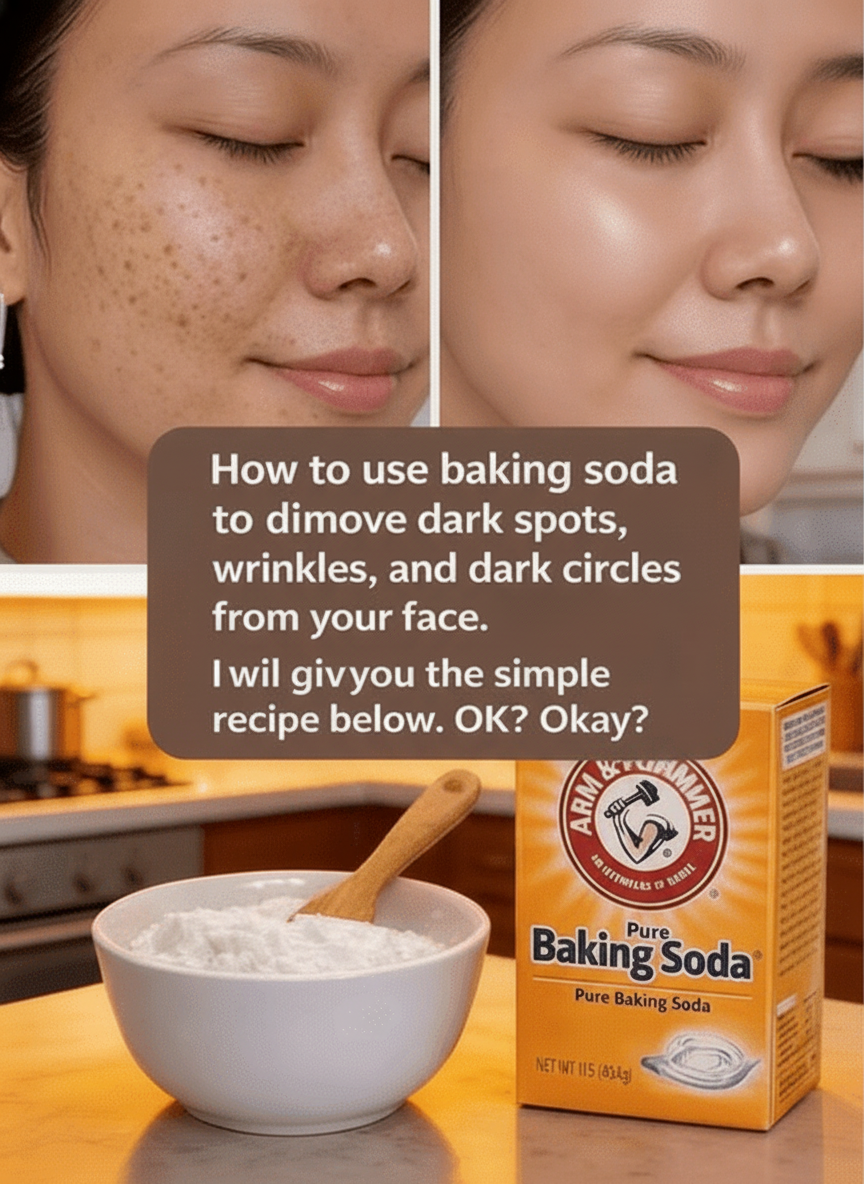
 The quest for a radiant complexion often leads individuals to explore various remedies, including readily available kitchen ingredients. From unexpected dark spots to persistent fine lines and a dull appearance, common skin concerns can subtly erode self-confidence. While the allure of a quick, natural beauty solution is strong, the internet abounds with conflicting advice, making it challenging to discern effective and safe practices. Among the most widely discussed DIY skincare ingredients is baking soda (sodium bicarbonate). Despite its popularity, a clear understanding of its true benefits and potential drawbacks for facial application remains elusive. Continue reading to discover how a straightforward approach can profoundly reshape your perspective on incorporating baking soda into your skincare regimen.
The Rise of Baking Soda in DIY Skincare
Known scientifically as sodium bicarbonate, baking soda is a ubiquitous household staple cherished for its versatility in baking, cleaning, and neutralizing odors. Its journey into the realm of skincare began as enthusiasts noted its fine, abrasive texture and slightly alkaline nature, leading to its adoption in various homemade beauty recipes. Proponents often suggest that baking soda possesses properties that could:
- Provide gentle physical exfoliation for dull complexions
- Assist in regulating surface oil production
- Contribute to a more even-toned appearance
- Promote a visibly cleaner and refreshed skin look
However, it’s crucial to temper expectations: baking soda is not a miraculous skincare solution. While it might offer supplementary benefits when integrated thoughtfully into a routine, its improper or excessive application carries a significant risk of compromising the skin’s delicate protective barrier. This common misuse is precisely where many individuals encounter adverse effects.
Understanding Baking Soda’s Impact on Your Skin
Before considering baking soda for your facial regimen, it’s vital to grasp its fundamental interaction with the skin’s natural physiology, particularly its pH balance.
Skin’s Natural pH Balance
Our skin maintains a slightly acidic pH level, typically ranging from 4.5 to 5.5. This acidic mantle is fundamental for supporting the skin barrier, a critical defense mechanism that locks in moisture and protects against environmental aggressors and pathogens. In stark contrast, baking soda is notably alkaline, with a pH of approximately 9. Introducing such a high alkaline substance to the skin, especially with frequent or concentrated application, can temporarily disrupt this delicate natural pH balance.
Extensive dermatological research consistently emphasizes the paramount importance of an intact skin barrier for optimal comfort, sustained hydration, and a healthy overall appearance. Compromising this barrier can lead to a cascade of issues, including increased dryness, heightened sensitivity, and irritation for some individuals. Nevertheless, this doesn’t necessitate a complete ban on baking soda; rather, it underscores the critical importance of moderation and precise application methods.
Exploring Potential Cosmetic Benefits of Baking Soda
When applied judiciously and infrequently, baking soda might offer temporary cosmetic improvements for specific skincare objectives. It’s essential to approach these potential benefits with realistic expectations, understanding that they are often superficial and short-lived.
1. Mild Physical Exfoliation
The finely granular texture of baking soda allows it to act as a mild physical exfoliant. This mechanical action can help dislodge dead skin cells and surface impurities, potentially resulting in skin that feels perceptibly smoother and appears momentarily more luminous. Individuals sometimes incorporate it as a gentle exfoliating step to:
- Revitalize the appearance of dull skin
- Aid in the removal of superficial excess oil
- Visibly minimize the look of congested pores
Crucial caveat: Over-exfoliation, particularly with abrasive substances like baking soda, can easily provoke irritation, micro-tears, and compromise the skin barrier. In this context, the principle of “less is more” is paramount.
2. Support for Oil Management
Given its absorbent qualities, baking soda may temporarily mitigate excessive oiliness on the skin’s surface. This transient effect can be appealing for those with:
- Naturally oily or combination skin complexions
- Areas prone to shine, such as the T-zone
- Infrequent, targeted deep-cleansing applications
3. Transient Brightening of Skin Tone
Following a gentle exfoliating session, the skin’s surface can appear more refined and uniform. This can create a visual impression of a brighter, more even skin tone and a temporary reduction in the prominence of dark spots. It is vital to reiterate that this “brightening” is a cosmetic, temporary illusion and does not represent a lasting physiological alteration to the skin.
Critical Risks and Considerations for Facial Application
This section addresses the often-overlooked downsides of using baking soda, a topic frequently omitted in enthusiastic DIY skincare advice. It’s imperative to remember that baking soda is not engineered or dermatologically tested for facial skin application; its incorrect use can precipitate significant discomfort and damage.
Potential Adverse Effects:
- Excessive Dryness: Regular or heavy application can strip the skin of its natural, protective oils, leading to severe dehydration and a compromised moisture barrier.
- Heightened Sensitivity: Individuals with inherently delicate or thin skin are particularly susceptible to increased sensitivity, stinging, or burning sensations.
- Erythema (Redness): Applying baking soda too frequently or with excessive friction can easily trigger noticeable redness and inflammation.
- Skin Barrier Compromise: Persistent use is highly likely to disrupt the skin’s natural acidic mantle and protective barrier, making it vulnerable to environmental damage, infections, and chronic irritation.
Leading dermatological experts consistently underscore that preserving the integrity of the skin’s protective barrier is non-negotiable for sustained skin health, comfort, and aesthetic quality. Therefore, rather than considering baking soda as a daily facial treatment, it should, at best, be viewed as an extremely infrequent and cautious supplementary step.
Who Should Absolutely Avoid Using Baking Soda on Their Face?
Given its potent alkaline nature and abrasive texture, baking soda is categorically unsuitable for certain skin types and conditions. It is strongly advised to completely refrain from using baking soda on your face if you experience any of the following:
- Extremely Sensitive Skin: Skin that reacts easily to new products, fragrances, or environmental changes.
- Rosacea-Prone Skin: Individuals with rosacea, which involves chronic redness, visible blood vessels, and sensitivity, will likely experience severe flare-ups and irritation.
- Active Acne or Breakouts: While some believe it helps with acne, baking soda can further inflame existing blemishes, disrupt the skin barrier, and worsen breakouts by interfering with the skin’s natural healing process.
- Compromised Skin Barrier: If your skin feels tight, dry, flaky, or is prone to irritation, its barrier is already weakened, and baking soda will exacerbate these issues.
- Eczema or Psoriasis: These inflammatory skin conditions are highly sensitive to pH changes and irritants, making baking soda a definite contraindication.
- Sunburned or Irritated Skin: Applying baking soda to already damaged or inflamed skin will intensify discomfort and hinder recovery.
- Using Prescription Topical Medications: Baking soda can interfere with the efficacy or cause adverse reactions with active ingredients in prescribed skincare treatments.
The Safest Approach: Informed Choices and Professional Guidance
The allure of natural, accessible skincare remedies like baking soda is understandable. However, as this guide illustrates, while baking soda might offer fleeting cosmetic benefits under very specific and cautious circumstances, its potential for harm, particularly due to its high alkalinity and abrasive nature, far outweighs any perceived advantages for most individuals. The “simple habit” that can truly transform your skincare routine isn’t a miraculous ingredient, but rather a commitment to understanding your skin’s unique needs, prioritizing its natural barrier, and seeking professional dermatological advice. Before introducing any new ingredient, especially one as potent as baking soda, always perform a patch test and consult with a skincare professional to ensure it aligns with your skin health goals without compromising its integrity. True beauty stems from healthy, balanced skin, nurtured by informed and gentle care, not quick fixes.