 By admin
 Cervical Cancer: 9 Crucial Early Warning Signs Women Often Overlook – Why Awareness is Vital
Imagine navigating your daily life, easily dismissing subtle shifts in your body as mere stress or the natural process of aging. What if these seemingly minor changes were actually quiet signals of something far more serious, like cervical cancer? Such overlooked indicators can accumulate silently, potentially leading to avoidable anxiety and significant health risks if ignored. This not only impacts your physical well-being but also your peace of mind and personal relationships.
However, by recognizing these early signs, you can proactively take straightforward steps towards better health outcomes and personal empowerment. Stay tuned to discover a surprising truth about prevention that could fundamentally change your approach to routine health check-ups.
Understanding Cervical Cancer: Essential Insights
Cervical cancer originates in the cells lining the cervix, which is the lower, narrow part of the uterus connecting to the vagina. It is predominantly linked to persistent infection with specific strains of the human papillomavirus (HPV), a common virus transmitted through sexual contact. Extensive research, including studies from organizations like the World Health Organization (WHO), confirms that nearly all cases of cervical cancer are associated with HPV. However, it’s crucial to understand that not every individual infected with the virus will develop cancer.
Here’s the critical point: early detection through regular screening significantly improves prognosis. According to the Centers for Disease Control and Prevention (CDC), cervical cancer stands out as one of the most preventable cancers, thanks to effective tools like Pap tests and HPV vaccines. Despite these advancements, many women postpone essential check-ups, often due to demanding schedules or a lack of awareness regarding their importance. This is precisely where understanding the early warning signs becomes invaluable. Initially, these symptoms might appear insignificant, often mimicking other common health concerns such as infections or hormonal fluctuations. Yet, paying close attention to them can prompt timely medical consultation and intervention.
Why Early Warning Signs Are Frequently Missed
Modern women skillfully manage a multitude of responsibilities, from professional commitments to family care, making it all too easy to overlook or rationalize changes in their bodies. Data indicates that a substantial proportion of cervical cancer cases—up to 50%—are diagnosed at later stages, primarily because initial symptoms are subtle or misattributed to less severe conditions, as highlighted by the American Cancer Society.
Socioeconomic factors also play a significant role. Access to comprehensive healthcare varies widely, and some women may not have the opportunity for regular gynecological examinations. Research published in the Journal of Women’s Health underscores that targeted education on symptoms can effectively bridge this critical gap. Furthermore, hormonal shifts during perimenopause or the postpartum period can mask these vital signs, leading to further diagnostic delays. The key to early detection lies in recognizing patterns that deviate from your personal baseline of normal health.
The 9 Early Warning Signs to Monitor
Let’s delve into the specifics. Below, we’ll detail five common early indicators, drawing insights from highly reputable sources such as the Mayo Clinic and the CDC. Remember, these signs are not definitive diagnoses but rather compelling reasons to seek immediate consultation with a healthcare professional.
1. Unusual Vaginal Bleeding
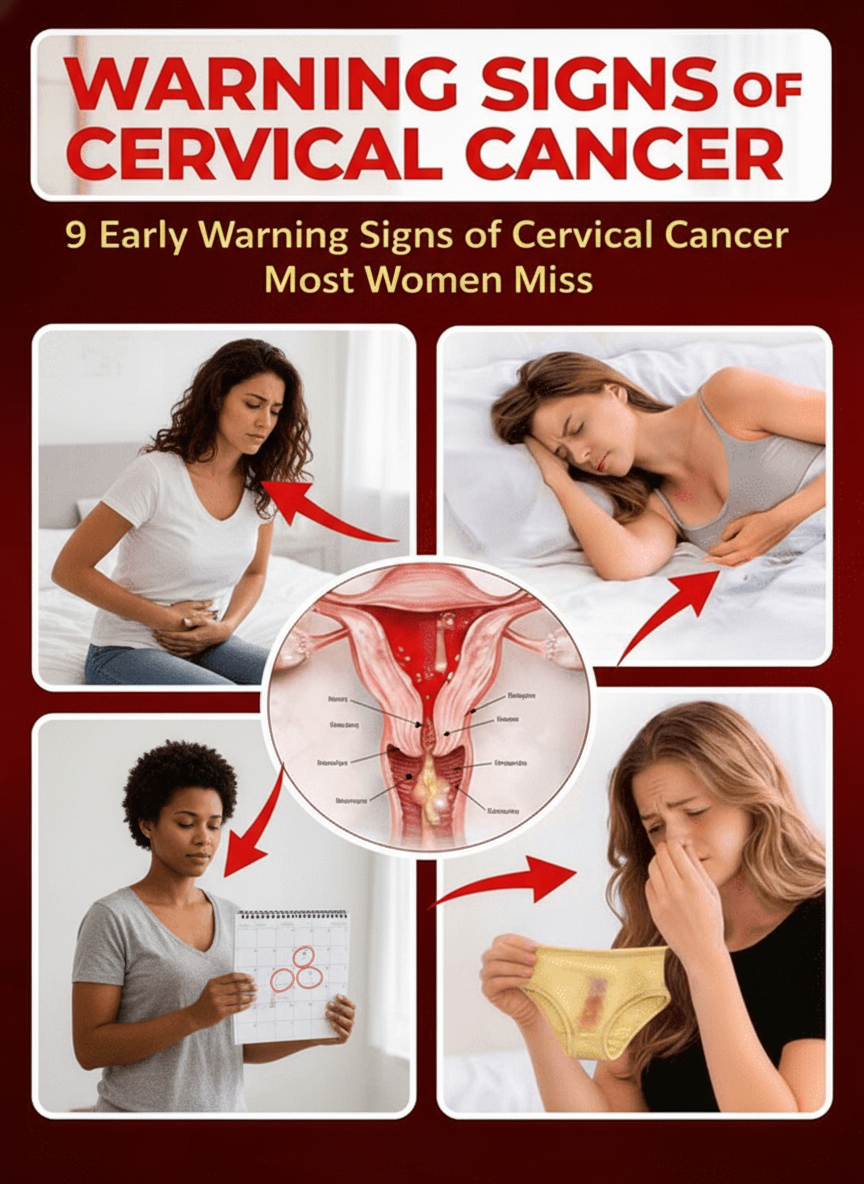
One of the most frequently reported signs is vaginal bleeding that falls outside your typical menstrual cycle. This can manifest as spotting after sexual intercourse, bleeding between periods, or even any bleeding occurring after menopause. Why does this happen? As cancerous cells grow, they can irritate and damage blood vessels within the cervix. A study from the International Journal of Cancer indicates that this symptom is present in approximately 70% of early-stage cases. If you observe such bleeding, diligently track its occurrences in a journal. While it might prove to be benign, detailed documentation greatly assists your doctor in making an accurate assessment.
2. Changes in Vaginal Discharge
While normal vaginal discharge varies, it’s crucial to monitor for persistent changes, particularly if it becomes watery, bloody, or develops a foul odor. The volume of discharge might also increase, or its consistency could become unusual. According to WHO data, altered discharge is a significant symptom in progressing cases, often resulting from infection or the breakdown of abnormal cells. A helpful tip: pay close attention to the color and consistency. Typically, clear or white discharge is normal; however, pink or brown discharge warrants immediate medical attention.
3. Pain During Intercourse (Dyspareunia)
Experiencing discomfort or pain during sexual activity, medically termed dyspareunia, can be a potential indicator of cervical issues. This pain typically arises from inflammation or abnormal growths affecting the sensitive tissues of the cervix. The American Cancer Society reports this symptom in numerous early-stage cervical cancer patients. Moreover, this discomfort might linger after intercourse, distinguishing it from temporary soreness or friction.
4. Persistent Pelvic Pain
A dull, aching sensation in the lower abdomen or pelvis that does not subside could be a significant clue. Unlike menstrual cramps, this pain might feel constant and unremitting. Research suggests that persistent pelvic pain can be linked to the pressure exerted by a growing tumor on nearby organs. To aid your healthcare provider, track the intensity of this pain on a scale of 1 to 10.
5. Unexplained Fatigue That Doesn’t Improve with Rest
Feeling unusually exhausted despite adequate rest? Cervical cancer can lead to chronic bleeding, which in turn can cause anemia. Anemia reduces the oxygen-carrying capacity of your blood, resulting in pervasive fatigue and a general lack of energy. Studies from the National Cancer Institute confirm a strong link between unexplained, persistent fatigue and various forms of cancer, including cervical cancer, often due to blood loss and the body’s increased metabolic demands fighting the disease.