 By admin
 Banana Peels for Teeth Whitening: Unmasking the Truth Behind the Viral Trend
In the digital age, it’s increasingly common to encounter captivating videos showcasing individuals achieving seemingly miraculous teeth whitening results by simply rubbing the inner part of a banana peel on their teeth. This viral phenomenon promises a brilliant smile in mere moments. Many people experience the frustration of their once-lustrous teeth losing their sparkle, often due to daily consumption of coffee, tea, or red wine. These common culprits lead to the gradual accumulation of surface stains, which can subtly erode self-confidence with every glance in the mirror or captured photograph. Moreover, the allure of costly commercial whitening kits and strips often comes with the risk of disappointment – they can be harsh on sensitive gums, lighten your purse, and still fail to deliver the desired outcome. This is precisely where natural alternatives, such as the humble banana peel, capture public imagination and ignite curiosity across social platforms. Yet, the intriguing aspect lies in discerning the reality from the hype: while the promise of an effortless, natural fix is appealing, a closer examination reveals a blend of clever promotion, rudimentary scientific principles, and a few effective strategies. Stay with us, and by the end of this article, you’ll be equipped to distinguish genuine teeth whitening methods from mere fads, helping you achieve a truly brighter smile.
The Viral Buzz Around Banana Peels for Teeth Whitening
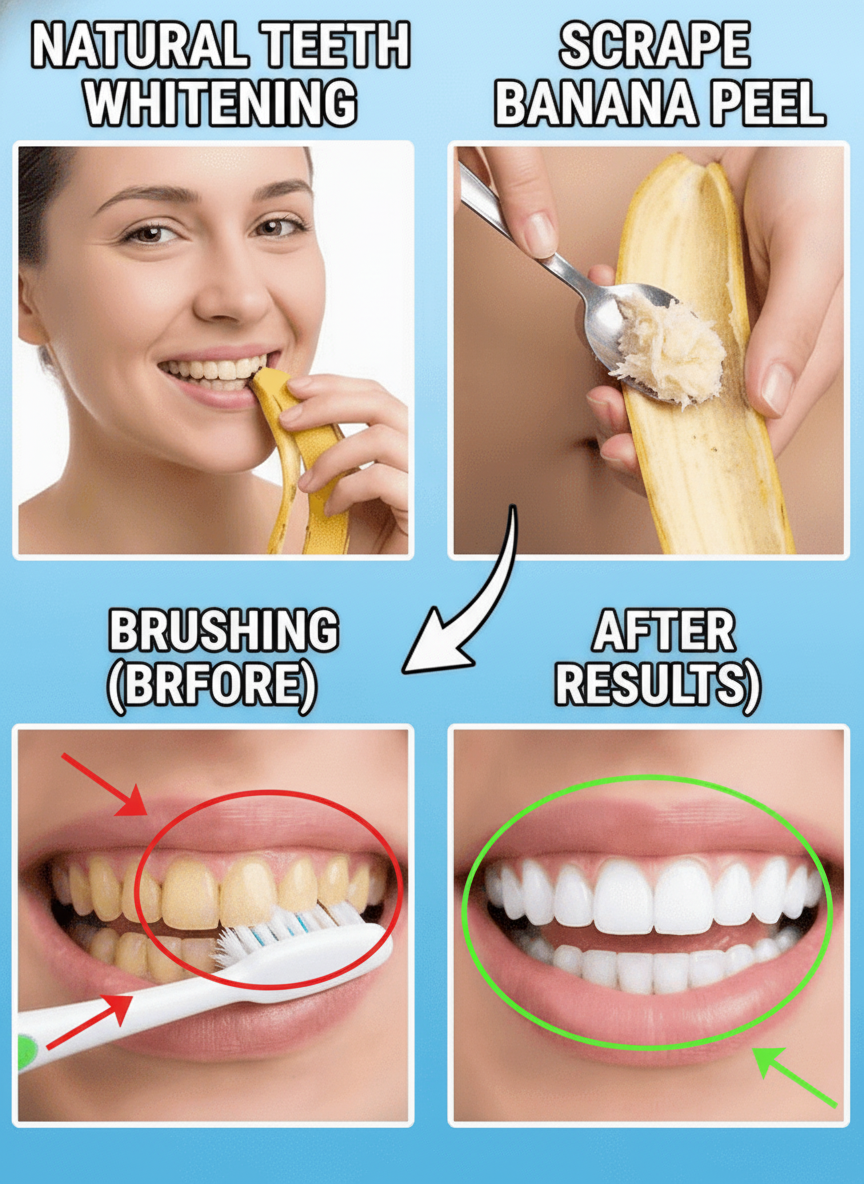
Social media platforms are awash with engaging before-and-after clips, boldly asserting that banana peels possess the power to transform yellowed teeth into dazzling pearly whites, sometimes even overnight. The purported method is remarkably straightforward: simply take a ripe banana, remove its skin, and gently rub the soft, fibrous interior directly onto your teeth for a couple of minutes. Enthusiastic proponents of this technique often vouch for its efficacy, claiming it not only removes tartar but also delivers rapid whitening results without the need for harsh chemicals. This particular notion gained significant traction through the influence of TikTok and Instagram personalities, frequently accompanied by dramatic visual testimonials of sparkling smiles. But what makes banana peels, specifically, the focus of such claims? The theory often points to their natural composition, which we will delve into further. If you’ve ever felt the urge to give this hack a try after witnessing those compelling claims, rest assured, you’re not alone – millions have pondered the same possibility. However, it’s crucial to remember that not every viral sensation withstands rigorous scrutiny.
Breaking Down the Science: Minerals in Banana Peels and Your Smile
Banana peels are indeed a natural reservoir of various everyday nutrients essential for overall bodily health. Within their fibrous structure, you’ll find notable concentrations of potassium—approximately 400 milligrams per peel—alongside magnesium, manganese, and a modest amount of dietary fiber. These elements are highly beneficial when ingested, contributing to numerous bodily functions from muscle contraction to bolstering bone density. The core claim regarding teeth whitening, however, posits that these minerals can somehow “absorb” into your tooth enamel, thereby neutralizing existing stains and lifting discoloration. Some theories even suggest that mild enzymes present in the peel might gently break down plaque buildup. This all sounds quite promising, doesn’t it? However, it’s vital to introduce a dose of reality. Extensive reviews from reputable dental organizations, including insights consistent with the American Dental Association (ADA), indicate a significant lack of robust clinical trials definitively proving that banana peels effectively whiten teeth. One laboratory study investigating natural remedies even observed that banana peel applications led to minimal, if any, color change—and in some instances, teeth appeared slightly yellower due to residual material. The peel’s soft texture might offer a gentle abrasive action, akin to brushing with a soft cloth, which could help dislodge loose surface stains. Yet, that is largely the extent of its capability. Unlike scientifically proven bleaching agents, banana peels simply do not possess the capacity to penetrate deep enough into the tooth structure to address intrinsic discoloration caused by aging or genetic factors. Moreover, while the buzz often spotlights “natural power,” the absence of concrete evidence implies that any perceived results are likely inconsistent, often leaning more towards a placebo effect than genuine whitening efficacy.
Claims vs. Evidence: A Quick Comparison
To provide absolute clarity on this topic, let’s juxtapose the widespread popular promises against the established facts from dental research:
| Aspect | The Hype Claim | What Science Shows |
|---|---|---|
| Speed of Results | Whitens in 2 minutes daily | No noticeable change in short-term tests; any effects would require weeks of consistent use, if at all. |
| Stain Removal | Erases tartar and deep yellowing | May reduce minor surface buildup through gentle friction, but is ineffective on stubborn or intrinsic stains. |
| Safety | Completely harmless and gentle | Generally safe, but residue can attract bacteria if not rinsed thoroughly after application. |
| Long-Term Impact | Builds enamel strength | Minerals support health when eaten, but topical application offers no proven benefits for enamel strengthening. |
This comparative table clearly illustrates why, for the vast majority of individuals, banana peels primarily fall into the “hype” category. Nevertheless, curiosity often prevails, so let’s briefly consider how one might approach this practice safely.
Is Banana Peel Whitening Safe?
For those curious enough to experiment with this viral trend, the reassuring news is that it generally poses a low risk to most individuals. Unlike highly acidic fruits such as lemons or strawberries, banana peels are not known to be acidic, meaning they are unlikely to contribute to enamel erosion or damage your teeth’s protective layer. However, while topical application is largely considered safe, it’s crucial to thoroughly rinse your mouth with water after using a banana peel. Failing to remove fruit residues could potentially attract bacteria, which isn’t beneficial for oral hygiene. Always prioritize good dental practices, regardless of the remedy you choose to explore.
Ultimately, while the appeal of a quick, natural fix for a brighter smile is undeniable, the scientific evidence overwhelmingly suggests that banana peels fall short as a reliable teeth whitening solution. Their potential benefits are largely limited to superficial polishing, removing only the loosest of surface stains through gentle abrasion, rather than actively whitening the tooth structure. For those genuinely seeking to improve the shade of their teeth, consulting a dental professional remains the most effective and safest approach. Dentists can offer proven methods, from professional cleanings to advanced in-office whitening treatments or prescription-strength at-home kits, ensuring results that are both visible and lasting. Embrace evidence-based dental care for a truly radiant and healthy smile.
”
}
“`