 By admin
 In an era dominated by digital screens, a growing number of people experience persistent eye strain, dryness, and fatigue. This constant visual demand often prompts a search for natural solutions to maintain optimal eye health. Among the diverse array of traditional herbal remedies, big-leaf milkweed, known botanically as Calotropis gigantea, has historically garnered attention in various cultures for its purported benefits in eye care. However, its story is nuanced, blending centuries of traditional application with important modern scientific insights and crucial safety warnings. This article aims to provide a comprehensive and balanced overview, exploring its historical significance, current understanding, and essential precautions.
Understanding Big-Leaf Milkweed: Botanical Profile and Cultural Roots
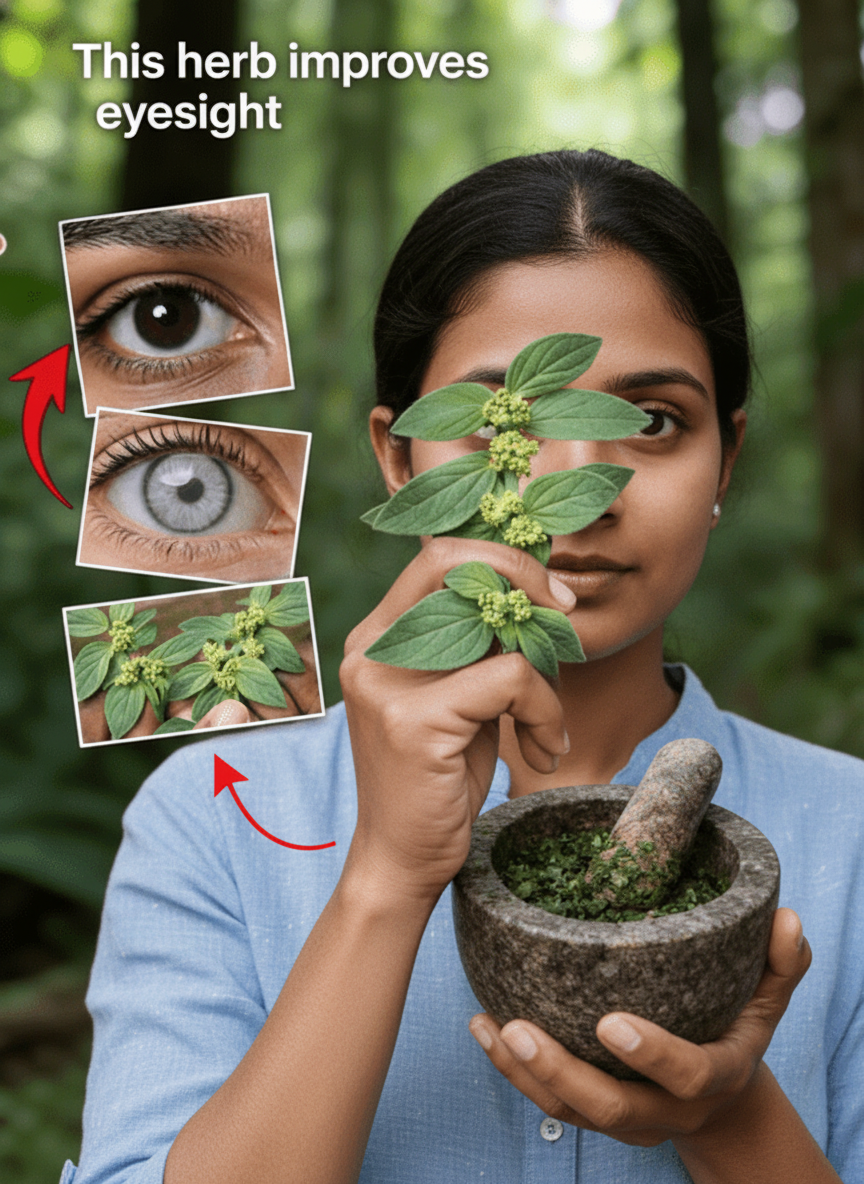
Known scientifically as Calotropis gigantea, big-leaf milkweed is an impressive shrub indigenous to tropical and subtropical regions across Asia and Africa. A member of the Apocynaceae family, this robust plant is easily identified by its distinctive large, velvety, gray-green leaves and striking clusters of lavender or white, crown-like flowers. A hallmark of the plant is its characteristic milky latex sap, a substance that has played a central role in numerous traditional healing practices throughout history.
Thriving in warm, arid environments, Calotropis gigantea can reach heights of up to 15 feet when mature. Its adaptability allows it to flourish in diverse settings, from arid wastelands and roadsides to open fields, making it readily available to many rural populations. Across different cultures and geographies, this versatile plant is also affectionately referred to by common names such as “crown flower” or “giant milkweed,” reflecting its prominent appearance and widespread recognition.
For centuries, various parts of the big-leaf milkweed—including its potent latex, broad leaves, and fibrous roots—have been integral to folk medicine traditions. Beyond its medicinal applications, the plant holds deep cultural and spiritual significance in certain areas, particularly in religious ceremonies where its beautiful flowers are frequently used as offerings.
Big-Leaf Milkweed in Traditional Eye Care: A Historical Perspective
Within ancient healing systems, most notably Ayurveda, Calotropis gigantea has been documented for its perceived efficacy in managing various ocular ailments. Historical scriptures and ethnobotanical records detail the application of different plant components in remedies targeting conditions like inflammation, conjunctivitis, and minor infections affecting the eyes. For example, the plant’s distinctive latex was traditionally diluted and applied to relieve slight irritations, while its leaves were often macerated and fashioned into poultices for their purported soothing properties.
Across communities in India and various regions of Africa, big-leaf milkweed has been integrated into traditional herbal eye washes and drops. Practitioners believed these preparations could promote overall eye comfort and well-being. The sap, in particular, was thought to possess cleansing attributes and help mitigate discomfort arising from environmental irritants. Below is a summary of its documented traditional applications in eye care:
- Diluted Latex for External Application: Historically, the milky sap, in highly diluted forms, was occasionally employed as an eye rinse in traditional folk remedies, intended to alleviate minor discomfort.
- Leaf Poultices: Crushed fresh leaves were commonly applied as poultices around the eyes, believed to offer soothing relief for inflamed or irritated areas.
- Root Decoctions: The roots were often boiled to produce decoctions or infusions, which were consumed for general systemic wellness, with a perceived secondary benefit for eye health.
It’s worth noting that while Calotropis gigantea is generally abundant in its native habitats, sustainable harvesting practices are crucial to prevent overexploitation and protect local biodiversity. However, the narrative surrounding this potent herb takes a more intricate turn when we consider the perspectives offered by modern scientific research.
Big-Leaf Milkweed: Bridging Traditional Claims with Scientific Scrutiny
Contemporary scientific inquiry has delved into the complex phytochemistry of big-leaf milkweed, uncovering a spectrum of bioactive compounds, including cardenolides. Laboratory studies (in vitro) have indicated that certain extracts may possess anti-inflammatory properties, aligning with some traditional uses. Regarding specific eye health applications, limited investigations have sought to validate historical claims. Early research hints at potential antimicrobial efficacy against particular bacterial strains, which could partially explain its traditional application in treating eye infections. Nevertheless, it is imperative to note that much of this evidence stems from isolated cell studies or animal models, not comprehensive human clinical trials.
While some intriguing studies have explored the latex of Calotropis gigantea, suggesting effects analogous to conventional anti-inflammatory agents, these findings are often inconsistent or preliminary. Experts consistently emphasize that despite a rich history in ethnobotanical practices for ocular concerns, definitive, robust clinical evidence supporting the efficacy and safety of big-leaf milkweed for human eye health is conspicuously lacking. The majority of current understanding is derived from cultural records and preliminary lab work, rather than peer-reviewed, controlled scientific experiments.
Critical Safety Warnings and Precautions for Big-Leaf Milkweed Use
A thorough discussion of big-leaf milkweed would be irresponsible without a strong emphasis on its significant safety risks. The plant’s milky latex sap is highly irritating and can cause severe adverse reactions if it comes into contact with sensitive tissues, especially the eyes. Numerous documented cases report instances where accidental ocular exposure to the sap resulted in acute discomfort, characterized by symptoms such as intense burning, swelling, redness, and even temporary vision impairment. Scientific investigations have further confirmed that the sap can induce corneal damage, including edema and inflammatory responses, particularly in susceptible individuals. Consequently, health professionals and ethnobotanists alike issue stern warnings against direct application or contact, especially near the delicate eye area. To minimize potential risks, always adhere to the following precautions:
- Never apply the latex directly to the eyes or skin without extreme dilution and professional guidance. Even diluted forms can be dangerous.
- Always wear protective eyewear and gloves when handling any part of the Calotropis gigantea plant, especially when sap might be released.
- Wash hands thoroughly with soap and water immediately after contact with the plant.
- Keep the plant out of reach of children and pets, as ingestion or contact can be toxic.
- Seek immediate medical attention if sap comes into contact with your eyes or if any adverse reaction occurs.
- Consult a qualified healthcare professional or ophthalmologist before considering any herbal remedy for eye conditions, especially those involving potent plants like big-leaf milkweed. Self-medication with this plant is strongly discouraged.
A Balanced Perspective: Tradition Meets Modern Caution
While big-leaf milkweed (Calotropis gigantea) holds a fascinating place in the annals of traditional herbal medicine, particularly concerning eye care in various cultures, its historical use is tempered by significant modern safety concerns. The plant’s potent latex, though central to its traditional applications, poses considerable risks, including severe eye irritation and potential damage. As with many powerful botanical remedies, the line between therapeutic benefit and toxicity can be fine.
Therefore, while appreciating its ethnobotanical heritage, it is paramount to prioritize safety. For any eye-related concerns, consulting a qualified medical professional is always the safest and most recommended course of action. Relying solely on traditional remedies, especially those with known irritants, without professional guidance is strongly advised against. Embrace natural solutions, but do so with informed caution and expert oversight to safeguard your precious vision.