 By admin
 Baking Soda in Skincare: A Gentle Approach for Dark Spots, Fine Lines, and Under-Eye Concerns
Many individuals quietly grapple with common skin issues like persistent dark spots, an uneven skin tone, or the tell-tale signs of fatigue manifested as under-eye shadows. When faced with an overwhelming array of specialized creams and complex skincare regimens, it’s natural to seek simpler solutions, often found in everyday household ingredients. Baking soda, or sodium bicarbonate, frequently surfaces in discussions about DIY beauty. However, the key lies in understanding how to incorporate it safely and effectively into a skincare routine, if at all.
Interestingly, when used with extreme caution and combined with other mild ingredients, this common kitchen staple might find a place in a minimalist skincare approach in unexpected ways. By the conclusion of this guide, you’ll also uncover a crucial piece of advice that many tend to overlook when exploring simple, homemade skincare methods.
Why Baking Soda Features in DIY Skincare Discussions
Baking soda (chemically known as sodium bicarbonate) is widely recognized for its roles in cooking and cleaning. Yet, its fine, powdery texture has led some to consider it for occasional exfoliation routines. Here are the primary reasons why it sometimes appears in homemade skincare recipes:
- Mild Exfoliating Texture: Its fine granules can help gently slough away dead skin cells and surface buildup, contributing to a smoother complexion.
- Oil-Absorbing Properties: It may temporarily absorb excess oil, potentially reducing unwanted shine.
- Accessibility and Affordability: As a simple, widely available, and inexpensive ingredient, it’s an attractive option for budget-conscious DIY enthusiasts.
However, this isn’t the complete picture. It’s vital to understand that skincare experts generally advise against its frequent or undiluted use. Baking soda possesses an alkaline pH, which is significantly different from the skin’s naturally acidic balance (the skin’s acid mantle). Disrupting this balance can lead to irritation and compromise the skin barrier. Therefore, if chosen, it should be used very carefully, diluted with other gentle ingredients, and strictly as an occasional exfoliation step, rather than a daily treatment.
Understanding Common Skin Concerns: Dark Spots, Fine Lines, and Under-Eye Shadows
Before exploring any skincare regimen, it’s beneficial to grasp the underlying causes of these prevalent skin concerns. Addressing the root causes can lead to more effective management.
Dark Spots (Hyperpigmentation)
These discolored patches, often referred to as hyperpigmentation, can develop due to several factors:
- Sun Exposure: Prolonged exposure to UV rays can stimulate melanin production, leading to sunspots.
- Post-Acne Marks: Inflammation from acne breakouts can leave behind persistent dark marks.
- Hormonal Changes: Conditions like melasma are often triggered by hormonal fluctuations.
- Skin Irritation: Any form of skin trauma or inflammation can result in post-inflammatory hyperpigmentation.
Fine Lines
These subtle creases, often an early sign of aging, typically arise from:
- Natural Aging Process: As we age, collagen and elastin production decreases, leading to loss of skin elasticity.
- Sun Exposure: UV radiation accelerates collagen breakdown, contributing to premature aging.
- Dehydrated Skin: Lack of moisture can make existing lines more prominent.
- Repeated Facial Expressions: Consistent muscle movements, like squinting or smiling, can etch lines into the skin over time.
Under-Eye Shadows (Dark Circles)
The appearance of dark circles under the eyes can be linked to various factors, making the area look tired or hollow:
- Fatigue or Poor Sleep: Lack of rest can make blood vessels more prominent under thin skin.
- Thin Skin: The skin around the eyes is exceptionally delicate, making underlying blood vessels more visible.
- Genetics: Some individuals are genetically predisposed to thinner skin or more prominent blood vessels in this area.
- Fluid Retention: Swelling can cast shadows, exacerbating the appearance of darkness.
According to dermatology research published in reputable journals, such as the Journal of Clinical and Aesthetic Dermatology, consistent gentle exfoliation and effective hydration routines can contribute to improving the overall appearance of uneven skin tone and texture over time. This scientific backing leads us to practical considerations for a DIY approach.
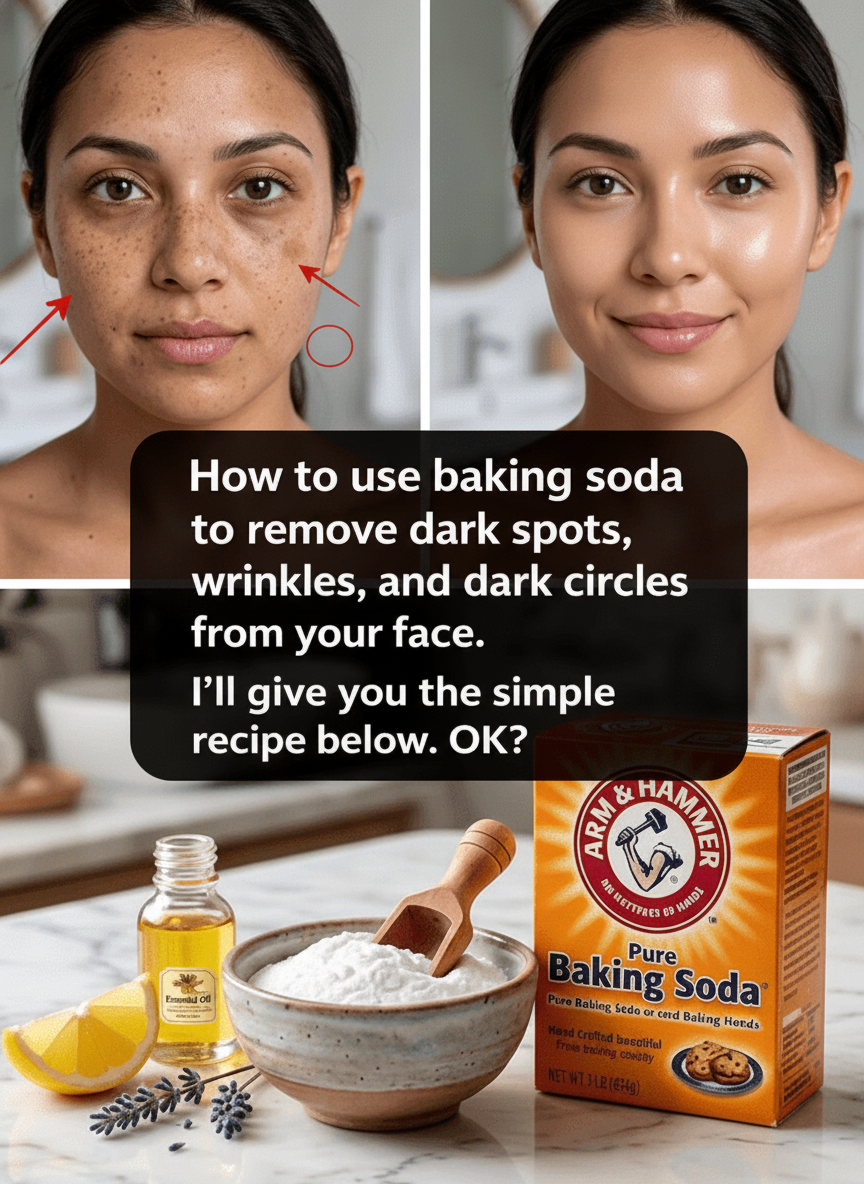
A Gentle Baking Soda Skincare Method Some People Explore
Before attempting any homemade skincare routine, it is paramount to remember the importance of conducting a patch test. Apply a small amount of the mixture to an inconspicuous area of your skin (e.g., behind the ear or on the inner forearm) and wait 24-48 hours to check for any adverse reactions. Here’s a simple approach some individuals choose to follow when cautiously incorporating baking soda into their skincare regimen:
Ingredients
- 1 teaspoon baking soda
- 1 teaspoon honey or aloe vera gel (These are often chosen for their moisturizing and soothing properties.)
- A few drops of water (optional, to achieve desired consistency)
Step-by-Step Method
- Prepare the Mixture: In a small, clean bowl, combine the baking soda with either honey or aloe vera gel. Add a few drops of water if needed, stirring until a soft, consistent paste forms.
- Cleanse Your Face: Begin by washing your face thoroughly with a mild, gentle cleanser. Pat your skin dry with a soft towel.
- Apply Lightly: Using clean fingertips, carefully spread a thin layer of the paste across the target areas of your face, strictly avoiding the delicate eye area and any broken or irritated skin.
- Massage Gently: With light, circular motions, massage the mixture onto your skin for approximately 20–30 seconds. This action helps to gently dislodge surface impurities and dead skin cells.
- Rinse Thoroughly: Wash off the paste completely with lukewarm water, ensuring no residue remains on your skin.
- Moisturize Post-Treatment: Gently pat your skin dry with a soft towel, then immediately apply a hydrating, non-comedogenic moisturizer to support and replenish your skin’s natural barrier.
And here lies a critical detail that many individuals often overlook when trying DIY skin remedies.
The Golden Rule: Use It Sparingly, Not Daily
Skincare professionals consistently emphasize that excessive or aggressive exfoliation can severely disrupt the skin’s protective barrier, leading to increased sensitivity, dryness, and potential irritation. Therefore, if one opts to try baking soda in a skincare routine, a highly cautious and mindful approach is indispensable. This might include:
- Infrequent Application: Using it no more than once every 1–2 weeks, allowing ample time for the skin to recover.
- Dilution is Key: Always mixing it with soothing, moisturizing ingredients like honey or aloe vera to temper its alkalinity.
- Avoid Compromised Skin: Never applying it to broken, inflamed, or highly sensitive skin areas.
Beyond these precautions, some individuals also combine baking soda with other natural ingredients in their simple routines to enhance perceived benefits.
Popular Ingredient Pairings People Use with Baking Soda
Here are a few common combinations frequently mentioned within DIY skincare communities. It’s important to note that while these pairings are popular, individual skin reactions can vary greatly, and caution is always advised.
- Honey: A natural humectant, meaning it attracts and retains moisture. When combined with baking soda, it helps create a hydrating and softening mask. (e.g., Baking soda + honey mask)
- Aloe Vera: Widely recognized for its soothing, anti-inflammatory, and healing properties. Mixing it with baking soda can create a gentle, calming gel mask. (e.g., Baking soda + aloe gel)
- Lemon Juice: Often included in DIY routines for its perceived brightening effects due to citric acid. However, lemon juice can be highly photosensitizing and irritating, especially on sensitive skin, and should be used with extreme caution or avoided. (e.g., Baking soda + a few drops of lemon juice)
- Coconut Oil: Known for its emollient properties, it adds moisture to dry skin. When combined with baking soda, it forms a more emollient scrub. (e.g., Baking soda + coconut oil scrub)
It is crucial to remember that individuals with sensitive skin types or those prone to reactions may find simpler mixtures with fewer ingredients to be safer and more tolerable. When in doubt, always err on the side of caution.
Ultimately, while the allure of simple, natural remedies from the kitchen can be strong, prioritizing your skin’s health and integrity is paramount. For persistent skin concerns, or before introducing any new potent ingredients into your regimen, consulting with a board-certified dermatologist is always recommended to ensure safety and efficacy tailored to your unique skin needs.