 By admin
 As we age, it’s common to experience subtle changes like back stiffness, a gradual shift in posture, or even a feeling of reduced stability while walking. While many attribute these shifts solely to the natural aging process, they can often be crucial indicators of underlying bone strength and overall spinal health. Over time, diminished bone integrity can compromise the spine’s ability to adequately support the body, frequently resulting in discomfort or the development of a forward-leaning posture. The good news is that incorporating simple, consistent daily habits – often overlooked – can significantly contribute to maintaining robust bones and a healthier, more resilient spine throughout life.
Understanding Your Spine: The Foundation of Movement and Health
Far more than just a series of bones, your spine serves as the body’s fundamental support system. It enables effortless upright posture, facilitates a wide range of motion, and critically safeguards the spinal cord – the vital communication pathway between your brain and every other part of your body. A truly healthy spine is characterized by several key attributes:
- Balanced Posture: Allowing for optimal alignment and weight distribution.
- Flexible Mobility: Supporting a full spectrum of movements without restriction.
- Stable Vertebrae: The individual bones forming the spinal column remain strong and properly aligned.
- Robust Supporting Muscles: Strong muscles provide essential stability and protection.
When these components function harmoniously, everyday actions such as walking, bending, or reaching are performed with ease and comfort. However, as the years progress, alterations in bone density can significantly impact the spine’s structural integrity. This brings us to a critical condition that often undermines spinal health.
Understanding Osteoporosis: The Silent Threat to Bone Strength
Osteoporosis is characterized by a progressive weakening of bones, making them increasingly porous and susceptible to fractures over time. Reputable organizations like the International Osteoporosis Foundation confirm that bone mass naturally diminishes with advancing age, particularly post-midlife. This reduction in bone density profoundly affects the spine, as its vertebrae bear the constant load of body weight. While often subtle, common indicators of reduced bone density can include:
- A noticeable, gradual reduction in overall height.
- The development of a stooped or excessively curved forward posture.
- Increased discomfort or tenderness in the back region.
- An elevated susceptibility to bone fractures, even from minor impacts or falls.
Crucially, these changes frequently go unnoticed for extended periods. Indeed, bone density can silently erode for many years before any overt symptoms manifest, making early awareness and preventive measures vital.
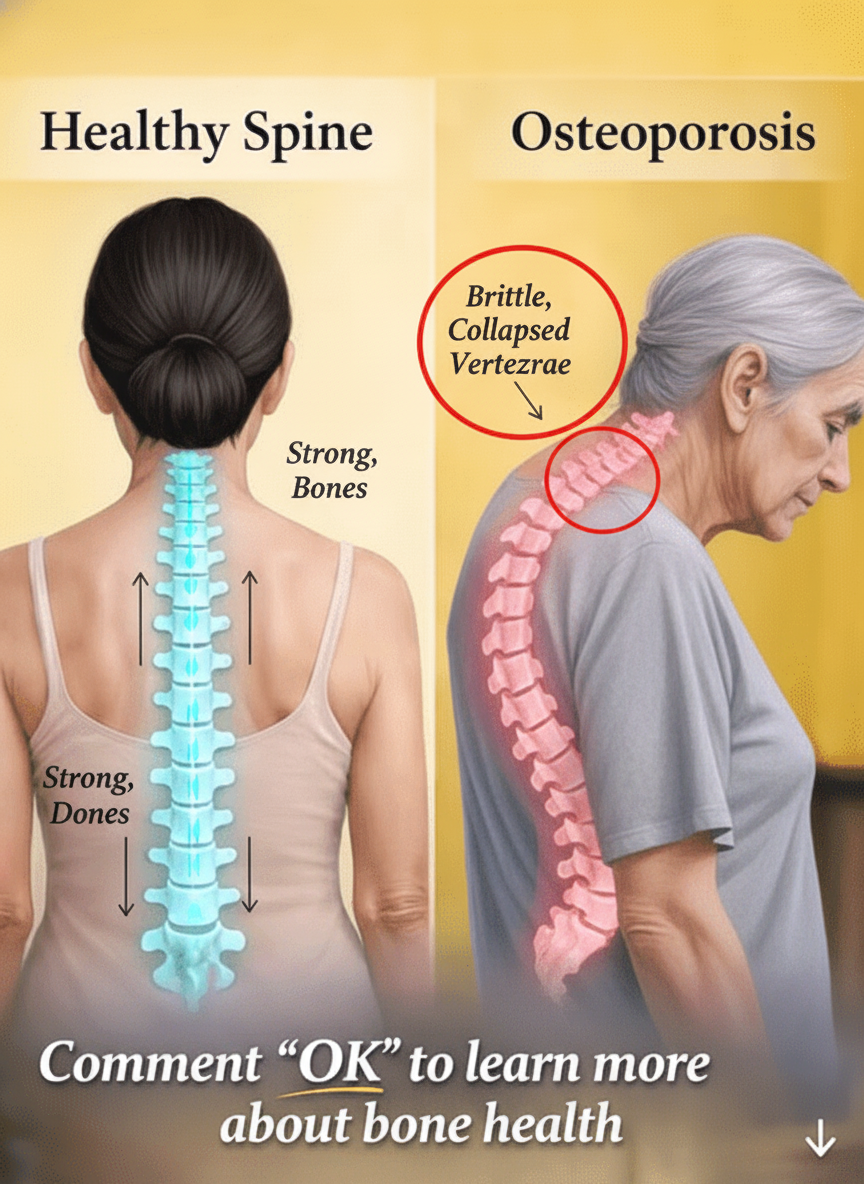
Healthy Spine vs. Osteoporosis: A Comparative Overview
Grasping the fundamental distinctions between a robust spine and one compromised by weakened bones is crucial for appreciating the significance of proactive prevention. The following comparison highlights key differences:
| Feature | Healthy Spine | Spine Affected by Low Bone Density |
|---|---|---|
| Posture | Upright, naturally balanced, and aligned. | Often appears stooped, excessively curved, or hunched forward. |
| Bone Strength | Dense, resilient, and highly resistant to stress. | Bones are thinner, fragile, and more prone to damage. |
| Mobility | Flexible, fluid, and stable movement. | Movement may feel restricted, stiff, or painful. |
| Comfort | Generally experiences minimal or no daily discomfort. | Frequent or persistent back discomfort and pain may be present. |
It’s important to note that while this comparison illustrates potential differences, changes in posture do not automatically confirm underlying bone issues. Nevertheless, optimal bone health undeniably plays a paramount role in maintaining proper spinal alignment and function. And here’s a crucial insight many individuals tend to overlook:
Lifestyle choices, surprisingly, exert a far greater influence on bone health than many realize.
The Dynamics of Bone Strength: Age-Related Changes Explained
Our bones are dynamic, living tissues that undergo a continuous cycle of breakdown and rebuilding. However, with advancing age, this vital remodeling process often decelerates. A variety of factors can contribute to the gradual decline in bone density over the years:
- Decreased Physical Activity: Lack of weight-bearing exercise weakens bones.
- Insufficient Calcium Intake: A critical mineral for bone structure.
- Inadequate Sunlight Exposure: Essential for Vitamin D synthesis, crucial for calcium absorption.
- Hormonal Fluctuations: Such as menopause in women, significantly impact bone metabolism.
- Inherent Aging Processes: The natural physiological changes that occur over time.
Compelling research, including studies featured in prestigious journals like Osteoporosis International, consistently highlights that proactive lifestyle interventions can effectively bolster bone strength, even during later stages of life. This underscores a pivotal truth:
Consistent, seemingly small daily habits possess the cumulative power to significantly enhance long-term spinal health.
Practical Daily Habits for a Resilient Spine and Stronger Bones
Nurturing your spine doesn’t require complex or demanding regimens. In fact, the most impactful strategies are typically straightforward and consistently applied. Below are several actionable steps widely recommended by health professionals:
1. Embrace Regular Physical Activity
Engaging in movement is fundamental for stimulating both bone density and muscular strength. Incorporate gentle yet effective activities into your daily routine, such as:
- Brisk walking or jogging.
- Low-impact strength training exercises.
- Regular stretching to enhance flexibility.
- Targeted balance exercises to improve stability.
Even brief, consistent periods of daily movement can significantly contribute to improved mobility and overall spinal well-being.
2. Prioritize Bone-Building Nutrients
For optimal structural integrity, bones depend on a consistent supply of specific nutrients. Key examples and their sources include:
- Calcium: Abundant in dairy products, dark leafy greens (like spinach and kale), and almonds.
- Vitamin D: Obtained through sensible sun exposure and fortified foods such as fatty fish.
- Magnesium: Found generously in nuts, seeds, and whole grains.
- Protein: Crucial for the development and repair of both bone and muscle tissues.
Consuming a well-rounded and balanced diet is paramount for comprehensive bone health.
3. Cultivate Mindful Posture Habits
Contemporary lifestyles, often involving prolonged periods of sitting or screen use, frequently contribute to poor postural habits. Consciously adopting better posture can make a substantial difference:
- Position screens (computers, phones) at an ergonomic eye level.
- Maintain a relaxed shoulder position, avoiding tension and hunching.
- Actively engage your core muscles for support when standing or sitting.
These seemingly minor adjustments can collectively lead to profound improvements in spinal