 By admin
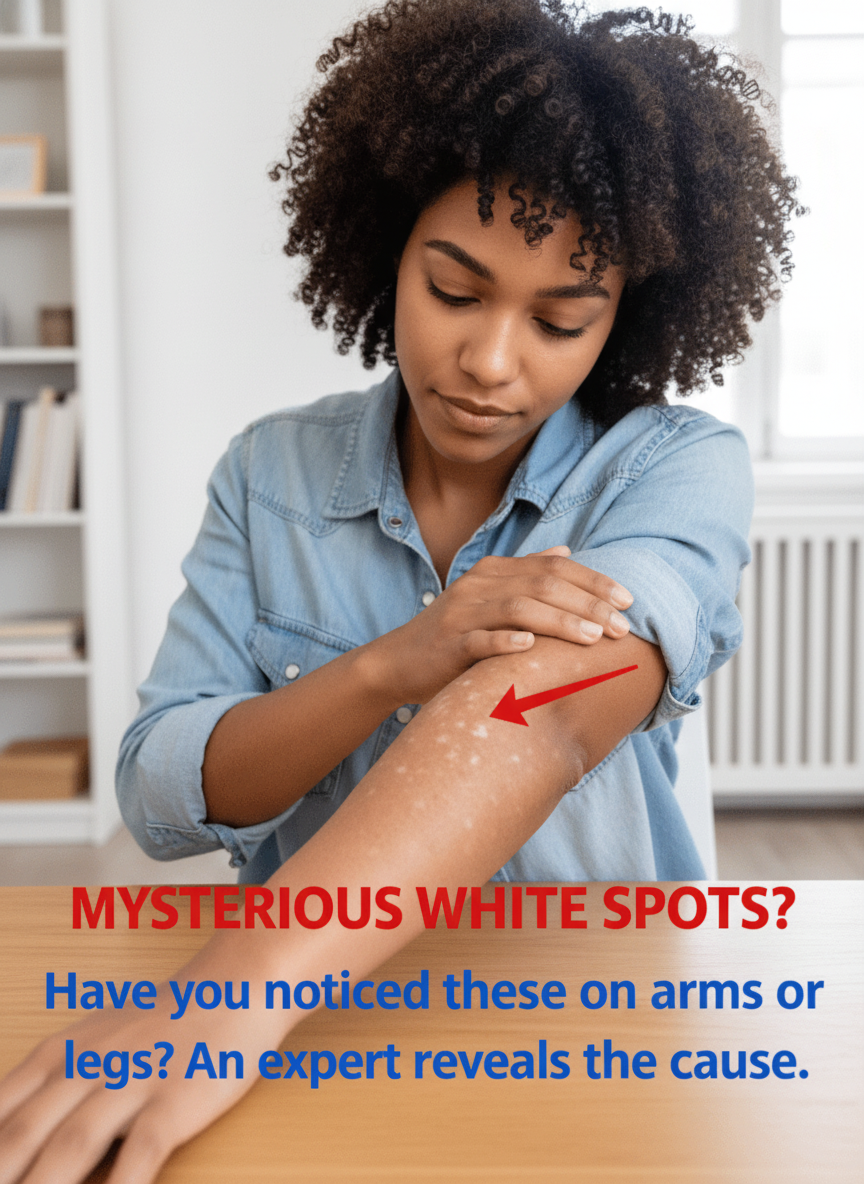
 It’s not uncommon to observe tiny white spots emerging on your arms or legs, prompting questions about their origin. Initially subtle, these small white spots on the skin can become more pronounced, particularly when exposed to sunlight. This often leads to concern, as individuals ponder whether these changes are benign or indicative of an underlying skin issue. The good news, as dermatological experts confirm, is that these spots are frequently tied to common, age-related skin processes. This article will demystify the potential causes of these white spots and outline practical skin care habits that can contribute to maintaining healthier-looking skin.
What Are Small White Spots on the Skin?
The appearance of small white spots on the arms or legs is a remarkably prevalent dermatological observation, particularly among adults and the elderly. Extensive dermatology research points to a variety of potential explanations, many of which involve alterations in how skin pigment functions over time. Frequently, these skin spots signify areas where melanin—the natural pigment dictating skin color—is produced in reduced quantities. When melanin synthesis diminishes in localized patches, the surrounding skin can appear comparatively darker, thus accentuating the visibility of the lighter areas. However, this isn’t the sole reason for such discoloration. Various other skin conditions can also lead to this visual effect, and distinguishing between them can alleviate undue concern.
Common Reasons Experts Say White Spots May Appear
1. Idiopathic Guttate Hypomelanosis (IGH)
Among the most frequently cited explanations by dermatologists is Idiopathic Guttate Hypomelanosis (IGH). This condition is characterized by the development of tiny, pale white spots, typically emerging on skin regions that experience significant sun exposure. Common locations include the arms, legs, shoulders, and upper back. These particular white spots on the skin are generally:
- Circular or oval-shaped
- Smooth and flat to the touch
- Asymptomatic, meaning they cause no itching or pain
Current research suggests a strong association between IGH and cumulative sun exposure over many years, alongside the natural process of skin aging. It’s crucial to understand that IGH spots tend to develop progressively with age and are overwhelmingly regarded as a benign cosmetic variation rather than a detrimental health concern.
2. Sun Exposure and Pigment Changes
Our skin continuously adapts to external environmental factors, with solar radiation playing a pivotal role. Prolonged and repeated sun exposure can significantly impact the functionality of melanin-producing cells (melanocytes). This can lead to an inconsistent distribution of pigment, where certain areas intensify melanin production, while others decrease it. Such uneven cellular activity often results in noticeable contrasts or discoloration on the skin’s surface. Dermatological studies consistently highlight that chronic UV exposure is a key contributor to these pigment irregularities, particularly evident in individuals with a history of extensive outdoor activity.
3. Mild Fungal Imbalance (Sometimes Called Tinea Versicolor)
A different potential culprit for white skin spots is a common yeast, Malassezia, which naturally resides on human skin. Under specific environmental conditions, this yeast can proliferate excessively, leading to the formation of lighter patches. These conditions often include:
- Humid or warm climates
- Profuse sweating
- Naturally oily skin types
These fungal-related spots, often referred to as Tinea Versicolor, commonly manifest on the arms, chest, back, and neck. They might present with a subtly dry or flaky texture. It’s important to remember that not all instances of white spots are attributable to this fungal overgrowth; therefore, seeking a professional dermatological assessment is advisable if these skin changes emerge suddenly or cause concern.
4. Skin Dryness and Texture Changes
Occasionally, the reason behind lighter skin patches is considerably simpler. Excessively dry skin can alter how light interacts with its surface, causing certain areas to appear lighter or duller compared to the surrounding skin. This phenomenon is frequently observed during:
- Significant seasonal weather shifts
- Regular exposure to hot showers
- Environments with low humidity
Prioritizing consistent skin hydration and moisturizing routines can significantly enhance the skin’s overall texture and appearance, often alleviating these lighter patches.
A Quick Comparison of Common White Spot Causes
| Possible Cause | Typical Appearance | Common Location | Additional Clues |
|---|---|---|---|
| Idiopathic Guttate Hypomelanosis (IGH) | Small, round, flat white spots | Arms, legs, shoulders | Often develops with age and sun exposure |
| Sun-Related Pigment Changes | Uneven, lighter patches or discoloration | Sun-exposed areas (arms, face, chest) | Directly linked to chronic UV exposure |
| Mild Fungal Imbalance (Tinea Versicolor) | Light patches, sometimes slightly dry or flaky | Chest, back, arms, neck | May worsen in warm, humid, or oily conditions |
| Skin Dryness | Dull, lighter, or rough textured areas | Anywhere on the body | Often improves significantly with regular moisturization |
Understanding these patterns can help you observe changes more clearly.
Why These Spots Often Become More Noticeable Over Time
It’s a common observation that these small white spots on the skin often become more prominent and noticeable later in life. This phenomenon can be attributed to several natural processes associated with skin aging:
- Less Uniform Melanin Production: As we age, the melanocytes (cells responsible for producing melanin) can become less efficient or uneven in their activity, leading to areas of reduced pigment.
- Slower Skin Cell Renewal: The natural turnover rate of skin cells diminishes with age. This slower renewal means that pigment irregularities persist longer on the skin’s surface.
Consequently, subtle pigment variations that might have been imperceptible in youth gradually become more discernible. Furthermore, extensive dermatological research underscores the significant role of cumulative sun exposure over decades in exacerbating these age-related pigmentary shifts. While often benign, understanding these natural changes can offer peace of mind.