 By admin
 Waking Up with a Dry Mouth? Uncover the Causes and Find Lasting Relief
Experiencing a dry mouth upon waking can be a surprisingly unpleasant sensation. You might notice a scratchy throat, a tongue that feels stuck to the roof of your mouth, and an immediate urge to reach for a glass of water. While an occasional dry spell is common, a persistent pattern of morning dry mouth can prompt questions about its underlying causes. The good news is that numerous straightforward lifestyle and sleep-related factors often contribute to this issue. By identifying these elements, you can take steps towards waking up feeling more hydrated and refreshed. Interestingly, one particular bedtime habit often plays a more significant role than most people realize.
Understanding Why Morning Dry Mouth Occurs
The sensation of a parched mouth in the morning, often referred to as temporary overnight xerostomia, typically arises when the body’s saliva production naturally decreases during sleep, or when increased airflow causes the mouth to dry out. Saliva is crucial for maintaining oral comfort and health; it aids in the initial stages of digestion, offers protection for your teeth, and keeps oral tissues adequately hydrated. While you sleep, however, various elements can diminish moisture levels within the mouth. Common contributing factors often include:
- Breathing through your mouth, whether consciously or unconsciously
- Nasal congestion forcing oral breathing
- Insufficient hydration before sleep
- Side effects from specific medications
- A dry indoor sleeping environment
Studies published in reputable dental and sleep journals indicate that a certain reduction in saliva flow during sleep is entirely normal. However, external environmental conditions and daily lifestyle choices can significantly exacerbate this natural decrease. This leads us to an intriguing observation: not everyone experiences morning dry mouth, even when sleeping for similar durations. So, what precisely accounts for this disparity?
Key Culprits Behind Your Morning Dryness
The Significant Impact of Mouth Breathing While You Sleep
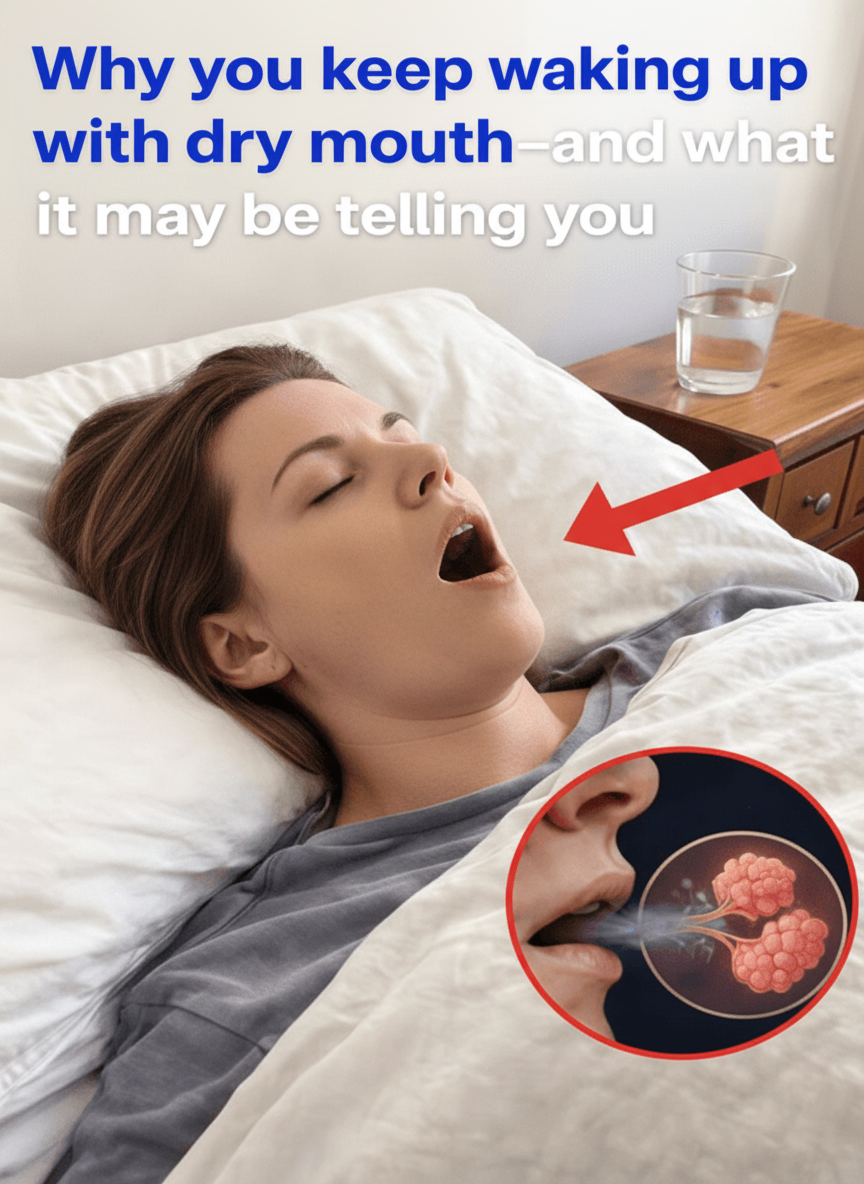
A primary contributor to waking up with a dry mouth is undoubtedly mouth breathing. When air continually flows over the tongue and the delicate tissues inside your cheeks, it rapidly evaporates the essential moisture, leading to a dry sensation. This common occurrence can be triggered by several situations:
- Nasal passages blocked by allergies, a cold, or sinus issues
- Sleeping positions, particularly on your back, which can encourage the jaw to relax open
- The natural relaxation of your jaw muscles during deeper sleep stages
What’s often surprising is that many individuals are completely unaware they breathe through their mouth during the night. If you suspect this might be happening, look out for these tell-tale signs upon waking:
- A noticeably dry or sticky tongue
- A mild sore throat in the morning
- Unpleasant bad breath
- An immediate and intense feeling of thirst
Leading sleep specialists emphasize that breathing through the nose is far more beneficial, as it helps preserve optimal humidity levels within the mouth and throat, preventing excessive dryness.
Dehydration Before Bedtime: A Frequently Missed Factor
Sometimes, the explanation for morning dry mouth is considerably simpler: inadequate hydration. If your body lacks sufficient fluids before you go to sleep, your natural saliva production can diminish significantly throughout the night. However, it’s crucial to strike a balance. Consuming an excessive amount of water immediately before bed can result in disruptive, frequent trips to the bathroom during the night. The optimal approach is to maintain consistent hydration levels gradually throughout your entire day.
Indicators that you might not be adequately hydrated include:
- Urine that appears dark yellow during the day
- Experiencing frequent thirst
- Having dry lips or skin
Reputable health organizations, such as the National Academies of Sciences, advise that most adults focus on achieving steady hydration over the course of the day, rather than attempting to compensate with large fluid intakes just before bedtime.
Medications That Can Influence Saliva Production
Another significant, yet often overlooked, contributor to dry mouth is certain medications. A wide array of commonly prescribed drugs can have reduced saliva production, or xerostomia, as an unfortunate side effect. These often include medications used for conditions such as:
- Allergies and antihistamines
- High blood pressure (antihypertensives)
- Mood regulation or sleep assistance
- Cold and flu symptom relief
According to various dental health organizations, hundreds of different medications list dry mouth as a potential adverse effect. It’s vital to understand that recognizing this connection does not imply you should discontinue any prescribed medication without consulting your doctor. Instead, being aware of this side effect can empower you to discuss it with your healthcare provider and explore minor lifestyle adjustments or alternative strategies to enhance your comfort and manage dry mouth symptoms effectively.
Your Bedroom Environment: A Critical Factor
The conditions within your sleeping environment also wield a surprisingly substantial influence on oral moisture. Air that is excessively dry acts like a sponge, drawing moisture away from your mouth and throat. This phenomenon is particularly prevalent during specific times and in certain settings:
- Throughout the colder winter months when heating systems are active
- In rooms cooled by air conditioning
- In homes generally characterized by low ambient humidity
Such dry indoor air can directly contribute to:
- A parched mouth
- Dry nasal passages
- Mild irritation in the throat upon waking
Introducing additional humidity back into your environment can often help re-establish a healthy balance. Consider this quick comparison:
- Low humidity: Leads to significantly increased dryness overnight.
- Balanced humidity: Promotes more comfortable breathing and oral moisture.