 By admin
 A luminous, bright smile exudes confidence, but over time, our teeth naturally lose their pristine white sheen. Daily culprits like coffee, tea, and highly pigmented foods contribute to surface stains, gradually dimming the natural brilliance of tooth enamel. While numerous commercial whitening products and professional dental treatments promise dramatic results, many individuals are drawn to the allure of quick, budget-friendly home remedies. One such method, a viral sensation featuring eggshell powder and coffee, has recently taken social media by storm as a purported DIY teeth whitening solution. However, the true efficacy and potential risks of this trending trick might surprise you as we delve deeper into its claims.
Understanding Tooth Discoloration: Why Smiles Lose Their Luster
Before exploring popular DIY solutions, it’s crucial to grasp the underlying reasons behind tooth discoloration. Fundamentally, teeth can lose their whiteness due to two primary factors: extrinsic (surface) stains and intrinsic changes within the tooth structure, often related to enamel wear or internal factors.
Primary Contributors to Yellowing Teeth
- Frequent consumption of staining agents such as coffee, tea, red wine, and dark sodas.
- Habitual smoking or the use of other tobacco products.
- Dietary intake of richly colored foods like berries, curries, or soy sauce.
- The natural process of enamel thinning as we age, revealing the yellowish dentin beneath.
- Inadequate oral hygiene practices, leading to plaque and tartar buildup.
- Specific medications or systemic mineral imbalances that can affect tooth color.
Crucially, a significant portion of common tooth yellowing stems from surface stains on the outermost layer of the tooth, the enamel. This means that certain gentle polishing techniques can indeed help in their removal. However, it’s vital to recognize that not every widely circulated “hack” delivers on its promises. A closer examination of the components in these viral concoctions often sheds light on why they gain traction, despite their questionable effectiveness.
Deconstructing the Viral Eggshell and Coffee Whitening Trend
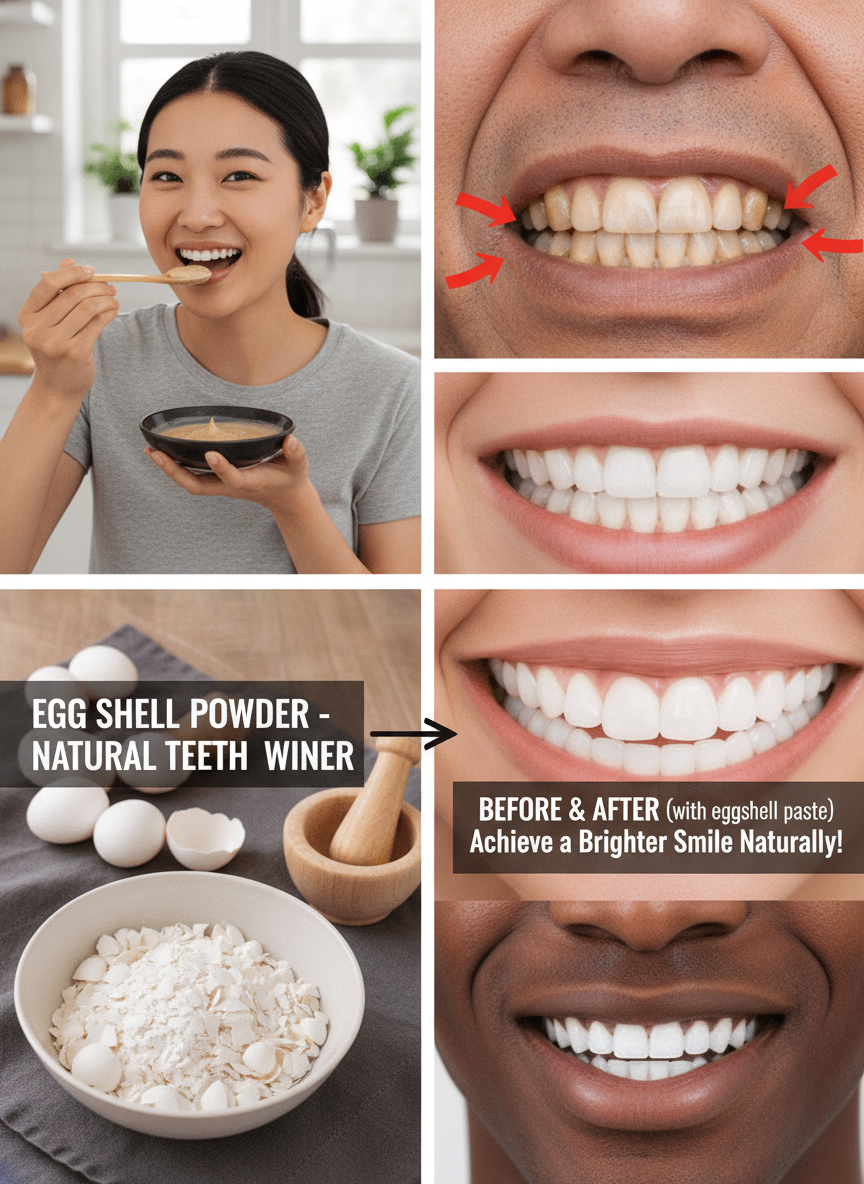
The viral sensation typically involves creating a paste from finely crushed eggshell powder combined with coffee grounds or liquid coffee, which is then applied to the teeth for a brief duration. The supposed rationale behind this DIY approach often hinges on a few key assumptions:
- Eggshells are a rich source of calcium carbonate, a mineral.
- Calcium compounds are frequently incorporated into commercial toothpaste formulations for their polishing properties.
- The logic suggests that finely powdered eggshells could function as a gentle abrasive.
- This supposed gentle abrasion might then aid in buffing away superficial stains from the enamel surface.
The inclusion of coffee, ironically, appears to be less about its whitening potential and more about its accessibility as a common household ingredient. This is where the trend takes a puzzling turn, as a critical detail often overlooked in viral tutorials is that coffee is, in fact, a well-known contributor to tooth staining. Therefore, it fundamentally contradicts the goal of teeth whitening, raising a significant question about the method’s true scientific basis.
The Scientific Verdict on Eggshell Powder for Dental Whitening
It is true that eggshells are predominantly composed of calcium carbonate, a mineral also found in certain professional tooth polishing agents and some toothpaste formulations. Indeed, laboratory research investigating eggshell powder indicates a potential for remineralization when the material is processed under controlled conditions. For instance:
- Calcium derived from eggshells has shown promise in supporting the mineral balance of enamel.
- When reduced to extremely fine, micronized particles, it can offer mild polishing actions.
However, this is where a crucial distinction must be made. The scientific studies that highlight these benefits typically utilize meticulously purified and uniformly micronized powders, produced in a controlled laboratory setting. This is a stark contrast to crude, homemade crushed kitchen eggshells. This disparity is paramount: irregularly shaped or overly large fragments from inadequately prepared eggshells can be excessively abrasive. Repeated use could lead to irreversible damage to the delicate enamel layer. While calcium carbonate itself is a recognized ingredient in oral care, attempting a DIY application without proper processing introduces significant and unacceptable risks.
Unmasking the Dangers of Unverified DIY Teeth Whitening Methods
It’s important to halt and consider the potential ramifications. While many home remedies might appear benign, the protective outer layer of your teeth, enamel, is irreplaceable once it’s eroded or damaged. Repeatedly applying highly abrasive substances can precipitate a range of serious dental issues, including:
- Irreversible enamel erosion, which thins the tooth’s protective layer.
- A significant increase in tooth sensitivity to hot, cold, or sweet stimuli.
- Inflammation and irritation of the gums, potentially leading to gingivitis.
- The creation of rough or uneven tooth surfaces, making them more prone to staining.
Dental professionals utilize a standardized metric, the Relative Dentin Abrasivity (RDA) scale, to quantify the abrasiveness of dental products. Commercial toothpastes undergo rigorous testing and are meticulously formulated to remain within safe RDA limits. In stark contrast, homemade concoctions lack any form of scientific validation or quality control. Consequently, exercising extreme caution and moderation is not just advisable, but absolutely essential when considering any DIY teeth whitening treatment.
Effective and Safe Strategies for Achieving a Brighter Smile at Home
Fortunately, achieving a noticeably brighter smile doesn’t require risky experiments. There are straightforward, dentist-approved daily practices that can safely and gradually enhance the whiteness of your teeth.
Proven Oral Care Practices for Stain Prevention and Removal
- Commit to brushing your teeth twice daily using a fluoride toothpaste to strengthen enamel and remove plaque.
- Opt for a soft-bristle toothbrush to protect your gums and prevent enamel abrasion.
- Minimize direct contact of staining drinks (like coffee, tea, or soda) with your teeth by using a straw.
- Immediately rinse your mouth with water after consuming highly pigmented foods or beverages to wash away staining particles.
- Maintain a schedule of regular professional dental cleanings to remove stubborn plaque and surface stains that at-home brushing might miss.
While these recommendations might appear basic, their consistent application yields the most significant and lasting improvements over time. Many individuals underestimate the profound impact that seemingly minor adjustments to daily routines and lifestyle choices can have on dramatically reducing stain accumulation and maintaining optimal oral health.
Final Thoughts: Prioritizing Your Dental Health
In conclusion, while the allure of quick, natural fixes for a brighter smile is understandable, it’s crucial to approach viral DIY trends like eggshell and coffee teeth whitening with extreme skepticism. The potential for irreversible enamel damage, increased sensitivity, and gum irritation far outweighs any unproven or temporary cosmetic benefits. For genuine, safe, and effective teeth whitening, always consult with your dental professional. They can offer personalized advice, recommend proven treatments, and guide you toward a truly healthy and radiant smile without jeopardizing your long-term oral health.