 By admin
 Unlocking Nature’s Potential: Can Holy Basil (Tulsi) Naturally Enhance Your Oral Health and Freshen Breath?
As we navigate through life, especially into our later years, many of us encounter those awkward moments: a sudden concern about our breath during a conversation or spotting an unexpected mark on a tooth. Such instances can be particularly unsettling if dental check-ups become less frequent. The unease often intensifies with sensitive gums, persistent unpleasant breath, or a noticeable weakening of teeth.
However, ancient wisdom offers intriguing possibilities. For centuries, various traditional plants have been utilized to support daily oral hygiene in remarkably straightforward ways. Among these revered botanicals is holy basil, widely known as tulsi. Its potential contributions to natural oral care might just captivate you by the time you finish reading.
Exploring Holy Basil (Tulsi): A Time-Honored Herb in Wellness Practices
Holy basil, or tulsi, is a highly aromatic herb deeply rooted in the traditional wellness systems of various cultures. Revered for its holistic benefits, it differs significantly from culinary basil with its distinct, more potent fragrance and a rich profile of natural compounds. These compounds have garnered scientific interest for their potential antibacterial and antioxidant qualities. For centuries, communities have incorporated tulsi into their daily routines, often utilizing crushed leaves or herbal infusions as part of their oral hygiene practices. This historical use is precisely why tulsi is now drawing considerable attention in contemporary discussions surrounding natural oral care solutions.
Key plant compounds identified within tulsi include:
- Essential oils, notably eugenol
- Powerful antioxidants that combat oxidative stress
- Bioactive compounds recognized for their antimicrobial potential
Preliminary laboratory research indicates that these constituents may contribute to managing certain oral bacteria when integrated into a regular hygiene regimen. Beyond its scientific intrigue, tulsi appeals to many, particularly older adults, due to its simplicity, affordability, and ease of integration into existing daily habits. It is crucial to remember, however, that tulsi serves as a supportive measure, designed to enhance, rather than substitute, fundamental practices like brushing, flossing, and regular professional dental care.
Navigating Oral Health Challenges in Adulthood, Especially After 50
With advancing age, maintaining optimal oral health frequently presents new challenges, as teeth and gums become more susceptible to various changes. Some prevalent concerns adults often encounter include:
- Xerostomia (dry mouth), often a side effect of medications
- Heightened gum sensitivity
- Accumulation of bacteria contributing to persistent bad breath
- Progressive wear and tear of tooth enamel
Dental health studies consistently show that naturally occurring oral bacteria can proliferate significantly when regular oral hygiene practices are neglected. This bacterial proliferation can subsequently lead to plaque formation and inflammation of the gum tissues. The fundamental takeaway here is that consistent daily habits are paramount in determining long-term oral well-being. Establishing simple routines—such as diligent brushing, thorough flossing, adequate hydration, and occasionally incorporating natural aids like herbal rinses—can significantly contribute to fostering a balanced and healthy oral environment. It is within this context that tulsi finds its traditional place in various natural oral care approaches.
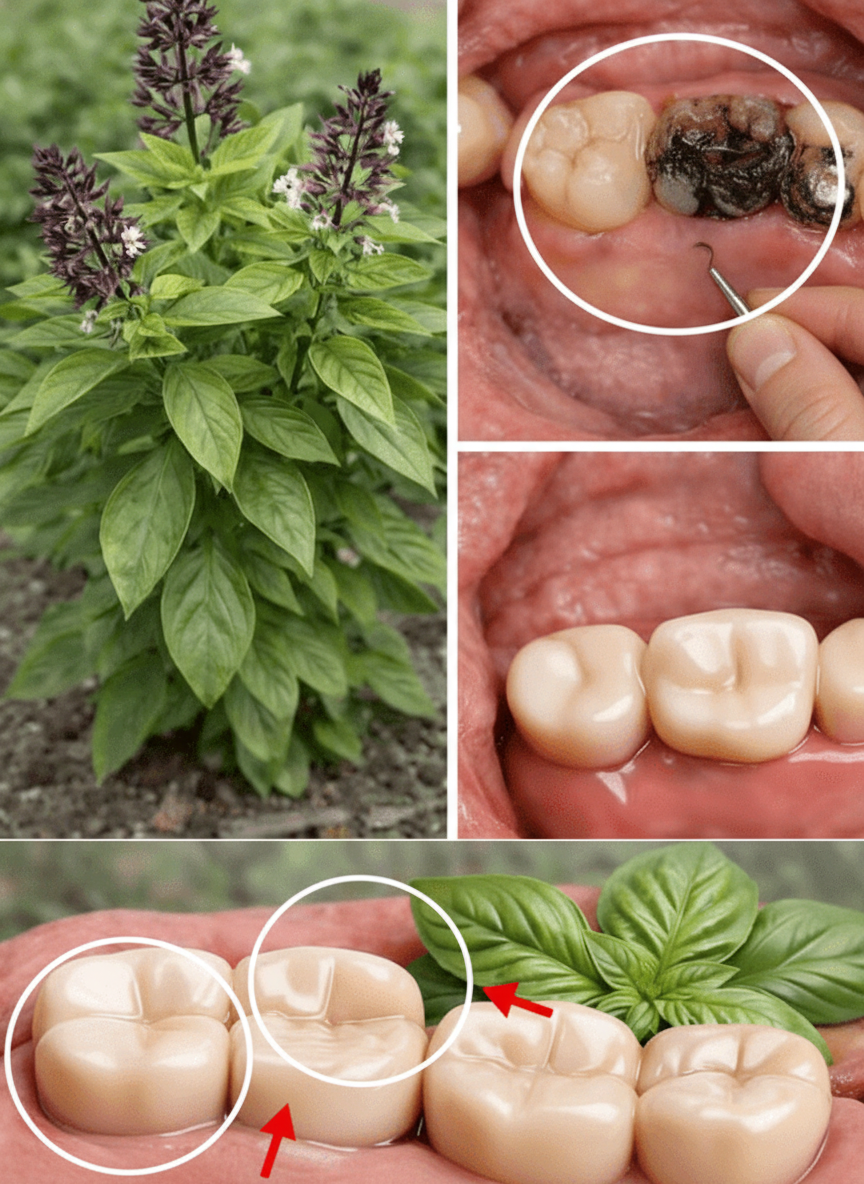
The Rationale Behind Tulsi’s Integration into Natural Oral Care
Throughout history, numerous traditional wellness systems have embraced tulsi leaves as a component of their daily oral hygiene rituals. Modern research in herbal dentistry has begun to uncover the fascinating properties that underpin this practice. Laboratory investigations, for instance, have indicated that extracts derived from holy basil may exhibit efficacy against specific types of oral bacteria. The growing interest in incorporating tulsi into natural oral care routines stems from several key attributes:
- Support for Fresher Breath: The aromatic essential oils present in tulsi may contribute to a temporary reduction in odor-causing bacteria, thereby aiding in the maintenance of fresh breath.
- Rich in Plant-Based Antioxidants: Tulsi is packed with beneficial compounds that assist in neutralizing oxidative stress, which can impact oral tissues and gums.
- Gentle Cleansing Action: When prepared as an herbal infusion and used as a mouth rinse, tulsi can help dislodge and wash away lingering food particles, promoting a cleaner mouth.
It is paramount to offer a crucial clarification: tulsi is not, and should never be considered, a substitute for professional dental treatment. Rather, its role is best understood as a complementary element within a comprehensive daily oral hygiene regimen. The cornerstone of effective oral care remains consistent brushing with fluoride toothpaste, along with regular check-ups and cleanings by a dental professional.
Integrating Tulsi: Practical Steps for Your Daily Oral Hygiene
For individuals keen on exploring traditional herbal methods, incorporating tulsi into a daily routine can be straightforward and economical. Here are a few common and gentle approaches:
1. Preparing a Tulsi Herbal Mouth Rinse
- Step 1: Bring a handful of thoroughly cleaned tulsi leaves to a boil in water for approximately five minutes.
- Step 2: Allow the resulting liquid to cool down to a comfortable, warm temperature.
- Step 3: Use this infusion as a natural mouth rinse following your regular brushing routine.
2. Using Tulsi Leaf Powder
- Step 1: Ensure tulsi leaves are completely dried.
- Step 2: Grind the dried leaves into a very fine powder.
- Step 3: Occasionally, mix a small pinch of this powder with your toothpaste when brushing.
3. Gentle Chewing of Fresh Leaves
- Some proponents of natural remedies gently chew a few washed tulsi leaves to release their beneficial aromatic oils. However, it is important to practice this in moderation and always follow with a thorough mouth rinse. Remember, consistency in small, sustainable daily habits often yields greater long-term benefits for oral health than infrequent, intensive efforts.