 By admin
 Broadleaf Plantain: Rediscovering the Versatile Backyard Herb for Natural Wellness
Many people, especially older generations, might feel a touch of irony admitting this: they frequently walk past a common plant without realizing it holds a rich history of traditional uses, once deeply valued by their ancestors. Perhaps you’ve diligently pulled it from your garden, convinced it was nothing more than a persistent weed. The truth is, this ubiquitous green plant, quietly spreading along pathways and garden edges, boasts a profound legacy in traditional herbal practices across the globe. To overlook it is to potentially miss out on a simple, natural resource that countless generations have appreciated for centuries.
By the end of this article, you’ll gain a new appreciation for why so many herbal traditions speak highly of broadleaf plantain (Plantago major) and how people have safely incorporated it into their everyday wellness routines.
What Exactly Is Broadleaf Plantain and Why Does It Thrive Everywhere?
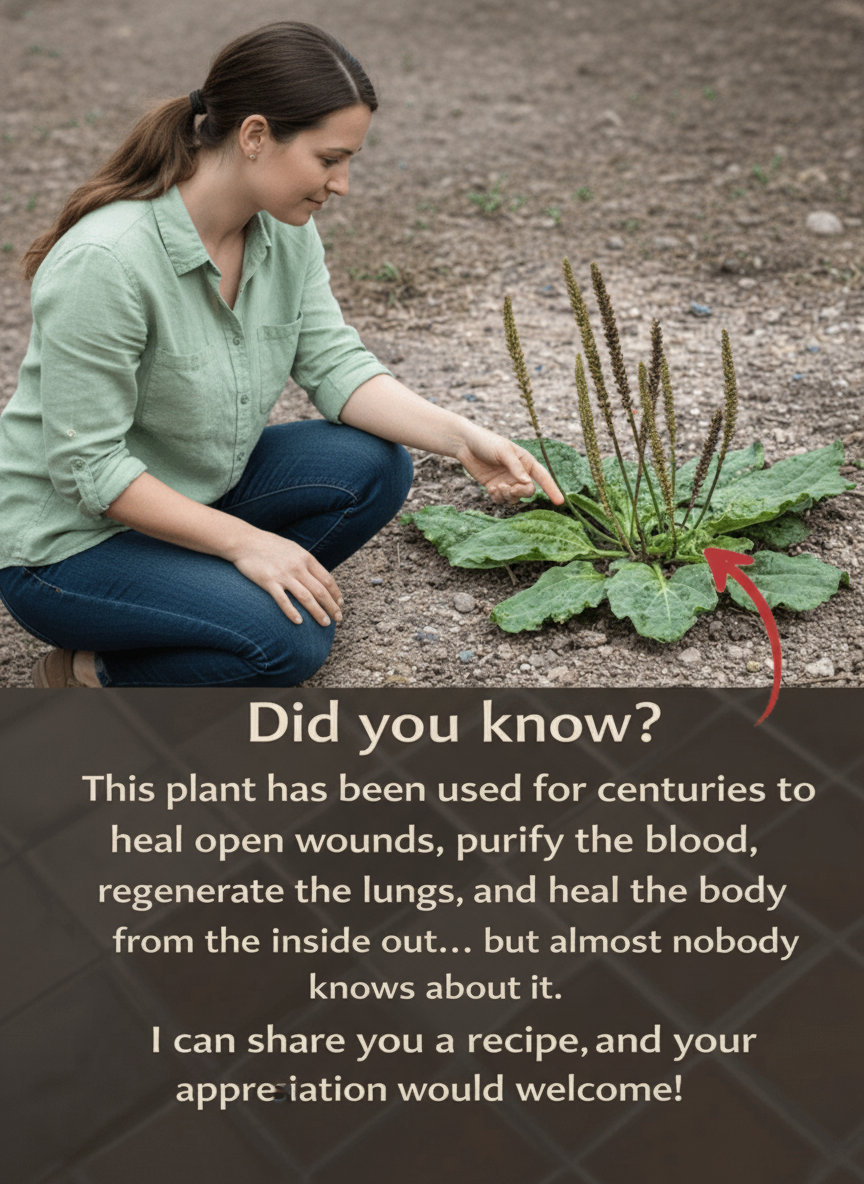
Broadleaf plantain, scientifically known as Plantago major, is an incredibly resilient herb that flourishes in challenging conditions. You’ll find it thriving in compacted soil, along sidewalks, in gardens, and even emerging from cracks in concrete. In numerous cultures worldwide, including many parts of Europe, Asia, and the Americas, older generations often recognized its distinctive features instantly:
- Wide, Oval Leaves: These grow in a flat rosette close to the ground.
- Prominent Parallel Veins: A key identifier, these veins run distinctly through each leaf.
- Tall, Slender Seed Spikes: These rise from the center, carrying numerous small seeds.
Here’s the fascinating part: while modern society often dismisses it as a mere weed, traditional herbal systems have revered Plantago major for centuries, utilizing it as a supportive plant in various home remedies. Researchers delving into medicinal plants have observed that broadleaf plantain contains valuable natural compounds such as flavonoids, tannins, and plant polysaccharides, which are thought to support the body’s natural protective and restorative processes.
However, it’s crucial to maintain a clear perspective. Broadleaf plantain is not a miraculous cure-all. Instead, it is best understood as a traditional plant historically used in wellness practices and folk herbal preparations. This distinction is vital for responsible use and understanding.
Traditional Uses of Plantain Leaves in Everyday Wellness
Across diverse cultures, plantain leaves were highly valued for their straightforward, everyday applications. From ancient European herbal texts to indigenous folk traditions, its mention is frequent. Some common traditional uses include:
- Supporting Skin Comfort: Often applied externally, it was traditionally used to soothe minor skin irritations.
- Herbal Teas: Infusions made from dried leaves were consumed for various internal benefits.
- Gentle Digestive Support: In traditional preparations, it was valued for its mild effects on the digestive system.
- Poultices and Compresses: Used topically for minor cuts, scrapes, and insect bites.
Studies published in herbal pharmacology journals have indicated that compounds present in plantain leaves may possess soothing and antioxidant properties. This scientific understanding helps explain why the plant features so prominently in countless traditional remedies. Yet, perhaps the most profound reason elders cherished plantain was its unparalleled accessibility. It grows almost anywhere, demands no cultivation, and can be harvested with ease. In essence, nature placed this valuable resource directly at our feet.
Beneficial Compounds Identified in Plantago Major
Scientists investigating medicinal herbs have pinpointed several natural compounds within broadleaf plantain that contribute to its traditional uses. These include:
- Flavonoids
- Tannins
- Iridoid glycosides
- Plant mucilage
- Trace amounts of Vitamin A and Vitamin C
To better understand its potential role in wellness, here’s a simplified comparison of some key compounds:
| Natural Compound Found In Plantain | Why It Matters Traditionally & Scientifically |
|---|---|
| Flavonoids | Known for their antioxidant properties, which help support cellular health and overall well-being. |
| Tannins | Traditionally associated with providing support for skin and tissue health, often used in topical applications. |
| Mucilage | Offers soothing properties, particularly when applied topically or consumed in teas. |
| Plant Compounds | Many plant compounds are continuously studied for their potential to support the body’s natural anti-inflammatory responses. |
It’s important to reiterate a crucial point: while natural plants can contain beneficial compounds that support wellness, they are not a substitute for professional medical care. Consider plantain a traditional wellness plant to complement a healthy lifestyle, rather than a medical treatment for specific conditions.
Simple Traditional Ways to Use Plantain at Home
If you consult experienced herbalists or those from rural communities, they often recount several traditional methods for utilizing plantain leaves. Here are some of the most common and straightforward practices:
1. Plantain Herbal Tea
One of the simplest and most common preparations for internal use.
Steps:
- Thoroughly wash a small handful of fresh broadleaf plantain leaves.
- Chop the washed leaves into smaller pieces.
- Add the chopped leaves to a cup of hot water.
- Steep for 5 to 10 minutes, allowing the beneficial compounds to infuse.
- Strain the liquid before drinking to remove the leaf particles.
Many describe the flavor as mild, slightly earthy, and surprisingly pleasant.
2. Fresh Leaf Compress for Skin Comfort
Traditionally employed for minor skin discomforts and irritations.
Steps:
- Select and wash a fresh, clean plantain leaf.
- Gently crush or bruise the leaf to help release its natural juices.
- Apply the crushed leaf directly to the affected skin area for a short period.
This type of topical application is a staple in many traditional herbal manuals for its soothing qualities.
3. Drying Leaves for Future Use
A practical method for preserving plantain’s benefits for year-round access.
Steps:
- Harvest clean, healthy broadleaf plantain leaves.
- Air dry the leaves in a shaded, well-ventilated area until they are completely brittle.
- Store the dried leaves in an airtight container, away from direct sunlight and moisture.
- Use the dried leaves later for herbal infusions, teas, or powdered preparations.
As a helpful reminder, always ensure you correctly identify any wild plant before use. If you are unsure, it’s best to consult with an expert. Embracing the wisdom of this forgotten backyard herb can be a rewarding step towards a more natural approach to everyday wellness.