 By admin
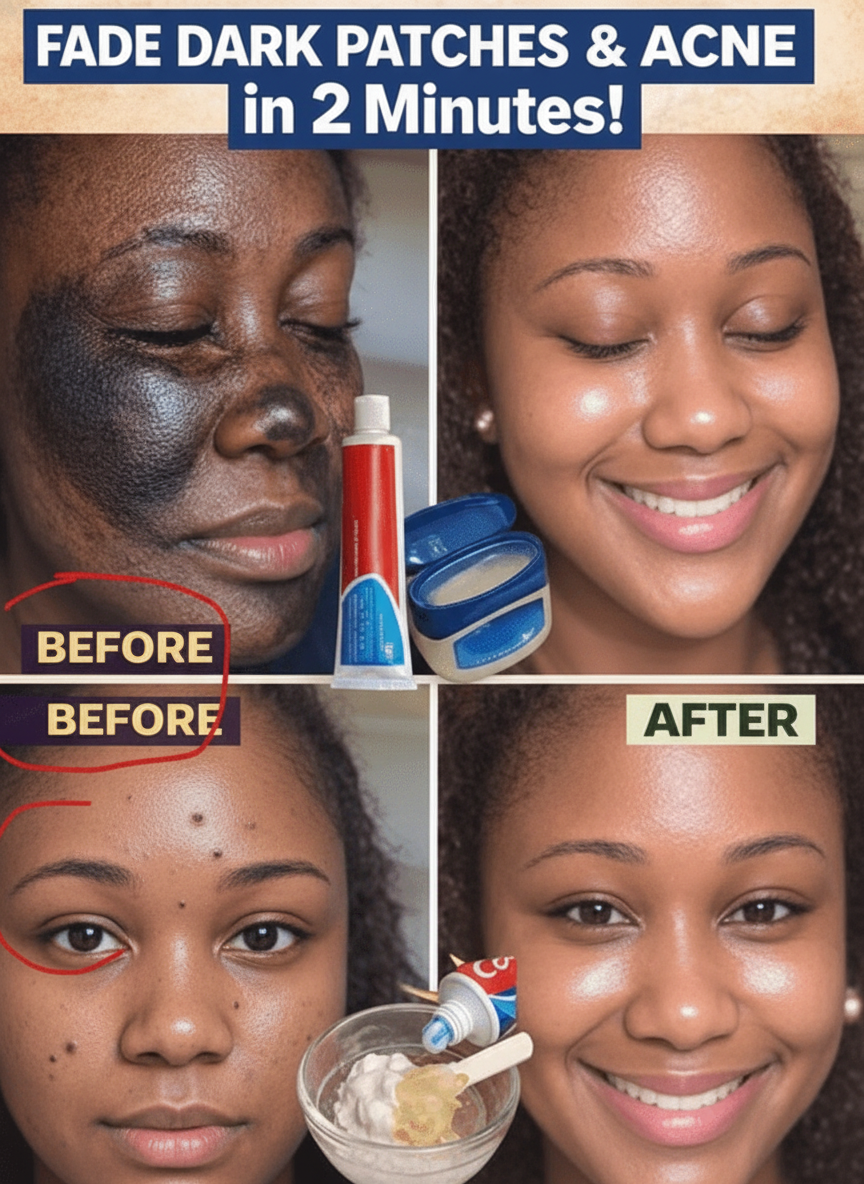
 The Truth About Toothpaste and Vaseline on Your Face: Unpacking a Popular Skincare Trend
Many individuals have encountered the disheartening sight of dark patches, an uneven complexion, or sudden breakouts when gazing into the mirror. This can be particularly frustrating, especially after investing in numerous skincare creams that promise radiant results but deliver minimal improvement. In pursuit of a rapid solution, some turn to common household items such as toothpaste and petroleum jelly. However, despite their everyday familiarity, the impact of these ingredients on delicate facial skin might be quite different from what many anticipate. This article will explore the actual effects when these products are applied to your skin, guiding you towards a clearer understanding and potentially safer habits for a healthier-looking complexion.
Why DIY Skincare Enthusiasts Turn to Toothpaste and Petroleum Jelly
The digital landscape, particularly social media and online beauty communities, is a breeding ground for viral home remedies. Among the most frequently discussed ingredients for do-it-yourself (DIY) skincare routines are toothpaste and petroleum jelly. Their widespread adoption stems from several perceived benefits. Primarily, toothpaste often contains components like baking soda or mild desiccants, which some users believe can diminish the appearance of blemishes and breakouts. Secondly, petroleum jelly is renowned for its ability to create an occlusive barrier, effectively sealing moisture into the skin. This leads many to assume that its subsequent application will maintain soft and supple skin. Lastly, the undeniable appeal lies in their affordability and ubiquitous presence in most homes. However, a critical distinction often goes unnoticed: products formulated for dental hygiene or lip care may react entirely differently when applied to the more sensitive skin of the face.
A Closer Look at Toothpaste Ingredients and Their Intended Use
To fully grasp the potential reactions when toothpaste is applied to the face, it’s essential to understand its typical composition. Standard toothpaste formulations generally consist of various active and inactive constituents. These commonly include:
- Fluoride, crucial for strengthening tooth enamel
- Gentle abrasives, such as calcium carbonate or hydrated silica, designed for cleaning
- Flavoring agents, providing a pleasant taste
- Foaming agents, like sodium lauryl sulfate (SLS), to help spread the paste
- Antimicrobial agents, to combat oral bacteria
It’s vital to remember that these compounds are specifically engineered for oral hygiene. While highly effective for dental care, facial skin possesses a significantly more delicate structure compared to tooth enamel. Consequently, certain toothpaste components can lead to irritation, redness, or excessive dryness, particularly for individuals with sensitive skin types. Dermatological studies frequently highlight that repeated application of specific toothpaste ingredients, when used off-label, can compromise the skin’s natural protective barrier. Therefore, while some users might observe a temporary drying of blemishes, this often comes at the cost of undesirable side effects like inflammation or peeling.
The True Function of Petroleum Jelly in Skincare
For more than a century, petroleum jelly has been a staple in skincare, recognized for its efficacy as a protective skin barrier. Skincare professionals, including dermatologists, commonly classify it as an occlusive emollient or moisturizer. Essentially, it creates a thin, impermeable film on the skin’s uppermost layer, which significantly reduces transepidermal water loss. This property makes it particularly beneficial for addressing:
- Chronically dry or flaky skin
- Mild skin irritations or chafing
- Chapped or cracked lips
- Areas with rough or calloused texture
Crucially, petroleum jelly does not penetrate deeply into the skin. Its primary mechanism is to act as a sealing agent, locking in existing moisture. While this can effectively boost hydration when applied to clean, healthy skin, its occlusive nature also means it can inadvertently trap other substances against the skin’s surface if applied over potentially irritating products. This highlights the critical importance of understanding how different skincare ingredients interact when combined.
Toothpaste Versus Petroleum Jelly: A Comparative Skincare Overview
For many, grasping the nuances of skincare ingredients becomes significantly clearer when presented through direct comparisons. Let’s look at the key differences:
| Characteristic | Toothpaste | Petroleum Jelly |
|---|---|---|
| Primary Application | Dental and oral hygiene | Protective moisture barrier |
| Core Components | Fluoride, abrasive agents, foaming detergents | Highly purified mineral oils and waxes |
| Effect on Skin Hydration | Frequently causes dryness or dehydration | Aids in moisture retention and prevents loss |
| Risk of Skin Irritation | High potential, especially for sensitive skin | Generally well-tolerated when applied correctly |
| Formulated for Facial Use | No (specifically for teeth) | Yes, often recommended for specific dermatological conditions |
This comparative table underscores a crucial principle: the efficacy and safety of products are intrinsically linked to their intended design and formulation. Substances engineered for one purpose may exhibit entirely different, and often adverse, effects when applied outside their designated use.
The Combined Effects: Toothpaste and Petroleum Jelly on Facial Skin
The most intriguing aspect for many lies in understanding the synergy—or lack thereof—when toothpaste is applied, subsequently followed by petroleum jelly. The outcomes can certainly differ based on an individual’s skin type and sensitivity. While some users initially report that toothpaste effectively dries out minor blemishes, creating a misleading impression of rapid improvement overnight, this desiccation often comes with a significant downside. The harsh drying action can unfortunately trigger:
- Pronounced redness and inflammation
- Significant skin irritation and discomfort
- Visible peeling or flaking of the skin
- Development of an uneven and compromised skin texture
When petroleum jelly is then layered over this, it forms its characteristic occlusive seal on the skin’s surface. While its primary role is to prevent moisture loss, in this context, it can inadvertently trap residual toothpaste ingredients directly against the delicate skin barrier. For some individuals, this dual application can exacerbate existing issues or lead to new concerns, including severe irritation, persistent redness, or even the development of clogged pores and new breakouts. It is important to note that not every person will