 By admin
 Picture a conversation where a friend passionately advocates for a natural resin, claiming it can eliminate cancer cells and alleviate depression—all without side effects. The allure of such a straightforward, natural remedy for complex health issues is undeniable. However, the reality surrounding frankincense health claims is far from simple. While online narratives about frankincense abound, the scientific evidence often gets overlooked. This article aims to bridge that gap, revealing what researchers have truly uncovered about this ancient botanical.
What is Frankincense and Why Has it Captured Global Attention?
Frankincense, an exquisite aromatic resin, is harvested from trees belonging to the Boswellia genus, primarily thriving in the arid regions of the Middle East, Africa, and India. For millennia, this revered resin has been integral to religious rites, spiritual practices, and traditional medicinal systems, often burned as incense for its distinctive fragrance and calming properties. Historical records frequently allude to frankincense for purposes ranging from promoting relaxation to use in elaborate herbal remedies.
Today, frankincense is widely available in various forms, including pure essential oils, encapsulated supplements, and concentrated extracts. What truly piqued the interest of contemporary scientists, however, are the unique chemical compounds inherent within this resin. Specifically, a group of potent molecules known as boswellic acids has garnered significant research attention. Initial laboratory studies suggested potential anti-inflammatory properties, a discovery that subsequently fueled a surge of enthusiastic headlines linking frankincense to the treatment of various serious ailments. Yet, it’s vital to recognize that the journey from preliminary scientific observation to substantiated health claims is often complex and fraught with misinterpretations, a distinction particularly important for individuals seeking reliable natural health solutions.
Frankincense and Cancer: Unraveling the Scientific Evidence
The internet is awash with bold assertions that frankincense actively “kills cancer cells.” While such statements are certainly attention-grabbing, a closer look at the scientific landscape reveals a more nuanced picture. Extensive laboratory research has indeed investigated the effects of boswellic acids derived from frankincense. In controlled in vitro settings (meaning, in test tubes or petri dishes), these compounds have demonstrated activity against specific cancer cell lines.
Crucially, this is where much of the online narrative often omits critical context. The progression of scientific discovery typically adheres to a rigorous sequence:
- 1. Laboratory (In Vitro) Studies: Research conducted on isolated cells outside a living organism.
- 2. Animal Studies: Investigations performed on living animal models.
- 3. Human Clinical Trials: Comprehensive studies involving human participants.
Many natural compounds exhibit fascinating biological activity in these initial lab-based stages. However, only a tiny fraction ultimately prove effective and safe for human therapeutic use. Presently, the vast majority of research into frankincense’s anti-cancer potential remains in these preliminary phases. Robust human clinical evidence is still very limited, and leading medical experts consistently caution against considering frankincense as a substitute for established medical cancer treatments. In essence, while lab experiments offer intriguing insights into biological mechanisms, they do not directly translate to the same effects when ingested or applied by a person. This fundamental distinction represents one of the most prevalent misconceptions in online health information.
Frankincense for Mood and Emotional Wellness: A Complementary Perspective
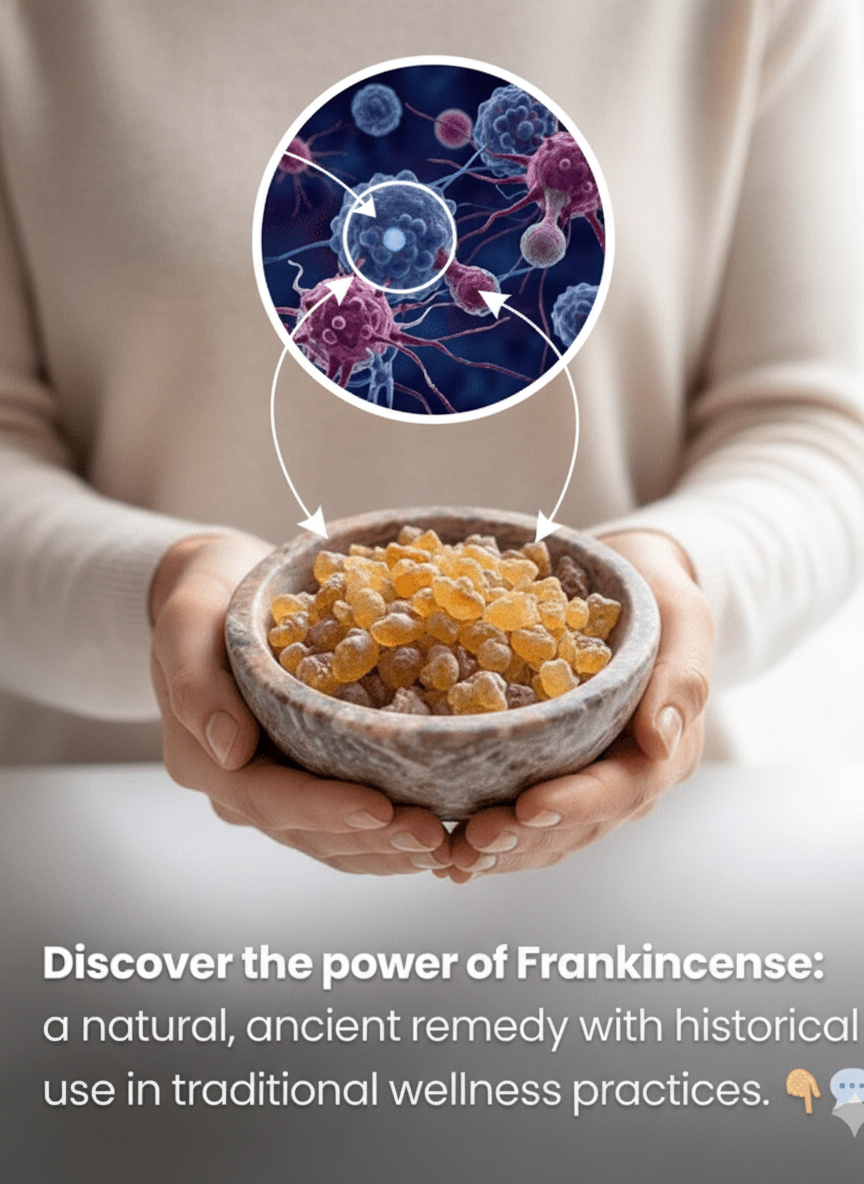
Another widely circulated assertion posits frankincense as a potent, side-effect-free natural antidepressant. Here, the reality intertwines traditional wisdom with emerging scientific understanding. The practice of aromatherapy, which utilizes essential oils for therapeutic purposes, has been explored for its capacity to influence mood. Indeed, specific aromas can evoke feelings of tranquility, relaxation, and heightened mindfulness. Frankincense, with its distinct warm, earthy, and balsamic aroma, is frequently associated with meditative practices and periods of quiet introspection.
Preliminary research, primarily small-scale studies, indicates that inhaling certain essential oils might contribute to reduced stress levels or enhanced emotional comfort. Nevertheless, healthcare professionals and researchers emphasize that complex mood disorders, such as clinical depression, stem from intricate interactions involving brain chemistry, personal life experiences, and overall physical health. While essential oils like frankincense can certainly enhance relaxation techniques, such as:
- Meditation
- Deep breathing exercises
- Mindfulness practices
They are unequivocally not a replacement for professional mental health intervention when required. It’s more accurate to view frankincense as a valuable tool for cultivating a serene environment and supporting personal wellness rituals, rather than a direct medical treatment for psychological conditions. Incorporating calming rituals into daily life can undeniably foster overall well-being, a benefit that becomes even more pronounced with age.
Navigating Frankincense Claims: A Scientific Reality Check
To help distinguish between popular online narratives and the current scientific consensus, let’s compare some common assertions about frankincense with what research genuinely suggests:
| Popular Online Claim | What Current Research Suggests |
|---|---|
| Frankincense instantly cures or kills cancer. | Laboratory studies indicate early cellular activity against certain cancer cell lines, but this is not proven for human treatment and is far from a cure. |
| Frankincense is a natural cure for depression. | Aromatherapy with frankincense may promote relaxation and reduce stress, but it is not a substitute for professional mental health care for depression. |
| It is completely free of side effects. | While generally well-tolerated, some individuals may experience skin irritation (when applied topically) or digestive discomfort (when ingested). |
| It works identically for everyone. | Individual responses to frankincense can vary significantly based on factors like dosage, method of use, and personal health conditions. |
This comparison underscores a critical message: while frankincense possesses a rich history and intriguing preliminary scientific findings, it is paramount for consumers to approach health claims with a discerning and evidence-based perspective. The appeal of natural remedies is strong, but responsible health decisions require understanding the limitations of current research.
The Bottom Line: Informed Choices for Your Health
Frankincense, with its ancient roots and captivating aroma, holds a special place in traditional practices. Modern science is just beginning to explore its potential, particularly concerning boswellic acids. However, it is essential to remember that early lab findings do not equate to proven human treatments. Before integrating frankincense or any natural supplement into your health regimen, especially for serious conditions, always consult with a qualified healthcare professional. They can provide personalized advice based on robust scientific evidence and your individual health needs, ensuring your well-being is prioritized over internet hype.