 By admin
 Beyond Cosmetics: What Your Splitting Nails Reveal About Your Health
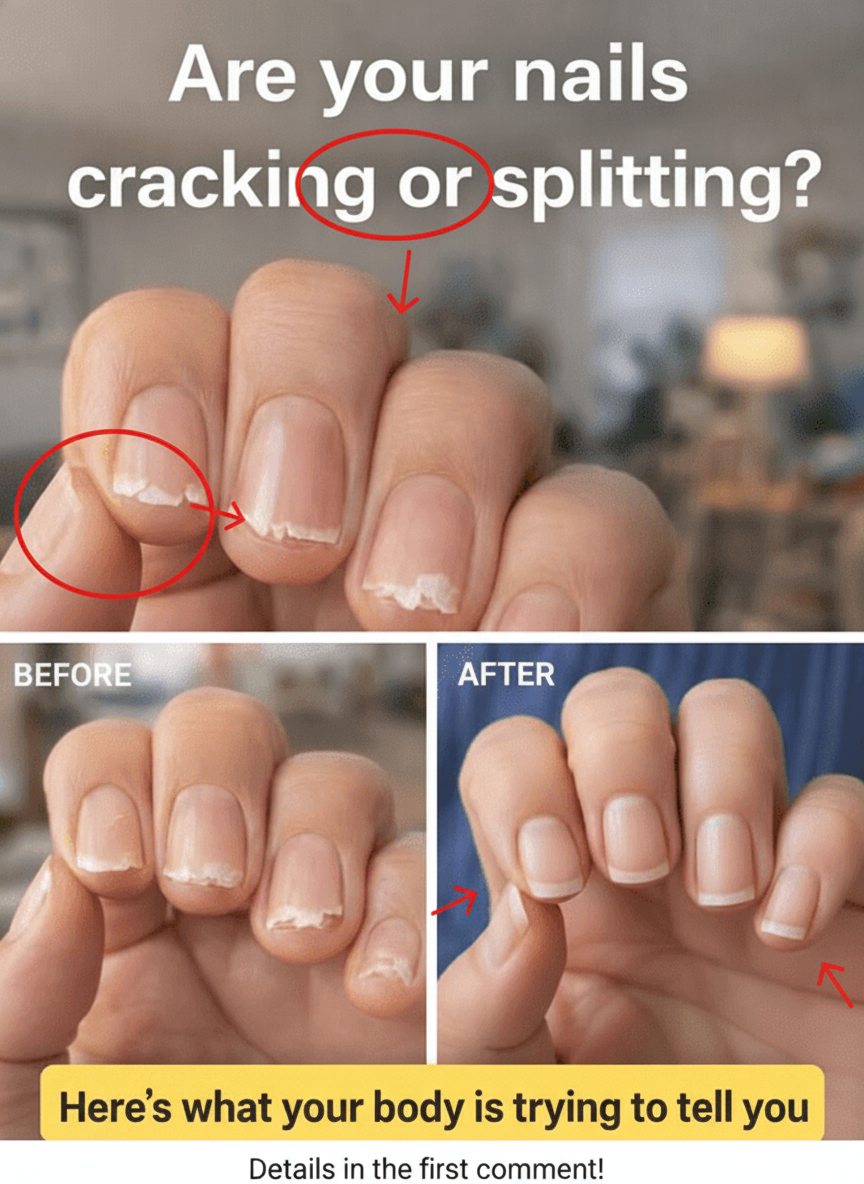
Imagine a casual gathering, and suddenly, your gaze falls upon your fingernails. Are they peeling, splitting, or exhibiting an uneven texture? This common, often embarrassing, issue might lead you to tuck your hands away. While many dismiss brittle nails as merely a cosmetic concern or an inevitable sign of aging, they can frequently serve as subtle indicators of your body’s internal state. Surprisingly, everyday habits often contribute more significantly to nail health than commonly believed – and a straightforward routine detailed later in this article could be the key to achieving stronger, healthier nails over time.
Understanding Why Your Nails Split and Peel So Easily
If you experience persistent nail peeling or easy cracking, rest assured you’re not alone. This prevalent issue affects numerous adults, with its incidence often increasing with age. Dermatological studies indicate that brittle nail syndrome impacts approximately 20% of the population, particularly women and older individuals. The fundamental principle is this: your nails are predominantly composed of keratin, a fibrous protein also vital for healthy hair and skin. When these keratin layers become depleted of moisture or lack adequate structural integrity, they become prone to splitting and flaking.
Common indicators of compromised nail health include:
- Nail tips peeling into thin layers
- The appearance of white lines or rough textures on the nail surface
- Small cracks forming near the nail’s free edge
- Nails that easily bend, chip, or break
Crucially, the root cause of weak or splitting nails is seldom singular. More often, it stems from a complex interplay of daily lifestyle choices, nutritional intake, and exposure to environmental stressors. Let’s explore these factors in detail.
Everyday Habits Secretly Damaging Your Nail Health
When faced with fragile or breaking nails, many individuals instinctively reach for supplements. However, the reality is often simpler: common everyday habits frequently undermine nail strength. Here are some prevalent culprits:
- Excessive Water Exposure: Regular activities like hand washing, dishwashing, or prolonged swimming cause the nail layers to repeatedly swell and contract. This cyclical expansion and shrinkage gradually erodes the nail’s structural integrity over time.
- Aggressive Household Cleaners: The harsh chemicals found in many cleaning products can strip away the essential natural oils that form a protective barrier on your nails.
- Frequent Use of Acetone-Based Removers: Nail polish removers, particularly those containing acetone, are notorious for dehydrating the nail plate, leaving it dry and susceptible to damage.
- Incorrect Nail Filing Techniques: Filing your nails with a vigorous back-and-forth motion can create microscopic fractures within the nail structure, ultimately predisposing them to splitting and breakage.
For a clearer understanding, consider this summary:
| Habit | Potential Impact on Nails |
|---|---|
| Frequent Water Immersion | Causes nail layers to expand and separate |
| Harsh Chemical Contact | Depletes natural protective oils |
| Acetone-Based Removers | Leads to significant moisture loss and dryness |
| Rough Filing | Induces structural micro-cracks and weakens integrity |
Yet, these external factors don’t tell the complete story. Occasionally, your body might be signaling a deeper need for attention.
Nourishing Your Nails: The Role of Diet and Nutrition
Given that your nails undergo continuous, albeit slow, growth, their strength and appearance are profoundly reliant on consistent nutritional intake. A variety of key nutrients play a pivotal role in supporting optimal nail structure:
- Biotin: Widely recognized for its contribution to enhancing hair and nail strength. Excellent dietary sources include eggs, almonds, and avocados.
- Protein: As keratin, the primary component of nails, is a protein, insufficient protein intake can directly compromise nail resilience and integrity.
- Iron: Deficiencies in iron are frequently linked to the development of brittle, thin, or spoon-shaped nails.
- Omega-3 Fatty Acids: These beneficial fats are crucial for maintaining adequate moisture levels within both skin and nail tissues, contributing to flexibility and preventing dryness.
Dermatological research consistently highlights that a well-balanced diet is fundamental for fostering normal nail growth and maintaining robust structure. It’s important to remember, however, that no single ‘superfood’ offers an instant remedy. Instead, sustained consistency in your dietary choices is paramount. Envision the process as cultivating stronger nails gradually over several weeks and months, rather than expecting immediate overnight transformations. But our exploration doesn’t end here.
Age, Circulation, and Their Impact on Nail Fragility
The natural aging process brings about several physiological changes that can significantly impact nail health:
- A noticeable deceleration in the rate of nail growth.
- A potential reduction in blood circulation to the extremities, including the fingers.
- A decline in the natural moisture content of both skin and nail tissues.
These combined factors often result in nails becoming progressively thinner, more fragile, and prone to damage. Yet, there’s encouraging news: incorporating minor, consistent habits can significantly contribute to maintaining healthier nails, even as you age. Simple practices such as regular, gentle hand massages or diligent cuticle moisturizing can help preserve nail flexibility and hydration. When these efforts are synergistically combined with a nutrient-rich diet, the improvements in nail strength and appearance can become quite evident over time. Let’s now delve into actionable steps you can implement starting today.
Practical Steps for Stronger, Healthier Nails
Proactive prevention is frequently the most effective strategy for robust nail care. Consider adopting these straightforward habits to safeguard your nails:
- Hydrate Nails and Cuticles Daily: Regularly apply a quality hand cream or natural oils, such as almond or olive oil, to both your nails and surrounding cuticles to lock in moisture.
- Wear Protective Gloves During Chores: Don gloves when engaging in activities like washing dishes or using cleaning products. This creates a barrier against excessive water exposure and harsh chemicals.
- File Nails Gently, In One Direction: When shaping your nails, always file in a single, consistent direction. Avoid aggressive back-and-forth ‘sawing’ motions, which can weaken the nail edge.
- Consume Balanced, Nutrient-Dense Meals: Prioritize a diet rich in proteins, a wide array of vegetables, and healthy fats to provide the essential building blocks for strong nails.
- Maintain Adequate Hydration: Drinking sufficient water throughout the day is vital, as proper hydration supports overall skin and nail health from within.
For an easy reference, here’s a concise daily nail care checklist:
- Apply a moisturizing product immediately after washing your hands.
- Consciously avoid biting or picking at your nails and cuticles.
- Minimize the use of nail polish removers containing acetone.
- Ensure your meals are consistently rich in essential nutrients.
- Always protect your hands with gloves during household chores.
Remember, it’s the consistent application of these small, daily habits that ultimately yields the most significant improvements in nail strength and appearance.
What Your Nails Are Really Telling You About Your Health
Ultimately, your nails are far more than mere cosmetic features. They serve as valuable, often overlooked, indicators of your overall health and well-being. By paying attention to their condition and adopting proactive care, you can not only improve their appearance but also gain insights into your body’s deeper needs.