 By admin
 Navigating Atorvastatin: Essential Side Effects for Older Adults to Understand
Waking up to unexpected stiffness or soreness in your legs can be a concerning experience, especially for older adults. You might wonder if it’s simply a sign of aging or if something else is at play. If you’re among the many individuals managing cholesterol with atorvastatin, these subtle body changes can spark quiet apprehension. While this widely prescribed medication is effective in maintaining healthy cholesterol levels, it’s also true that some people may encounter unforeseen reactions over time. Gaining an early understanding of potential side effects empowers you to make informed lifestyle choices and engage confidently in discussions with your healthcare provider. Furthermore, as you read on, we’ll share practical habits that could help alleviate discomfort while you continue your journey toward a healthier heart.
Why Atorvastatin Is Commonly Prescribed for Cholesterol
Atorvastatin belongs to a class of medications known as statins, frequently recommended by medical professionals to help regulate cholesterol levels and promote cardiovascular wellness. Cholesterol, a waxy, fat-like substance found in the blood, can accumulate as plaque within artery walls when present in excessive amounts. This buildup can progressively impede blood flow, potentially leading to serious health complications. Consequently, a significant number of individuals over the age of fifty are prescribed statins to mitigate these risks. Research published in reputable cardiology journals consistently demonstrates that statins effectively lower ‘bad’ LDL cholesterol and contribute to long-term cardiovascular health when used appropriately. However, it’s crucial to remember that, like most pharmaceutical treatments, atorvastatin carries the potential for side effects. While the majority of users tolerate it well, a subset may experience bodily changes that warrant attention – a realization many patients wish they had acquired sooner.
15 Possible Atorvastatin Side Effects Some People Experience
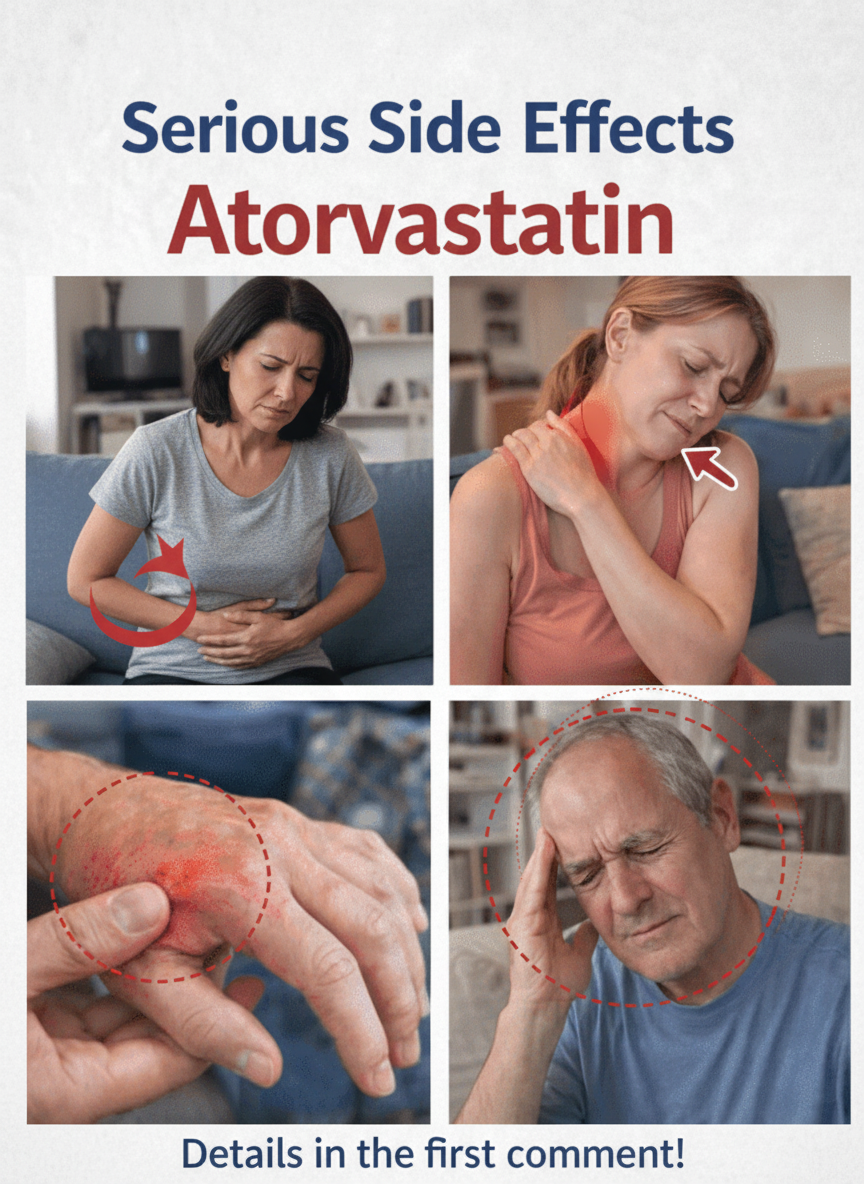
It’s important to clarify from the outset: not everyone taking atorvastatin will experience side effects. In fact, many individuals use statins for years without any issues. Nevertheless, some patients do report symptoms emerging after commencing the medication. Below are several commonly observed effects that healthcare professionals monitor:
- Muscle Discomfort or Stiffness: Often reported as soreness in the legs, shoulders, or back, this is one of the most frequently discussed statin-related symptoms.
- Mild Digestive Upset: Some individuals occasionally report experiencing nausea, stomach discomfort, or changes in bowel habits when first starting this medication.
- Fatigue: A small percentage of patients describe feeling unusually tired or lacking energy during the initial weeks of treatment.
- Headaches: As the body adapts to the medication, some individuals may develop headaches.
- Joint Aches: Stiffness or soreness in the joints, particularly common among older adults, can be a reported side effect.
- Skin Irritation: Mild rashes or itching sensations have been noted by some users.
- Sleep Disturbances: Difficulty falling asleep, staying asleep, or experiencing vivid/unusual dreams are occasionally reported.
- Memory Changes: While research findings are mixed, some patients mention temporary memory lapses or subtle shifts in concentration.
- Elevated Liver Enzyme Levels: Doctors routinely monitor liver function through blood tests, as statins can sometimes lead to an increase in liver enzyme levels.
- Increased Blood Sugar: Certain studies suggest a potential for statins to slightly elevate blood sugar levels in some individuals.
- Digestive Gas or Bloating: These gastrointestinal symptoms may manifest during the first few weeks of atorvastatin use.
- Sensitivity to Alcohol: Combining alcohol with statins can potentially place additional strain on the liver.
- Muscle Weakness: Though less common, a reduction in muscle strength has been reported by some individuals.
- Dark Colored Urine: This particular symptom should be brought to a doctor’s immediate attention if observed.
- Severe Muscle Breakdown (Rhabdomyolysis): This is a rare but serious condition that requires urgent medical evaluation if symptoms arise.
The crucial takeaway here is that most of these symptoms are uncommon and, when identified early, are often manageable. This is precisely why awareness plays such a vital role.
Common vs Rare Side Effects Comparison
Distinguishing between common and rare reactions can significantly help in reducing unnecessary anxiety.
| Type of Reaction | Examples | Recommended Action |
|---|---|---|
| Common, Mild Reactions | Muscle soreness, mild headache, minor digestive upset | Monitor symptoms and discuss them during your regular medical appointments. |
| Less Common Reactions | Sleep disturbances, skin irritation | Inform your doctor about these symptoms during your next consultation. |
| Rare, Serious Reactions | Severe muscle weakness, unusual urine color | Seek prompt medical guidance and attention. |
Many healthcare providers underscore the importance of consistent check-ups, as vigilant monitoring makes any treatment regimen safer. This straightforward practice can genuinely prevent undue worry.
Simple Habits That May Help Reduce Discomfort While Taking Statins
The good news is that several everyday habits can significantly enhance comfort for individuals taking cholesterol medication like atorvastatin.
-
Stay Well Hydrated: Drinking an adequate amount of water is fundamental for supporting optimal muscle function, aiding overall metabolism, and helping your body process medications more effectively.
-
Maintain a Balanced Diet: A diet rich in fiber, fresh vegetables, whole grains, and healthy fats provides essential nutrients that support general well-being and can help mitigate some digestive discomforts. Aim for a variety of nutrient-dense foods.
-
Engage in Moderate Physical Activity: Regular, gentle exercise, as approved by your doctor, can help maintain muscle strength and flexibility, potentially reducing muscle stiffness or soreness. Avoid overexertion, especially when first starting a new routine.
-
Ensure Adequate Sleep: Prioritizing 7-9 hours of quality sleep per night supports your body’s recovery processes, boosts energy levels, and can help manage fatigue often associated with new medications.
-
Limit Alcohol Consumption: As statins can affect the liver, reducing or eliminating alcohol intake can lessen the burden on this vital organ and potentially reduce the risk of adverse interactions.
Remember, these habits are complementary to your prescribed medication and should always be discussed with your doctor. They are not substitutes for professional medical advice.
Living with a chronic condition like high cholesterol requires proactive management and a strong partnership with your healthcare team. By understanding the potential side effects of atorvastatin, especially as an older adult, you are better equipped to monitor your body’s responses, communicate effectively with your doctor, and implement lifestyle strategies that support your overall health. Your well-being is paramount, and being informed is the first step toward a safer and more comfortable treatment journey.