 By admin
 One morning, you might find yourself feeling unusually drained. A glance in the mirror reveals persistent dark circles, your back aches more than usual, and your emotional state feels unpredictable. It’s easy to dismiss these sensations as mere consequences of stress, aging, or simply a restless night. Yet, when these subtle discomforts become a recurring pattern week after week, many women experience confusion, and sometimes even a reluctance to discuss them.
The truth is, our bodies often communicate through subtle cues before signaling major shifts. Early menopause can manifest through discreet indicators that are easily overlooked. Recognizing these signs promptly empowers women to make informed lifestyle choices and engage with their healthcare providers before symptoms escalate. Intriguingly, a simple daily practice, which we’ll explore towards the end of this article, may help many women regain a sense of balance and well-being.
Understanding Early Menopause and Its Significance
Early menopause is generally defined as the cessation of menstrual periods before the age of 45. Some women may begin to notice notable changes in their late 30s or early 40s as their hormone levels gradually fluctuate. Extensive research published in women’s health journals indicates that these hormonal shifts extend their influence far beyond reproductive functions. Estrogen, a key hormone, plays a vital role in brain health, bone density, skin elasticity, metabolic processes, and even mood regulation. This broad impact explains why early menopause can present a diverse array of unexpected symptoms.
Common contributors to early menopause may include:
- Natural hormonal fluctuations
- Genetic predisposition and family history
- Specific medical treatments or surgeries
- Lifestyle factors, such as chronic stress or tobacco use
It’s crucial to remember that every woman’s journey through menopause is unique. While some may experience only mild alterations, others could face a complex combination of physical and emotional challenges. Let’s delve into the most prevalent warning signs.
Sign 1: Persistent Headaches or Cognitive Fog
For many women, the initial indicators of early menopause often involve subtle neurological changes. Hormonal shifts can directly impact cerebral blood flow and brain chemistry. As estrogen levels begin to decline, some individuals report:
- An increase in headache frequency or intensity
- Difficulty maintaining focus and concentration
- Occasional memory lapses or forgetfulness
- A pervasive sensation of mental fogginess or “brain fog”
This can be particularly frustrating for women accustomed to feeling mentally sharp and highly organized. Moreover, factors like insufficient sleep and heightened stress can exacerbate these cognitive symptoms, creating a challenging cycle that is difficult to disrupt.
Sign 2: Noticeable Changes in Skin and Around the Eyes
The condition of our skin frequently serves as an early indicator of internal hormonal shifts, often before we fully realize it. Estrogen is instrumental in maintaining collagen, the essential protein responsible for skin’s firmness and elasticity. As estrogen levels diminish, women might observe:
- More pronounced dark circles beneath the eyes
- Increased skin dryness and a lack of moisture
- The accelerated appearance of fine lines and wrinkles
- Skin feeling thinner or less supple
Dermatological research highlights a significant reduction in collagen production during the early menopausal transition. Nevertheless, adopting supportive habits such as consistent hydration, a nutrient-rich diet, and adequate sleep can significantly help in preserving skin resilience and vitality.
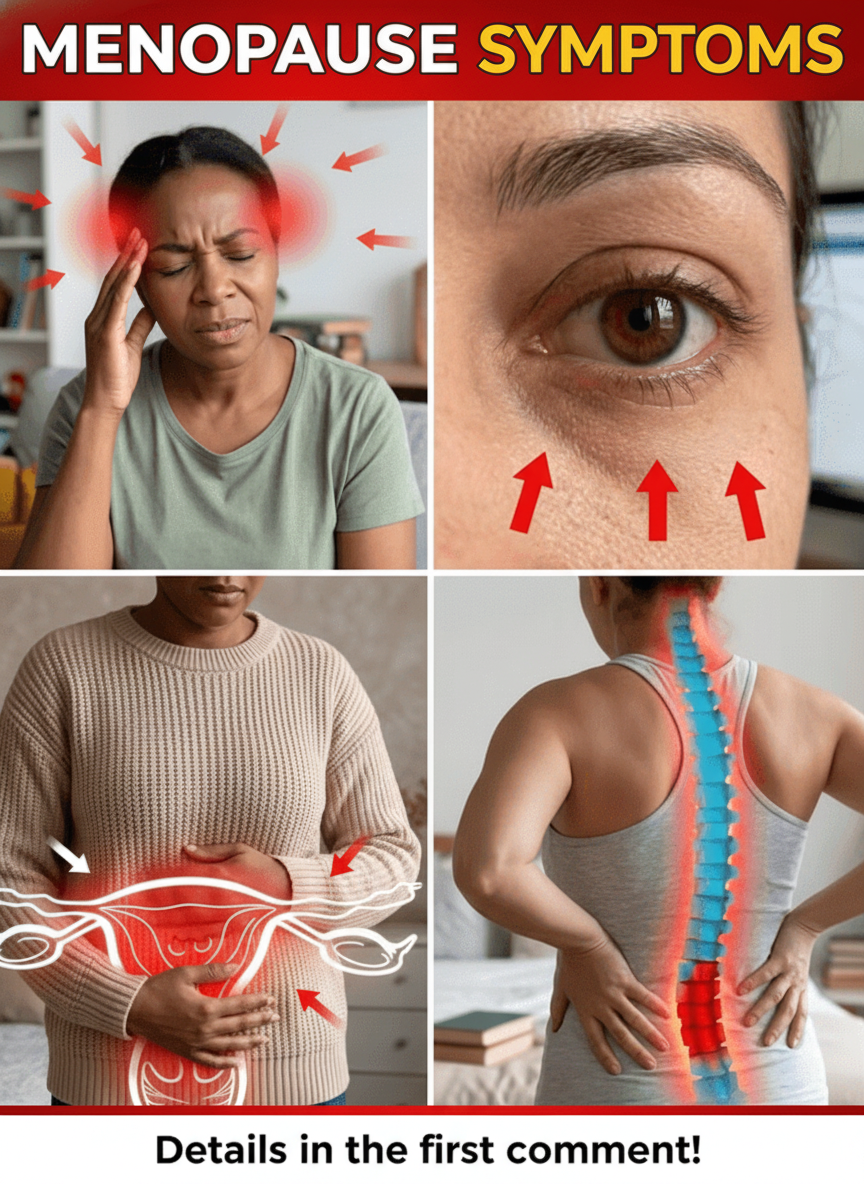
Sign 3: Irregular Menstrual Cycles
One of the most widely recognized harbingers of early menopause is a distinct alteration in menstrual patterns. Periods may begin to:
- Vary in flow, becoming either lighter or heavier
- Change in duration, lasting shorter or longer than usual
- Become significantly more unpredictable in timing
Some women may even experience skipped periods for several months. What many don’t realize is that perimenopause, the transitional phase leading up to menopause, can span several years. During this period, the body gradually adjusts its hormone production. Diligently tracking menstrual cycles using a simple calendar or a health application can provide invaluable insights and help women better understand these evolving changes.
Sign 4: Lower Back and Joint Discomfort
Another often unexpected symptom of early hormonal shifts involves the musculoskeletal system. Estrogen plays a crucial role in maintaining joint lubrication and supporting bone health. When these hormone levels decline, some women report:
- Morning stiffness in joints
- Persistent discomfort in the lower back
- Increased muscle tension
- Heightened sensitivity or soreness after physical activity
Studies published in women’s health journals suggest that hormonal fluctuations can influence inflammatory responses and impact joint flexibility. Despite this, incorporating regular, gentle physical activity can yield remarkable benefits. Simple movements such as:
- Walking
- Gentle stretching
- Yoga
- Swimming
can effectively help maintain mobility and alleviate discomfort.
Sign 5: Mood Swings and Heightened Emotional Sensitivity
This particular symptom is frequently misunderstood and often leads to self-blame. Many women silently struggle when sudden shifts in mood begin to occur. However, hormonal fluctuations have a direct impact on neurotransmitters in the brain that are responsible for regulating mood. Women might observe:
- Increased irritability or agitation
- Sudden bouts of sadness or tearfulness
- Elevated feelings of anxiety or nervousness
- A general sense of heightened emotional sensitivity
Despite the prevalence of these experiences, many women hesitate to discuss them openly. The essential message here is clear: these emotional shifts are common and widely recognized as part of hormonal transitions. Seeking support from family, friends, and healthcare professionals is vital for navigating this aspect of early menopause effectively.