 By admin
 Have you ever noticed those tell-tale indentations around your ankles after a long day, or found your favorite shoes feeling unexpectedly snug? If your legs and feet appear puffy or feel heavy, you’re not alone. Many individuals over 50 quietly dismiss this common experience as an inevitable part of getting older. However, the accompanying discomfort, stiffness, and even self-consciousness can subtly impact your daily activities and overall well-being. The encouraging news is that adopting a few simple lifestyle adjustments and natural strategies can significantly enhance your circulation and promote greater comfort. We’ll explore five gentle approaches, including a surprisingly straightforward routine that many find remarkably effective.
Understanding Leg Swelling After 50: The Causes
Before diving into practical solutions, it’s beneficial to understand why your lower extremities might experience swelling. This common condition, often referred to as edema, occurs when excess fluid accumulates in the tissues of your legs and feet. As we mature, our circulatory system can become less efficient, making it harder for fluids to return to the heart, especially after extended periods of inactivity or standing.
Several everyday factors can contribute to this fluid retention:
- Prolonged periods of sitting or standing
- Insufficient physical activity
- Warmer climatic conditions
- Diets rich in sodium
- Compromised blood circulation
- Certain prescription medications
Studies featured in reputable cardiovascular and gerontology journals consistently highlight the critical role that regular movement, adequate hydration, and a balanced diet play in maintaining robust circulation as we age. What often goes unnoticed, however, is the power of simple, at-home routines in supporting the body’s inherent fluid balance. Let’s delve into five gentle, effective strategies many seniors successfully integrate into their daily lives.
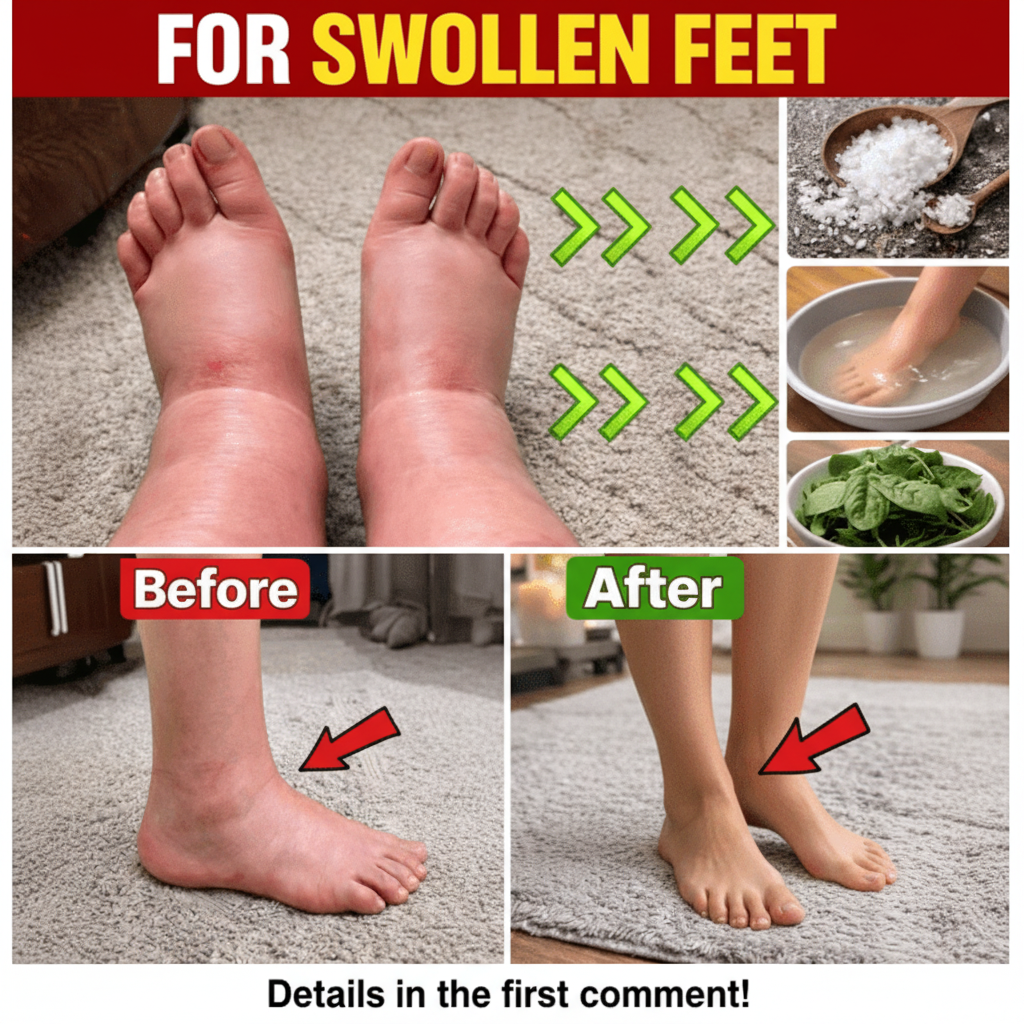
1. Soothing Epsom Salt Foot Soaks for Enhanced Comfort
A warm foot soak stands as one of humanity’s most enduring relaxation rituals, cherished across cultures for centuries. While not a substitute for medical treatment, countless individuals attest that immersing their feet in warm water infused with Epsom salt provides a remarkable sense of lightness and comfort. The key ingredient, magnesium sulfate, is widely recognized for its traditional use in promoting muscle relaxation and alleviating discomfort.
Here’s a simple, comforting routine to try at home:
- Fill a basin with warm water.
- Dissolve 1 to 2 cups of Epsom salt into the water.
- Soak your feet for 15 to 20 minutes.
- After soaking, gently pat your feet dry and elevate your legs.
This calming practice offers a wonderful starting point for relief. Combining it with gentle movement can further amplify its soothing benefits.
2. Gentle Leg Elevation to Aid Fluid Drainage
Many older adults observe that their leg swelling intensifies after prolonged periods of sitting or standing. This phenomenon is largely due to gravity, which relentlessly pulls fluids downwards. When your lower limbs remain below heart level for extended durations, fluid can easily pool in the ankles and feet. Consciously elevating your legs can significantly assist your body’s natural process of fluid redistribution.
Consider this easy approach:
- Lie down or recline in a comfortable position.
- Place 1 to 2 pillows beneath your legs.
- Gently raise your legs so they are positioned slightly above heart level.
- Remain in this relaxed posture for 15 to 20 minutes.
Many individuals find this practice particularly beneficial in the evenings. However, integrating consistent movement throughout your day can be even more impactful.
3. Light Movement and Ankle Exercises for Enhanced Circulation
Our bodies are fundamentally designed for activity. During walking, the muscles in your legs function as a crucial “muscle pump,” actively assisting the return of blood and lymphatic fluid towards the heart. Even minimal, regular activity can yield substantial benefits.
Simple, effective exercises often recommended for seniors include:
- Performing gentle ankle circles while seated.
- Repeatedly flexing your toes upwards and downwards.
- Taking short, 5 to 10-minute walks multiple times daily.
- Standing up and moving around every 30 to 60 minutes, especially if you have a sedentary job or lifestyle.
Circulation research consistently demonstrates that frequent, light movement is vital for sustaining healthy blood flow in the lower body. Yet, diet also plays a pivotal role, and our next habit might be quite unexpected for some.
4. Incorporating Leafy Greens for Natural Fluid Balance
While many seniors understandably focus on medications or external treatments, the profound impact of diet on fluid balance and circulation is often underestimated. Nutrient-dense leafy greens, such as spinach, kale, and Swiss chard, are powerhouses of essential nutrients. They are particularly rich in potassium and various antioxidants, both of which are strongly linked to maintaining healthy fluid levels within the body.
Consider adding these common greens to your meals:
- Spinach
- Kale
- Arugula
- Swiss chard
- Parsley
When integrated into a well-rounded diet, these vibrant foods can significantly contribute to overall vascular health. However, there’s one incredibly simple habit that many older adults frequently overlook – and it might just be the easiest to implement.
5. Prioritizing Hydration: A Habit Many Seniors Overlook
It might seem counterintuitive, but insufficient water intake can actually exacerbate fluid retention. When your body perceives a state of dehydration, it instinctively conserves fluids, leading to swelling. A common issue for older adults is a diminished thirst sensation, which can result in unintentionally drinking less water.
Many health experts recommend these simple guidelines for optimal hydration:
- Drink water consistently throughout your day, even if you don’t feel thirsty.
- Minimize consumption of overly salty and processed foods.
- Incorporate water-rich foods, such as fresh fruits and vegetables, into your diet.
Even mild dehydration can significantly impact how your body regulates its fluid balance and may contribute to discomfort. By embracing these straightforward habits, you can take proactive steps toward managing leg swelling and improving your overall well-being.