 By admin
 Portion Power: 9 Healthy Foods That Can Turn Unhealthy When You Overeat Them
You might often reach for a handful of grapes as a quick snack, add a slice of cheese to your cracker, or enjoy a banana after a workout, believing these are always the best choices for your health. However, a crucial aspect often overlooked is that even foods brimming with nutrients can lead to issues like significant blood sugar shifts, excessive sodium intake, or digestive discomfort when consumed in large quantities. It’s not that these foods are inherently “bad”; rather, consuming them in excess can tip the scales from beneficial to problematic, especially if you have existing sensitivities or specific health conditions. The good news is that awareness and minor adjustments can make a substantial difference. In this comprehensive guide, we’ll explore nine popular foods that are excellent in moderation but require careful attention when overeaten. Stay with us until the end for practical strategies to enjoy these foods without the drawbacks—plus an enlightening perspective on why mindful portioning is often more critical than you might imagine.
Why Even “Healthy” Foods Can Pose Problems in Large Amounts
When it comes to nutrition, the principle of moderation is truly fundamental. Extensive research consistently demonstrates that consuming certain nutrients in abundance—such as saturated fats, sodium, or natural sugars—can negatively impact various bodily functions over time, including blood pressure, blood glucose regulation, and digestive processes. For instance, studies frequently highlight how diets rich in saturated fats or sodium may contribute to increased cardiovascular strain, while frequent spikes in blood sugar from carbohydrate overconsumption can affect energy levels and long-term metabolic health. But there’s no need to abandon your favorite healthy foods. The goal here is smarter consumption, ensuring these foods continue to support your well-being instead of inadvertently working against it.
1. Cheese: A Source of Calcium, But Also Sodium and Saturated Fat
Cheese is celebrated for its calcium, protein content, and undeniable flavor, making it a beloved component of countless meals. Yet, many popular varieties are surprisingly high in both sodium and saturated fat. Overindulgence can quickly lead to elevated sodium levels, which can contribute to higher blood pressure in individuals sensitive to salt. Furthermore, excessive intake of saturated fats is consistently linked by health guidelines to potential cardiovascular concerns.
Quick Tip: Opt for varieties lower in sodium, such as fresh mozzarella or cottage cheese, and aim for a serving size of 1-2 ounces—roughly the size of your thumb.
2. Bananas: A Potassium Powerhouse with a Sugary Side
Bananas are highly valued for their rich potassium, dietary fiber, and ability to provide a rapid energy boost, making them a top choice for athletes and busy mornings. The challenge lies in their natural sugar and carbohydrate content, which can cause significant blood sugar increases when several are eaten in one sitting, particularly for those actively monitoring their glucose levels. However, with careful portioning, you can enjoy all the benefits without the unwanted blood sugar spike.
3. Grapes: Deceptively Sweet, Nature’s Concentrated Treat
Grapes often feel like a light and refreshing snack—ideal for a low-calorie option, right? They are indeed packed with beneficial antioxidants and contribute to hydration. However, their high fructose content means that calories and natural sugars can accumulate rapidly. A large bowl of grapes can quickly transform into a substantial sugar surge, potentially impacting long-term blood sugar management. The key insight? A modest handful can perfectly satisfy your craving without the sugar overload.
4. Yogurt: Gut-Friendly Until Overdone
Plain yogurt is widely praised for fostering healthy digestion through its probiotics and protein, making it excellent for gut health. For some individuals, however, consuming too much lactose can trigger uncomfortable symptoms like gas, bloating, or general digestive upset, particularly if they have a degree of lactose sensitivity. To maintain comfort, consider choosing Greek or lactose-free versions, and limit your intake to 6-8 ounces daily.
5. Tomatoes: The Acidic Truth When Piled High
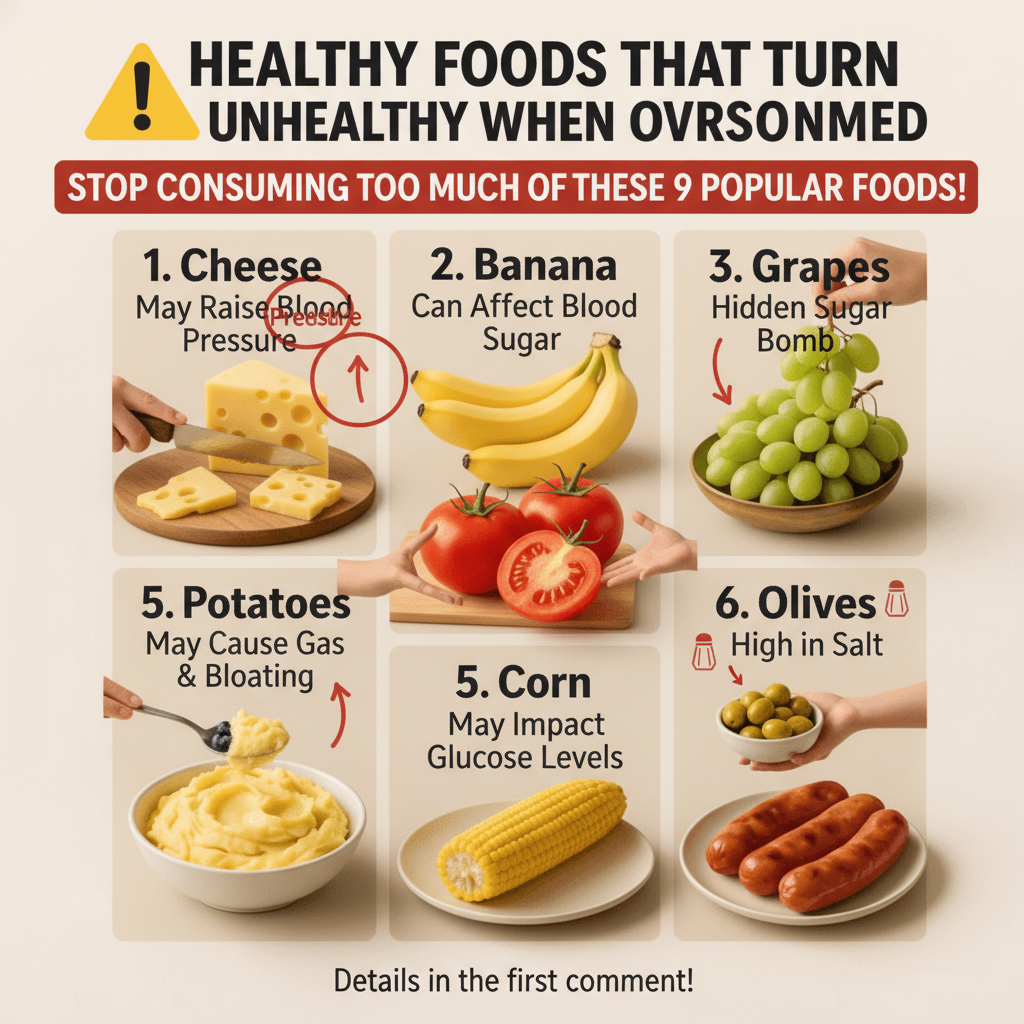
Tomatoes are a fantastic source of lycopene, essential vitamins, and fresh flavor, enhancing everything from salads to sauces. Despite their benefits, their natural acidity can irritate the stomach lining or exacerbate reflux symptoms in those prone to heartburn when consumed in large quantities. The solution is to balance them with non-acidic foods and stick to 1-2 medium tomatoes per meal.
6. Olives: A Briny Delight with a Sodium Surprise
Olives are cherished for their healthy monounsaturated fats and their ability to add a distinct zest to meals or charcuterie boards. Yet, because they are typically preserved in brine, they deliver a significant sodium punch. Overeating olives can considerably increase your daily sodium intake, potentially affecting fluid balance and contributing to elevated blood pressure. A simple tip: rinse them thoroughly before eating and limit your serving to 10-15 olives.
7. Potatoes: Comfort Food with a Glycemic Impact
Potatoes offer valuable vitamin C, potassium, and satisfying fiber when prepared by baking or boiling. However, their high glycemic load—especially when mashed, fried, or consumed in large portions—means carbohydrates are broken down quickly, leading to potential blood sugar fluctuations. To mitigate this, pair them with protein and other vegetables to slow down absorption, such as enjoying a medium-sized baked potato as part of a balanced meal.
8. Corn: A Starchy Vegetable That Adds Up
Fresh corn, whether on the cob or as kernels, provides dietary fiber, beneficial antioxidants, and a taste of summer. As a starchy vegetable, consuming large quantities can significantly increase your carbohydrate and calorie intake, potentially impacting blood sugar levels and overall energy balance.
Quick Tip: Enjoy corn in moderation, perhaps half an ear or a small cup of kernels, and consider it as part of your carbohydrate allowance for a meal rather than an unlimited side.
9. Dried Fruit: A Concentrated Sugar Source
Dried fruits like raisins, cranberries, or apricots are often seen as convenient, nutrient-dense snacks, packed with fiber and vitamins. While they offer these benefits, the drying process removes water, concentrating their natural sugars and calories into a much smaller volume. This means it’s easy to consume a large amount of sugar and calories very quickly, leading to blood sugar spikes and unintended weight gain if portions aren’t carefully managed.
Quick Tip: Treat dried fruit as a treat rather than an unlimited snack. A small serving (e.g., a quarter cup of raisins) can satisfy your sweet tooth without overdoing it. Pair with nuts or seeds to slow sugar absorption.
Embracing Mindful Eating for Lasting Wellness
Understanding that even the healthiest foods demand moderation is a cornerstone of sustainable well-being. By becoming more aware of portion sizes and how different foods affect your body, you empower yourself to make smarter choices. It’s not about deprivation, but rather about enhancing your enjoyment and ensuring these nutritious staples continue to fuel your health journey effectively. Remember, every bite contributes to your overall health, and mindful eating is the ultimate recipe for balance and vitality.