 By admin
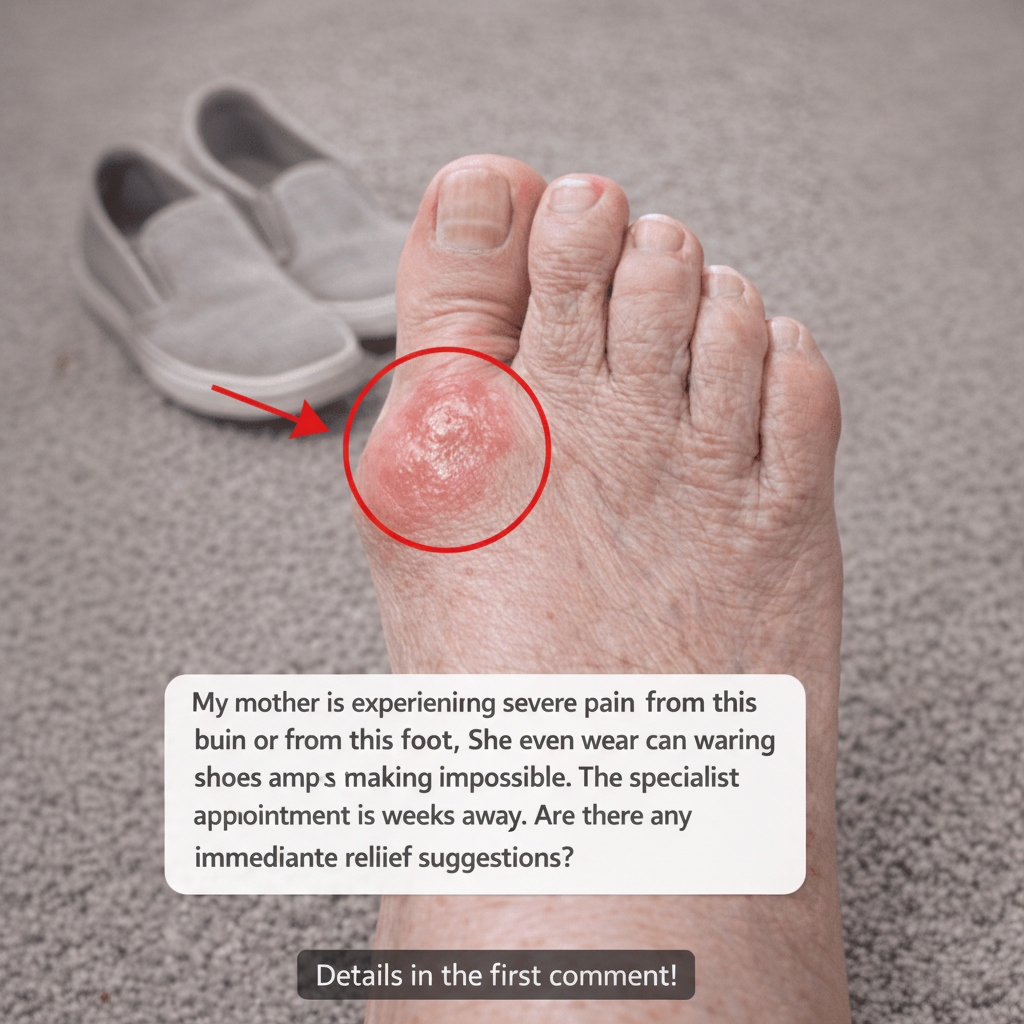
 Witnessing a loved one instantly kick off their shoes upon entering the house, the sheer relief evident on their face, is a common sight for many. What should be an ordinary day of walking, running errands, or grocery shopping can quickly turn agonizing due to a prominent, often swollen, bump at the base of the big toe. This kind of foot discomfort, frequently caused by bunions, can leave individuals and their families feeling frustrated and helpless, especially when a specialist appointment is still weeks away. Even comfortable, loose-fitting footwear can become unbearable, making daily activities a challenge. Fortunately, there are several safe and practical strategies you can implement right at home to alleviate pressure and reduce irritation while awaiting professional medical attention. This comprehensive guide will walk you through these effective methods, including some often-overlooked tips that can provide significant relief.
Is That Foot Bump a Bunion? Understanding the Signs
A bunion (medically known as hallux valgus) is a prevalent foot condition characterized by an enlargement of the joint at the base of the big toe, causing it to shift outwards. Over time, this misalignment can force the big toe to angle towards the smaller toes, resulting in a distinct, often painful, bony prominence on the side of the foot. Key indicators of a bunion typically include:
- A prominent bony protrusion at the base of the big toe
- Inflammation, redness, or swelling in the affected joint area
- Discomfort or pain, particularly when wearing specific types of footwear
- Reduced flexibility or restricted movement in the big toe
However, it’s crucial to understand that not every lump or bump on your foot is necessarily a bunion. Other potential causes for similar symptoms could be cysts, swelling related to arthritis, or general soft tissue irritation. If your symptoms are atypical, severe, or rapidly worsening, it is always recommended to seek a professional diagnosis from a podiatrist or healthcare provider to ensure proper treatment.
Prioritizing Pressure Reduction: The Immediate Solution for Bunion Pain
For many individuals suffering from bunion pain, the primary culprit is often the relentless pressure exerted by footwear. Alleviating this pressure can provide immediate and significant relief. Fortunately, a variety of straightforward products are available to help create a protective buffer around the affected area:
- Gel Bunion Pads: Designed to cushion the joint, these pads absorb impact and reduce direct friction.
- Adhesive Moleskin: When cut into a donut shape and placed around the bunion, moleskin can effectively redistribute pressure.
- Soft Silicone Toe Separators/Protectors: These can help align the toes and shield the bunion from rubbing against shoes.
- Wide, Seamless Socks: Opting for socks made from soft, breathable materials and a generous fit can minimize friction and irritation.
These simple yet effective aids establish a protective barrier between your sensitive bunion and your shoes. Even a modest layer of cushioning can transform a painful walk into a far more comfortable experience. Beyond external protection, addressing inflammation and discomfort directly is another vital step.
Immediate At-Home Strategies for Bunion Pain Relief
When inflammation and swelling develop around the big toe joint, several straightforward home care strategies can effectively soothe the irritation. Consider these widely recommended approaches:
Cold Therapy
Applying a cold compress or an ice pack, wrapped in a thin cloth, to the affected area for 10 to 15 minutes can be highly beneficial. The cold helps constrict blood vessels, which in turn reduces swelling and provides a numbing effect, significantly alleviating soreness and bunion pain.
Elevation
Whenever you are resting, elevate your foot by propping it up on pillows so that it sits slightly above the level of your heart. This simple maneuver aids in reducing fluid accumulation around the joint, which can lessen swelling and throbbing discomfort.
Over-the-Counter Anti-Inflammatory Medications
For temporary relief from pain and inflammation, non-prescription anti-inflammatory drugs (NSAIDs) like ibuprofen or naproxen can be used as directed on the packaging. However, it is always prudent to consult with your doctor or a pharmacist before starting any new medication, especially if you have underlying health conditions. While these methods offer excellent short-term relief, addressing the root cause, such as improper footwear, is often key to long-term bunion management.
Clever Padding Techniques to Enhance Footwear Comfort
A highly effective strategy, frequently endorsed by podiatrists, involves a specific padding technique. Rather than placing a pad directly over the bunion, the goal is to create a “donut-shaped” cushion around it. This ingenious method redirects pressure away from the sensitive bony protrusion. You can easily achieve this with readily available adhesive moleskin:
- Carefully cut a small, circular opening in the center of a piece of moleskin.
- Position the moleskin pad so that the bunion sits precisely within the circular hole.
- Ensure the bunion itself remains uncovered, allowing the surrounding padding to bear the pressure.
This clever technique works by redistributing the pressure across the healthy tissue surrounding the bunion, rather than applying direct compression to the inflamed joint. Such minor adjustments can significantly improve the comfort and wearability of your shoes. However, for truly transformative relief, selecting appropriate footwear is paramount.
Optimal Footwear: Key to Alleviating Bunion Discomfort
The right pair of shoes can be a game-changer for bunion sufferers, providing substantial relief, while unsuitable footwear can exacerbate the pain significantly. When selecting shoes, prioritize features designed to accommodate and protect your feet:
- Generous Toe Box: Opt for shoes with ample space in the toe area, allowing your toes to spread naturally without compression.
- Soft, Flexible Uppers: The material around the forefoot should be pliant and yielding, preventing friction and irritation against the bunion.
- Low Heels or Flat Soles: High heels push weight onto the forefoot, increasing pressure on the bunion. Choose styles with minimal heel elevation or flat soles.
- Adequate Arch Support: Proper arch support can help maintain foot alignment and distribute pressure more evenly, reducing strain on the big toe joint.
Conversely, it is crucial to avoid narrow, pointed-toe shoes that force your toes into an unnatural, squeezed position, directly aggravating bunions. Consider this quick overview:
- Narrow, Pointed Shoes: Dramatically increase pressure and friction on the bunion.
- High Heels: Place excessive stress on the big toe joint and forefoot.
- Shoes with a Wide Toe Box: Significantly reduce friction and provide essential space.
- Footwear with Soft, Flexible Materials: Enhance overall comfort and minimize irritation.
Making this single, yet significant, adjustment to your footwear choices can often lead to immediate and lasting relief from bunion pain. Beyond external support, gentle exercises can also play a role in managing discomfort.
Gentle Foot Stretches to Ease Bunion Joint Tension
Incorporating gentle stretching exercises can be beneficial for improving flexibility and reducing tension around the big toe joint, which is often stiff and painful with bunions. A simple yet effective exercise is the “Big Toe Stretch.” Follow these steps:
- Find a comfortable seated position, either on the floor or in a chair.
- Carefully grasp your big toe with your fingers.
- Gently pull the big toe away from the other toes and towards a straighter alignment, applying mild pressure.
- Hold this stretch for approximately 10 to 15 seconds, feeling a gentle pull but no sharp pain.
- Release and repeat this movement several times on each foot.
Regularly performing this stretch can help to alleviate stiffness, improve the range of motion in the affected joint, and reduce overall tension. While these home remedies offer significant comfort, remember they are complementary to, not replacements for, professional medical advice.
When to Seek Professional Medical Advice for Bunions
While these at-home strategies can offer considerable relief from bunion pain and discomfort, it’s crucial to remember they are primarily for managing symptoms. They do not correct the underlying structural deformity of a bunion. If your bunion pain persists, worsens, significantly interferes with daily activities, or if you notice any signs of infection (such as increased redness, warmth, or pus), it is imperative to consult a podiatrist or orthopedic specialist. A professional evaluation can provide an accurate diagnosis, rule out other conditions, and discuss long-term treatment options, which may include custom orthotics, physical therapy, or, in some cases, surgical correction. Taking proactive steps at home, combined with expert medical guidance, is the most effective approach to living comfortably with bunions.