 By admin
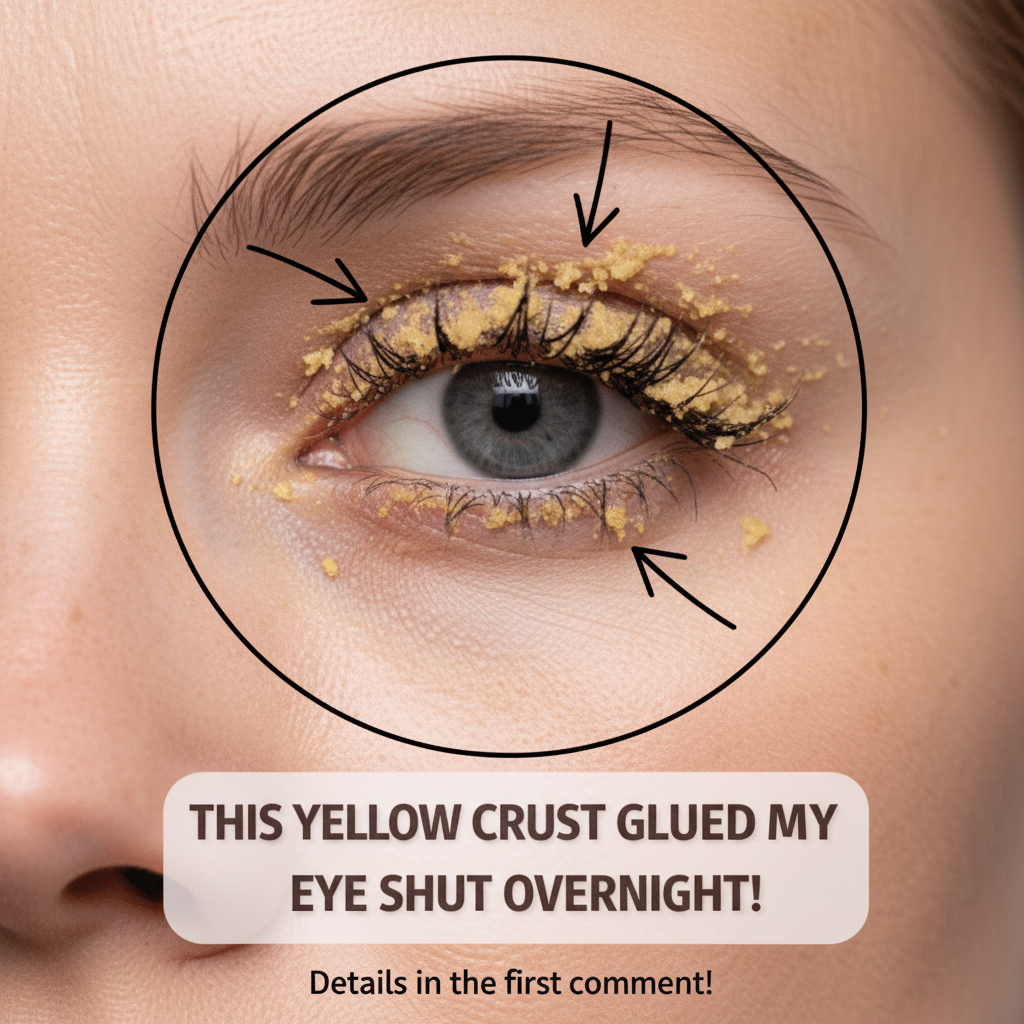
 Discovering your toddler’s eye sealed shut with sticky yellow discharge can be an alarming experience for any parent. The sight of matted eyelashes and an eyelid seemingly “glued” together with gunk can instantly transform a peaceful morning into a moment of worry, as you witness your little one’s discomfort and frustration. This common childhood issue often leads to immediate concerns about pain, potential spread to other family members, or worsening symptoms. While such occurrences frequently stem from relatively minor conditions like conjunctivitis (pink eye) or a blocked tear duct, the feeling of helplessness as your child struggles is entirely valid. The reassuring news is that several safe and gentle at-home cleaning techniques can provide immediate relief, helping your child feel more comfortable. This comprehensive guide will walk you through effective methods for managing your toddler’s eye gunk, alongside crucial indicators that signal when it’s time to seek medical attention.
Understanding Why Your Toddler’s Eye Develops Sticky Discharge
Parents frequently find themselves overwhelmed when their toddler’s eye becomes matted with yellow gunk, as it disrupts routines and visibly distresses the child. One of the most common culprits, as highlighted by pediatric guidelines, is conjunctivitis, often referred to as “pink eye.” This inflammatory condition results in sticky discharge that tends to harden, especially overnight. The accompanying redness and persistent sticking can leave your toddler feeling irritable and fussy, naturally escalating a parent’s desire to provide swift comfort.
However, conjunctivitis isn’t the sole reason for a toddler’s eye to be sealed with discharge. Another prevalent condition in young children is a blocked tear duct. When the tear drainage system doesn’t function correctly, it leads to an accumulation of mucus and crust, which can effectively “glue” the eye shut after a period of sleep. This often manifests as persistently watery eyes and recurrent crusting, causing understandable anxiety for parents concerned about their child’s ongoing comfort and ability to play without constant irritation.
Occasionally, the sticky eye issue can simply be a reaction to environmental irritants, such as dust, or a mild viral infection. This can be exacerbated if your child frequently touches their face with unwashed hands. The eye’s natural response to flush out these foreign particles or pathogens is to produce mucus, which then creates that familiar, uncomfortable “glued” sensation, adding to the distress experienced by both parent and child during waking hours.
Gentle & Safe Methods for Cleaning Your Toddler’s Sticky Eye
When your toddler wakes with an eye sealed by discharge, knowing how to clean it gently and effectively is paramount to avoid further irritation. The initial and most critical step, as emphasized by child eye care guidelines, is to ensure meticulous hand hygiene. Always wash your hands thoroughly with soap and water before touching your child’s eye to prevent the introduction of additional bacteria or contaminants.
-
Prepare Your Cleaning Material: Begin by soaking a fresh, clean cotton ball or pad in either warm, previously boiled water (cooled to a safe temperature) or a sterile saline solution. The warmth helps to loosen the dried discharge without causing discomfort.
-
Soften the Gunk: Gently place the moistened cotton ball directly over your toddler’s closed, affected eye for a brief moment. This action is designed to soften the crusted material, making it easier to remove and minimizing any uncomfortable pulling or tugging sensation that might cause your child distress.
-
Wipe Gently and Precisely: Using a fresh, clean cotton pad for each stroke, carefully wipe from the inner corner of the eye (nearest the nose) outwards towards the ear. This specific direction is crucial, as recommended by pediatric experts, to prevent the spread of bacteria or discharge across the eye and to avoid re-contaminating the clean areas. This technique helps alleviate concerns about inadvertently worsening the irritation in your toddler’s sticky eye.
-
Repeat Until Clear: Continue this process, using a new cotton ball or pad for each wipe, until all the discharge has been gently cleared and your toddler can open their eye without discomfort. Patience and a gentle touch are key here.
Important Consideration: If both of your child’s eyes are affected, it is absolutely vital to use entirely separate sets of cleaning materials (cotton balls, pads, water/saline) for each eye. This strict measure is essential to minimize any risk of cross-contamination, which could further exacerbate the condition or spread infection from one eye to the other, undoubtedly increasing parental stress.
The Soothing Power of Warm Compresses for Toddler Eye Gunk
Beyond direct cleaning, integrating warm compresses into your routine can significantly aid in managing your toddler’s sticky eye discharge. The gentle heat naturally helps to loosen stubborn crusts and provides considerable comfort. To apply, simply soak a clean, soft cloth (such as a washcloth) in warm water, wring out any excess liquid thoroughly, and then carefully place it over your child’s closed eyelid. Allow it to rest there for approximately five to ten minutes. This straightforward intervention often delivers rapid relief from the uncomfortable tightness that frequently causes toddlers to wake up distressed and rub their eyes.
Many parents have found that applying warm compresses multiple times throughout the day is highly effective in preventing the discharge from re-hardening around their toddler’s eye. The soothing warmth not only helps to reduce any associated swelling and discomfort but also offers parents peace of mind as they observe their child becoming noticeably less irritable. It is crucial, however, to consistently use a fresh, clean cloth for each application. This adherence to hygiene standards, as recommended by health professionals, is vital for preventing the cycle of re-contamination that can prolong the issue and intensify parental worry.