 By admin
 Have you ever noticed subtle, pale spots appearing on your arms and legs and wondered what they truly signify? Many individuals observe these small, flat white marks on their skin as they age, especially after extensive sun exposure over the years. While these spots typically emerge without any associated itching, pain, or discomfort, their presence can sometimes trigger concerns about changes in your skin’s natural pigmentation. The reassuring news is that, for the vast majority, these marks are benign. Gaining a clearer understanding of them, backed by insights from skin health experts, can offer genuine peace of mind. Continue reading to delve into the specifics, including practical daily habits that foster overall skin wellness.
Understanding Idiopathic Guttate Hypomelanosis (IGH)
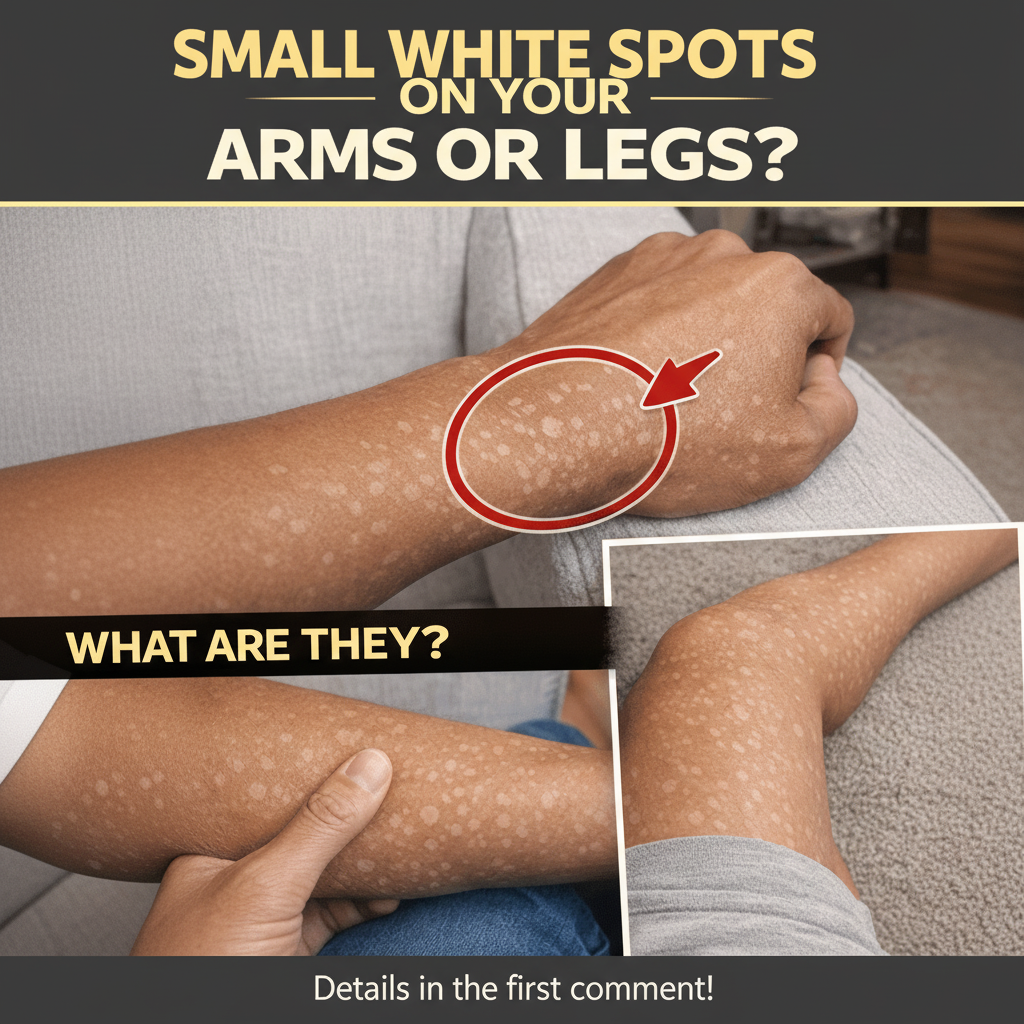
These distinctive tiny white spots are medically referred to as Idiopathic Guttate Hypomelanosis, or IGH. Dermatological research consistently identifies IGH as one of the most prevalent benign skin alterations observed in adults, particularly among individuals over the age of 40. At its core, IGH signifies a localized decrease in melanin, the vital pigment responsible for your skin’s unique color. This reduction results in the formation of these pale, typically round or oval marks, which usually measure between 2 to 5 millimeters. But what precisely causes this pigment loss?
Key Factors Contributing to White Spots on Skin
While the precise biological mechanisms behind IGH are still being thoroughly investigated, skin health professionals have identified several significant factors contributing to their development. Foremost among these is chronic exposure to ultraviolet (UV) radiation from the sun over extended periods. UV light has a demonstrable impact on melanocytes, the specialized cells responsible for generating melanin, leading to the observed pigment reduction. Furthermore, a genetic component often plays a role, with a tendency for IGH to manifest in multiple family members across generations. Skin tone also influences visibility; these spots may be more apparent on lighter complexions and can appear quite distinct on darker skin types. Research indicates these primary contributors:
- Long-term, cumulative sun exposure (UV damage)
- The natural process of skin aging
- A potential inherited predisposition
- In some instances, minor skin trauma or injury
Essentially, the appearance of these white spots frequently serves as a visual testament to the amount of sun exposure your skin has accumulated over a lifetime. They are generally considered a benign dermatological finding, reflecting the ongoing interaction between your skin and its environment.
Identifying Idiopathic Guttate Hypomelanosis (IGH)
Recognizing IGH is relatively straightforward due to its characteristic appearance. These spots are consistently smooth and flat, lacking any elevated borders or alterations in skin texture. They predominantly manifest on areas of the body frequently exposed to the sun, including:
- The forearms
- Shins and lower legs
- Upper arms
- Occasionally, the upper back or chest
Crucially, unlike certain other skin conditions, IGH spots are asymptomatic – they do not itch, cause pain, or exhibit rapid growth or spread. Their development is typically gradual, and once formed, they tend to remain stable in both size and shape. Observing an increase in these spots over several years, particularly following periods of significant outdoor activity, is a common experience and aligns with the typical progression of IGH.
Proactive Skin Care Habits for Optimal Skin Wellness
Even though IGH spots are benign and generally don’t necessitate medical treatment for health concerns, many individuals are motivated to adopt proactive measures to enhance their skin’s overall appearance and ensure its long-term protection. Drawing from expert dermatological advice, here are some actionable daily habits to consider:
- Consistent Sunscreen Application: Make broad-spectrum sunscreen with an SPF of 30 or higher a non-negotiable part of your daily routine. Reapply it generously every two hours when exposed to the outdoors to create a vital shield against further UV damage.
- Embrace Protective Apparel: Opt for clothing that offers physical barriers against the sun. Long-sleeved shirts, trousers, and garments with a UPF (Ultraviolet Protection Factor) rating are excellent choices for minimizing direct sun exposure on vulnerable areas like your arms and legs.
- Prioritize Shade During Peak Hours: Strategically seek shade, especially between 10 a.m. and 4 p.m., when the sun’s UV rays are most intense. Reducing cumulative exposure during these times significantly contributes to skin health.
- Regular Moisturization: Maintain your skin’s hydration levels by moisturizing consistently. Well-hydrated skin supports its natural protective barrier, leading to improved comfort and resilience.
- Nourish from Within with Antioxidants: Integrate a wealth of antioxidant-rich foods into your diet. Fruits and vegetables like berries, leafy greens, and citrus provide essential nutrients that bolster skin health and vitality from the inside out.
However, there’s a singular, overarching habit that underpins the effectiveness of all these practices and is paramount for enduring skin wellness…
The Indispensable Role of Consistent Sun Protection for Lasting Skin Health
Beyond merely preventing the development of new white spots, consistent and diligent sun protection stands as one of the most impactful strategies for preserving an even skin tone and bolstering your skin’s inherent resilience as you gracefully age. Extensive research underscores that actively minimizing continuous UV exposure can profoundly influence your skin’s appearance and texture over the years. Consider robust sun protection an invaluable investment in your skin’s future: the straightforward, protective habits you adopt today are instrumental in cultivating and sustaining a more uniform, healthier complexion for decades to come.
When to Consult a Skin Health Professional
While idiopathic guttate hypomelanosis is typically harmless, it is always prudent to seek professional medical advice if you observe any concerning changes in your skin. Specifically, if the white spots suddenly alter in appearance, rapidly increase in size, or are accompanied by additional symptoms such as itching, scaling, pain, or inflammation, it is highly recommended to consult a qualified dermatologist. A professional evaluation can accurately diagnose your condition and rule out any other potential skin concerns, ensuring your peace of mind and appropriate care.