 By admin
 You’re winding down your day, perhaps folding laundry, when you notice unexpected light spotting that doesn’t align with your menstrual cycle. It’s not your period, there’s no pain, yet a quiet uncertainty lingers, making you wonder if it’s just hormonal shifts or something more significant. Many women in their 30s, 40s, and beyond frequently dismiss these minor reproductive changes, attributing them to stress, aging, or hormonal imbalances. This uncertainty can build, potentially delaying vital conversations with a healthcare provider.
Cervical cancer remains one of the most preventable cancers, primarily through increased awareness and timely screening. However, its initial, often subtle, indicators are frequently overlooked amidst the demands of modern life. By the end of this article, you’ll gain crucial insights into prevention that could fundamentally change your approach to your gynecological health forever.
🔍 Why Cervical Cancer Often Progresses Undetected
Life after 35 accelerates rapidly. Career demands intensify, family responsibilities multiply, and personal health often slides down the priority list. In this busy context, the subtle signs of cervical cancer are frequently rationalized as normal bodily fluctuations, eroding confidence over time. The vast majority of cases are driven by persistent high-risk Human Papillomavirus (HPV) infection, which can remain dormant and asymptomatic for years. During this silent period, abnormal cells can develop without causing pain or obvious alerts, transforming what could have been simple, early management into more complex challenges down the line.
Leading health organizations, including the Mayo Clinic and the American Cancer Society, consistently emphasize that early detection through regular screening dramatically improves treatment outcomes and survival rates. But the question persists: how do you discern when a change truly warrants medical attention? Let’s build that clarity together, step by step.
❓ The Deceptive Nature of Early Cervical Changes
It’s natural to assume that serious health issues would manifest with undeniable, alarming symptoms. Yet, the early signs of cervical cancer often appear as minor disruptions to your established patterns. These subtle shifts are easy to explain away but are incredibly important when recognized promptly. Such clues rarely trigger immediate panic; instead, they whisper through changes in bleeding, discharge, or general comfort, often linked to alterations in cervical tissue. Regularly tracking your body’s norms can significantly sharpen your awareness, reducing the emotional burden of constant worry. Noticing a change isn’t a call for panic; it’s an empowering step towards informed action and proactive healthcare. Now, let’s explore the specific signs most women tend to overlook.
9. Changes in Urination or Bowel Habits
Experiencing frequent urges to urinate, difficulty fully emptying your bladder, or noticeable shifts in your bowel patterns can often be attributed to dietary changes, hydration levels, or even the natural aging process. However, when these symptoms become persistent, they can be frustrating and may indicate increased pelvic pressure or changes within the area. As highlighted by insights from the Cleveland Clinic, these are among the often-missed early warning signs of cervical cancer, reflecting potential effects on nearby organs and making daily routines uncomfortable. Noticing such patterns should prompt curiosity rather than fear. If these changes are coupled with other symptoms, it strengthens the case for a comprehensive medical evaluation. But let’s begin with one of the most frequently reported clues.
8. Leg Pain or Swelling
Unexplained discomfort, pain, or swelling in one leg can disrupt mobility and raise quiet concerns, especially if it persists and is localized to a single side. While less common in the very early stages, this symptom can be an indicator of cervical cancer, potentially signaling more advanced effects, which underscores the critical importance of recognizing earlier, more subtle clues. The American Cancer Society notes this as a symptom that can appear in later stages, further emphasizing the value of proactive health checks. Such discomfort can limit your ability to engage in enjoyable activities, adding significant emotional strain. This often coincides with a general feeling of fatigue.
7. Unexplained Fatigue or Weakness
Persistent, profound exhaustion without a clear underlying reason can drain your energy for work, family, and personal enjoyment, leaving you feeling perpetually “heavy” or “walking through mud.” While numerous conditions can cause fatigue, when it occurs alongside other concerning symptoms, it warrants attention as a subtle sign of cervical cancer, according to various observational reports from healthcare professionals. This type of fatigue can compound daily stress, making adequate rest feel elusive. Recognizing it as a potential piece of diagnostic data empowers you to seek further investigation. However, more specific pelvic clues often emerge first.
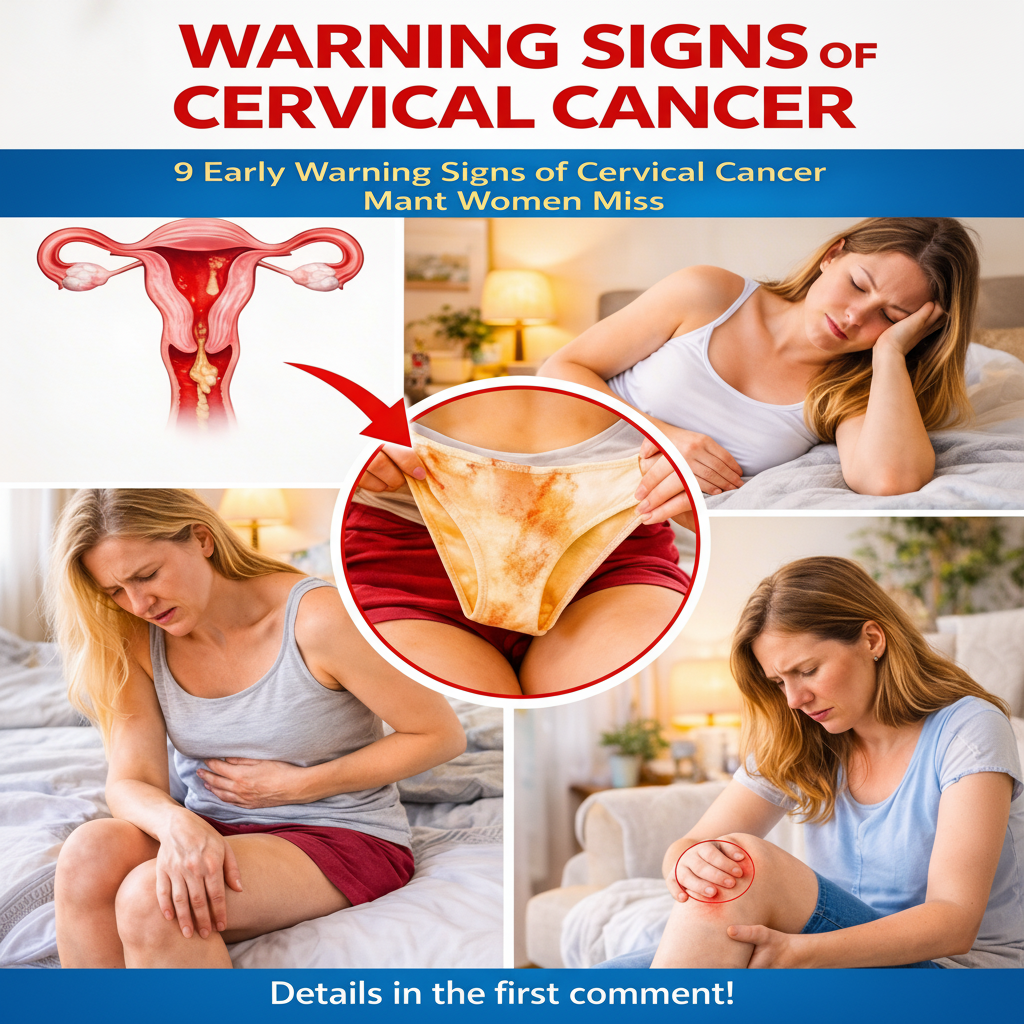
6. Bleeding After Menopause
Any instance of spotting or bleeding after you have officially entered menopause disrupts the expected calm and can spark significant confusion and concern about what your body is trying to communicate. Postmenopausal bleeding is a critical alert that should never be ignored. Medical guidelines from institutions like the Mayo Clinic and others directly link it to potential cervical changes. Even light or infrequent occurrences warrant immediate discussion with a doctor to alleviate uncertainty. It challenges assumptions about “being done” with menstrual cycles, but a prompt response can bring immense relief and clarity. Menstrual pattern shifts in pre-menopausal women often precede this particular sign.
5. Longer or Heavier Menstrual Periods
When your monthly periods begin to stretch longer, flow significantly heavier, or leave you feeling more drained and debilitated than ever before, these cycles can transform into exhausting ordeals you come to dread. These alterations in menstrual patterns are recognized among the common symptoms of cervical cancer, reflecting possible impacts on cervical tissue, as highlighted by organizations like the American Cancer Society. Briefly tracking these changes can quickly reveal a concerning trend.
4. Pain During Sexual Intercourse (Dyspareunia)
Experiencing persistent pain or discomfort during sexual intercourse, medically known as dyspareunia, can significantly impact intimacy and overall well-being. While various factors can contribute to this issue, new or worsening pain during sex can be a less common but important warning sign of cervical abnormalities or cancer. This symptom might be due to changes in cervical tissue, inflammation, or the presence of lesions. It’s often overlooked or dismissed due to embarrassment or the assumption of other causes, but any persistent discomfort warrants a discussion with a healthcare provider to rule out serious conditions.
3. Unusual Vaginal Discharge
A change in vaginal discharge is a common occurrence, but specific characteristics can be cause for concern. While normal discharge is usually clear or milky and odorless, an unusual vaginal discharge associated with cervical cancer might be watery, pale, brown, bloody, or have a foul odor. This discharge may also contain fragments of tissue. Women often attribute changes in discharge to infections or hormonal shifts, delaying investigation. However, if the discharge is persistent, unusual in color or smell, or accompanied by other symptoms, it’s crucial to seek medical advice. This sign points directly to potential changes in the cervix.
2. Pelvic Pain or Discomfort
Persistent pain or pressure in the pelvic region, not directly linked to your menstrual cycle, can be a worrying symptom. While generalized pelvic discomfort can arise from many benign conditions, unexplained or chronic pelvic pain can also be an early indicator of cervical cancer, especially as the disease progresses locally. This pain might be dull, aching, or sharp, and can spread to the lower back or legs. Many women might attribute such pain to digestive issues, muscle strain, or other gynecological conditions like fibroids, leading to delayed diagnosis. Any new or worsening pelvic pain should be investigated by a medical professional.
1. Bleeding Between Periods or After Sex
Perhaps the most critical and frequently cited early warning sign of cervical cancer is abnormal vaginal bleeding. This includes bleeding between regular menstrual periods (intermenstrual bleeding) or bleeding after sexual intercourse (post-coital bleeding). These types of bleeding are never considered normal and are strong indicators that something is amiss with the cervix. Many women might initially dismiss light spotting as irregular cycles or minor irritation. However, any unexpected bleeding, regardless of its amount, signifies a need for urgent medical evaluation. This symptom directly suggests changes to the delicate tissues of the cervix and should prompt immediate consultation with a doctor.”
}
“`