 By admin
 Rediscover Smoothness: 5 Essential Home Habits for Cracked Heels After 50
Dry, cracked heels can be more than just a cosmetic concern; they often bring discomfort, pain, and even embarrassment, especially as we age. It’s a common issue, yet many effective home remedies are frequently overlooked. The good news? Achieving smoother, more comfortable feet doesn’t require expensive treatments. By incorporating a few gentle daily habits and utilizing simple, natural ingredients often found in your own kitchen, you can significantly improve the condition of your heels. And stay tuned, because one surprising kitchen staple towards the end of this guide might just revolutionize your foot care routine.
Understanding Why Heels Crack with Age
Before diving into practical solutions, it’s beneficial to understand the underlying reasons why cracked heels become more prevalent as we get older. As skin matures, its natural oil production decreases, leading to drier, less elastic skin. This change particularly affects the thick skin on the heels. When this dry, inelastic skin is subjected to constant pressure from standing or walking, it can lose its integrity and develop small, painful fissures.
Several everyday factors can exacerbate this issue:
- Wearing open-backed footwear like sandals for extended periods.
- Spending long hours standing on hard surfaces.
- Frequent hot showers or baths that strip the skin of its natural protective oils.
- Inconsistent moisturizing practices.
- Insufficient hydration or a diet lacking in healthy fats.
Dermatological research consistently highlights that maintaining adequate moisture and minimizing friction are paramount for healthy heel skin. While many people focus solely on applying creams, the real secret lies in adopting small, consistent daily habits that yield profound results.
Habit 1: The Soothing Warm Water and Salt Foot Soak
Begin your journey to smoother heels with a time-honored tradition: a warm foot soak. This simple yet powerful step is crucial for softening hardened skin, making subsequent treatments far more effective.
Why This Helps Your Heels:
- Deep Hydration: Warm water penetrates and hydrates the outermost layers of the skin.
- Gentle Cleansing: Natural salt can aid in gently purifying the skin’s surface.
- Softens Calluses: Soaking helps to soften thick, callused areas, preparing them for exfoliation.
Simple Method:
- Fill a basin with comfortably warm water.
- Add one tablespoon of natural salt (Epsom salt or sea salt works well).
- Submerge your feet and soak for 10 to 15 minutes.
- Gently pat your heels dry with a soft towel.
This foundational step sets the stage for optimal results, especially when paired with the next habit.
Habit 2: Gentle Exfoliation for Removing Dry Skin
A critical step often overlooked in heel care is the removal of accumulated dead skin cells. Cracked heels frequently develop due to layers of dry, dead skin building up over time. Gently exfoliating these hardened layers allows moisturizers to penetrate more effectively and encourages healthier skin regeneration.
Safe Exfoliation Guidelines:
- Always exfoliate after a foot soak when the skin is soft.
- Use a pumice stone or a specialized foot file.
- Employ gentle, circular motions.
- Avoid aggressive scraping, which can irritate the skin and worsen dryness.
Experts typically recommend limiting exfoliation to two or three times per week. Over-exfoliation can strip the skin’s protective barrier, leading to increased irritation and dryness, counteracting your efforts.
Habit 3: Natural Oils for Intensive Moisture
Moisture is arguably the most vital component of any effective heel care routine. Without consistent hydration, even the most diligent exfoliation will offer limited benefits. Natural oils are particularly effective because they form a protective barrier on the skin’s surface, significantly reducing transepidermal water loss and locking in moisture.
Popular Natural Oil Options:
- Coconut oil: Known for its emollient and anti-inflammatory properties.
- Olive oil: Rich in antioxidants and deeply moisturizing.
- Sweet almond oil: Lightweight, easily absorbed, and packed with vitamins.
Application Tips:
- Warm a small amount of your chosen oil between your hands.
- Gently massage the oil into your heel area, paying close attention to any cracked or dry spots.
- For enhanced absorption, consider applying before bedtime and covering with cotton socks (see Habit 5).
Now for that intriguing kitchen ingredient that might just surprise you with its skin-supporting capabilities.
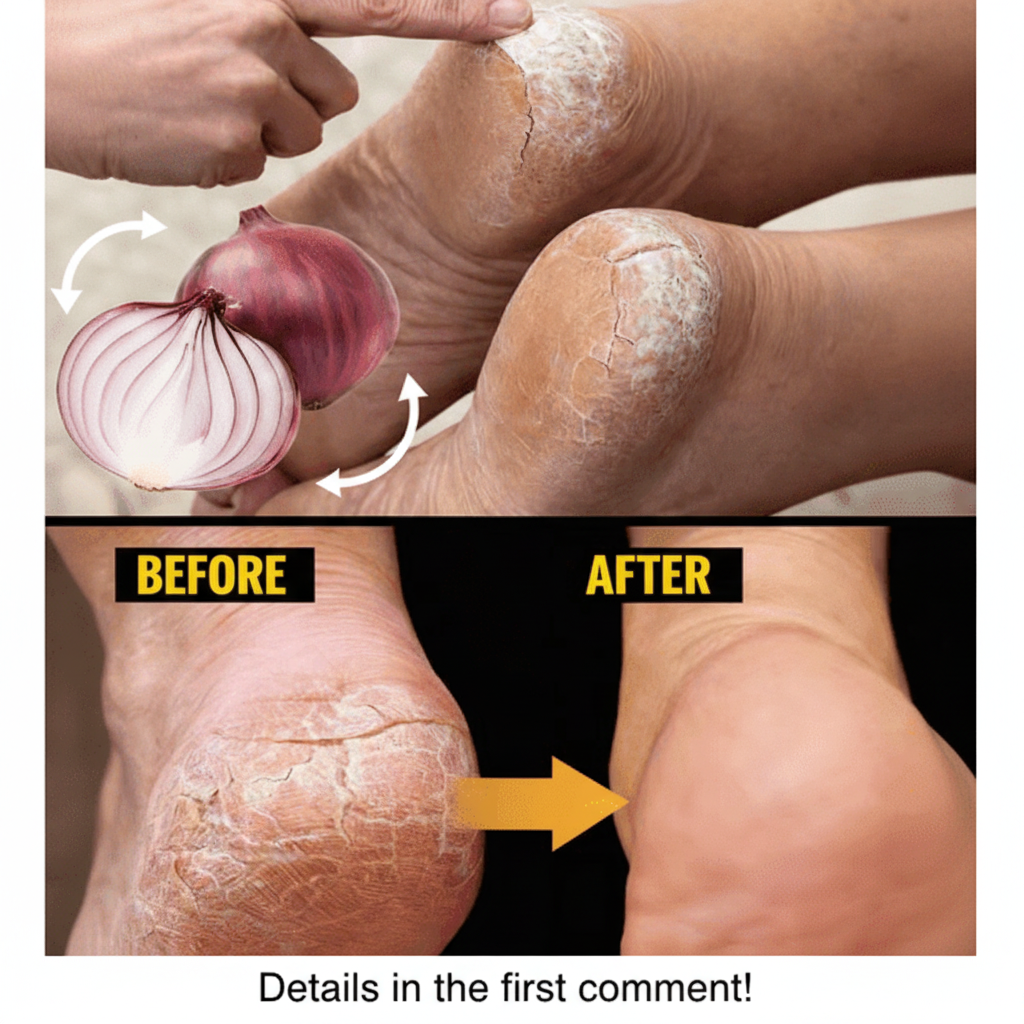
Habit 4: The Onion-Based Foot Mask for Skin Comfort
It might sound unconventional, but onions are packed with natural compounds like sulfur and powerful antioxidants. These components have been studied for their potential skin-supporting properties and have been utilized in various traditional remedies to soften rough skin. A simple onion-based mask can contribute to improved skin comfort and texture.
A Simple Home Preparation:
- Grate half a red onion.
- Mix the grated onion with one tablespoon of olive oil to create a paste.
- Gently apply the mixture to the heel area.
- Leave the mask on for approximately 10 minutes.
- Rinse thoroughly with warm water.
Important Note: Always perform a patch test on a small, inconspicuous area of skin first to check for any sensitivity or allergic reaction. Remember, these home remedies are intended to support skin hydration and softness, not to replace professional medical care for severe conditions.
Habit 5: The Overnight Sock Method
This final step is a simple yet highly effective habit often recommended by dermatologists, and it costs virtually nothing. After moisturizing your heels thoroughly at night, wear a pair of soft cotton socks to bed.
Why This Method Works Wonders:
- Traps Moisture: Socks create a barrier that helps trap the applied moisturizer or oil against your skin, preventing it from evaporating.
- Reduces Friction: They protect your heels from friction with bedding, which can aggravate dry skin.
- Enhances Absorption: The warmth and enclosed environment allow oils and creams to absorb slowly and deeply overnight.
Many individuals report noticeably softer heels within just a few nights of consistently following this routine. Consistency, indeed, is the true secret to lasting results.
Your Simple Daily Heel Care Routine
Here’s a practical, easy-to-follow routine that many people, especially those over 50, find beneficial for maintaining healthy, smooth heels:
Morning:
- Apply a light moisturizer to your heels.
- Whenever possible, opt for supportive, closed-back shoes to protect your feet.
Evening:
- Begin with a warm foot soak (2-3 times per week).
- Gently exfoliate if necessary (2-3 times per week, after soaking).
- Apply a generous amount of natural oil or a rich foot cream.
- Wear soft cotton socks overnight.
By integrating these five simple habits into your daily life, you can effectively combat cracked heels and enjoy the comfort of smoother, healthier feet, regardless of your age.