 By admin
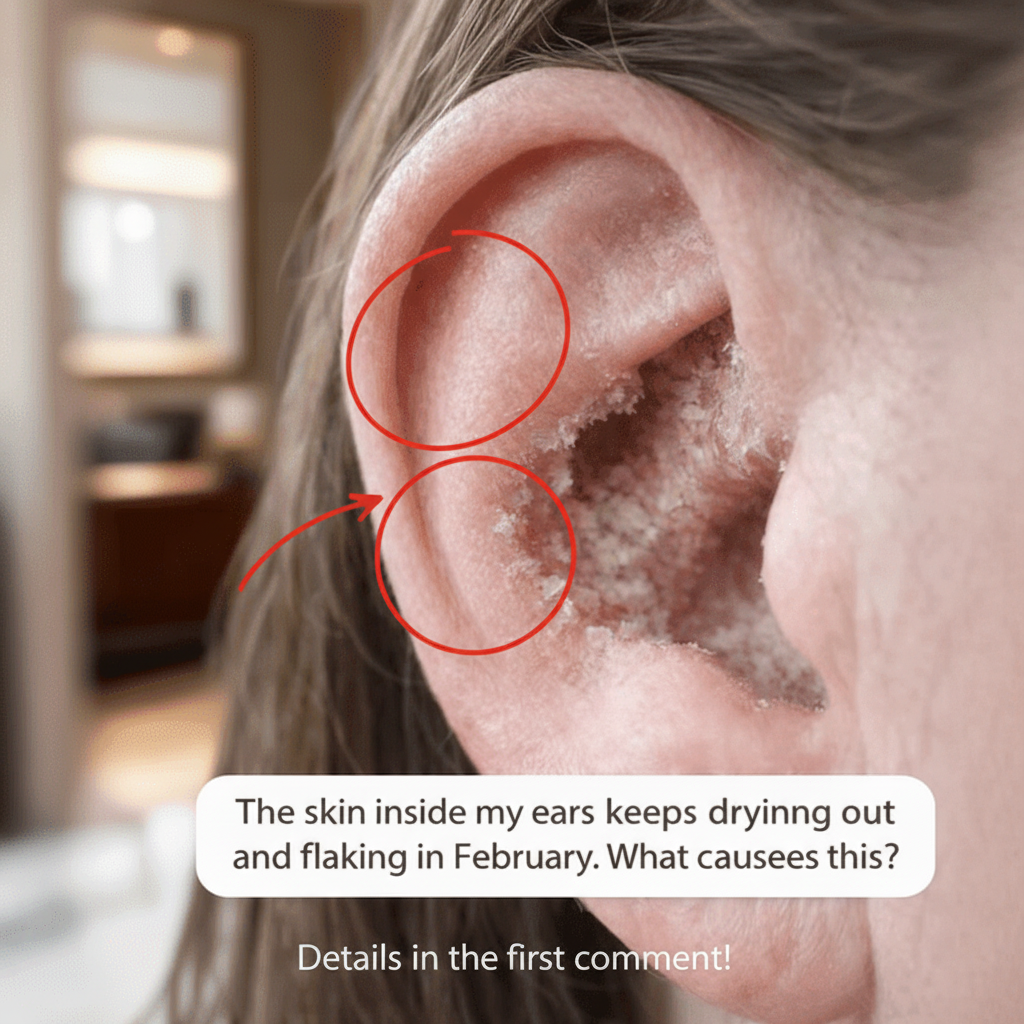
 Imagine you’re enjoying a conversation, only to be interrupted by an insistent itch deep within your ear. A quick scratch, and suddenly, tiny flakes drift onto your clothing. This common, yet often embarrassing, experience of dry, flaky ears is more prevalent than many realize, particularly as the colder months set in, peaking around February when environmental dryness is at its height. While this irritation might seem minor, it often signals underlying issues contributing to seasonal ear dryness. What’s more, a seemingly innocent daily habit could be exacerbating the problem without you even knowing. To truly protect your ears, let’s first uncover the intricate processes occurring within the delicate skin of the ear canal.
What Happens to Your Ear Skin During Colder Months?
The skin lining your ear canal is remarkably delicate and highly sensitive, possessing significantly fewer oil glands compared to other parts of your body. As winter progresses, typically from January through February, a confluence of environmental factors conspires against this fragile skin. The ambient air becomes notably drier, while pervasive indoor heating systems further strip moisture from the atmosphere. Additionally, exposure to cold, harsh winds can compromise the skin’s natural barrier. This relentless assault leads to a depletion of the ear’s inherent protective oils. Once this vital moisture barrier is compromised, the skin inevitably dries out, leading to the familiar flaking. Dermatological studies frequently refer to this phenomenon as seasonal xerosis – a condition characterized by skin moisture loss directly attributable to environmental shifts. Yet, this environmental impact represents only a piece of the puzzle, as many individuals unknowingly worsen their winter ear dryness through common daily practices.
February’s Dry Air: A Major Factor in Ear Dryness
Across numerous regions, February frequently stands out as one of the calendar’s driest months. The significantly reduced humidity levels mean the surrounding air actively draws moisture away from your skin. This constant moisture depletion renders the outer layer of your skin barrier increasingly fragile. Within the ear canal, this desiccation effect is particularly pronounced due to the inherent delicacy of its skin. A drop in humidity can manifest in several ways:
- A noticeable sensation of skin tightness and itching
- The appearance of fine, dry flakes within the ear
- Occasional mild redness
- Earwax becoming noticeably drier and more crumbly
Crucially, earwax plays a vital protective role for your ears, functioning as both a natural moisturizer and a robust barrier. When harsh winter conditions diminish its efficacy, the ear canal’s delicate environment becomes significantly more vulnerable. Regrettably, many individuals inadvertently exacerbate this vulnerability by removing this essential protection themselves.
The Surprising Habit Worsening Your Ear Dryness
Let’s address a common practice many have been taught to believe is beneficial: cleaning your ears with cotton swabs. While the act might feel satisfying, medical professionals consistently advise against inserting cotton swabs into the ear canal. The fundamental reason is that these tools inadvertently remove the very substance essential for maintaining ear health: earwax. This natural secretion performs several crucial protective functions:
- It keeps the delicate ear canal adequately moisturized.
- It effectively traps invading dust particles and bacteria.
- It helps maintain the overall healthy pH and skin balance within the ear.
When cotton swabs are used habitually to clear earwax, the ear canal is stripped of its natural lubrication, leading to dryness and irritation. This repeated interference can, over time, directly contribute to the development of flaky skin and persistent itching. To illustrate this point, consider the following comparison:
| Habit | Effect on Ear Skin |
|---|---|
| Frequent cotton swab use | Removes natural oils and wax |
| Leaving earwax alone | Maintains moisture barrier |
| Gentle outer ear cleaning | Safe and protective |
Aging and Ear Dryness: Why It’s More Common in Older Adults
With advancing age, the body’s natural production of sebum – the skin’s protective oil – gradually diminishes. This systemic change impacts skin across the entire body, including the delicate lining of the ear canal. For many individuals over the age of 60, the skin barrier becomes noticeably thinner and more susceptible to damage, leading to a faster rate of moisture loss. Several age-related physiological shifts collectively contribute to this heightened vulnerability:
- A significant reduction in natural oil (sebum) production.
- A slower rate of skin cell renewal, impacting barrier integrity.
- An increased sensitivity to environmental stressors like cold weather.
Dermatological studies consistently indicate that older adults face a significantly higher predisposition to seasonal dry skin conditions. This explains why symptoms like ear flaking frequently emerge or worsen abruptly during the colder winter months. However, it’s also important to recognize that ear dryness can, in some instances, be symptomatic of underlying dermatological conditions.
Beyond Winter: When Flaky Ear Skin Signals Other Conditions
While winter dryness and certain habits are primary culprits, it’s crucial to understand that persistent ear dryness and flaking can sometimes be indicators of more specific dermatological conditions. These may include common skin issues such as:
- Seborrheic dermatitis (a common inflammatory skin condition)
- Eczema (atopic dermatitis, causing itchy, inflamed skin)
- Contact dermatitis resulting from irritation by hair products, jewelry, or other allergens
If your ear dryness is linked to one of these conditions, you might experience additional symptoms beyond typical winter dryness, such as:
- Persistent and intense itching
- Noticeable redness and inflammation
- The presence of thicker, more stubborn skin flakes
If you suspect an underlying skin condition, it is always best to consult a healthcare professional for an accurate diagnosis and appropriate treatment.