 By admin
 Do you dream of achieving lustrous, resilient hair and a glowing complexion without relying on expensive salon treatments or complex product routines? Many individuals grapple with common concerns like brittle strands, lack of shine, or environmental damage, often feeling discouraged by the fleeting results of conventional remedies. The solution might be closer than you think, nestled within your kitchen pantry: rice water. This age-old, natural beauty secret, cherished across generations in various Asian cultures, presents an incredibly cost-effective and simple approach to nurturing both your hair and skin. While its reputation as a potent home remedy is widespread, mastering its preparation and application is key to unlocking its full potential. Continue reading to uncover the precise methods that could revolutionize your beauty regimen.
What Exactly Is Rice Water?
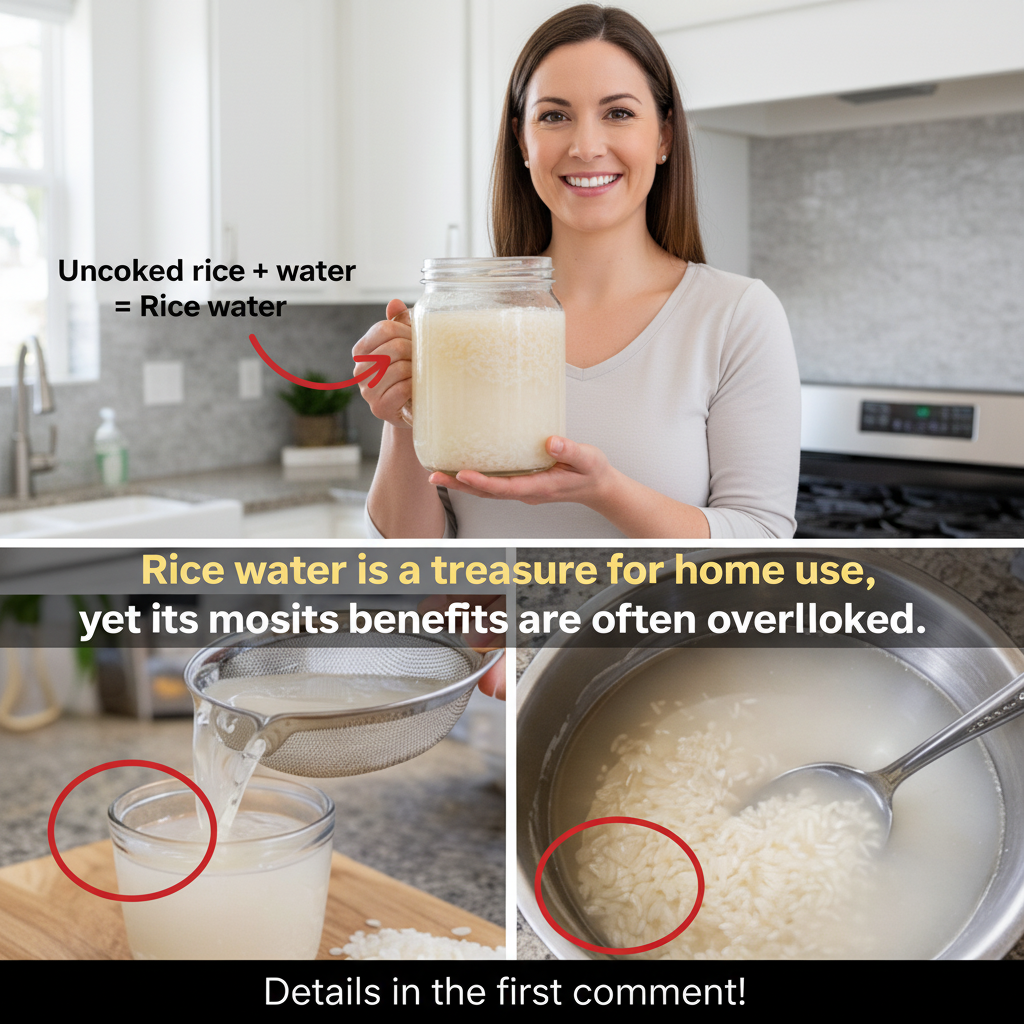
At its essence, rice water is the milky, nutrient-rich fluid obtained from either soaking or boiling rice. Far from being a contemporary trend, this potent liquid has captivated beauty enthusiasts for centuries due to its abundant concentration of vitamins, minerals, and various beneficial organic compounds. Its historical roots run deep; during Japan’s Heian period (794–1185 AD), imperial court ladies famously relied on rice water to cultivate and maintain their exceptionally long, glossy hair. Fast forward to the present day, and the Red Yao women of China’s Huangluo village continue this revered tradition, attributing their remarkable, floor-length tresses—which often retain their strength and sheen well into their later years—to regular applications of fermented rice water. The efficacy of this ancient elixir largely stems from its natural composition, which includes vital amino acids, powerful antioxidants, and notably, inositol. This unique carbohydrate is particularly significant, as preliminary research suggests it plays a crucial role in enhancing hair elasticity and overall strand strength.
The Potential Benefits for Hair and Skin
For centuries, individuals across the globe have integrated rice water into their cherished beauty regimens, and contemporary research is beginning to illuminate the scientific basis behind its reputed benefits.
For Hair Health:
Investigations into rice-derived components, such as rice bran extracts, indicate their potential to bolster the hair growth cycle. Specifically, they appear to foster elements that sustain the active growth (anagen) phase of hair. A comprehensive 2022 systematic review published in the Journal of Drugs in Dermatology presented compelling findings, suggesting that topical applications of rice bran could stimulate cell proliferation within hair follicles and mitigate the activity of enzymes associated with hair cycle transitions. Furthermore, both anecdotal accounts and preliminary studies frequently highlight enhanced hair elasticity, translating to reduced susceptibility to breakage, and a noticeable increase in natural shine due to minimized surface friction. The inositol present in rice water is particularly noteworthy, with some research suggesting its capacity to internally repair compromised hair strands, thereby aiding in optimal moisture retention and imparting a smoother texture.
For Skin Radiance:
Beyond its remarkable impact on hair, fermented rice water also exhibits promising attributes for skin care. Laboratory studies reveal its potent antioxidant properties, which can effectively counteract oxidative stress—a primary contributor to premature aging. A 2018 study featured in the Cosmetics journal underscored its potential anti-aging effects, including improved skin hydration and a reduction in elastase activity, an enzyme directly implicated in the skin aging process. Moreover, there’s evidence suggesting it contributes to a fortified skin barrier function and enhanced moisture retention, leading to a more supple and youthful complexion.
Important Considerations:
While these findings are indeed encouraging and provide a scientific foundation for rice water’s traditional use, it is crucial to note that a significant portion of the robust scientific evidence stems from studies involving highly concentrated rice bran extracts or specific fermented derivatives, rather than basic homemade rice water. Individual outcomes can differ substantially, and the scientific community emphasizes the need for more extensive, large-scale human clinical trials to conclusively validate these benefits. Nevertheless, the intrinsic power of fermentation often amplifies these advantages, concentrating beneficial compounds and elevating the efficacy of the rice water.
Fermented vs. Plain Rice Water: Which Is Better?
When considering which type of rice water to incorporate into your routine, the choice often comes down to plain versus fermented. Each offers distinct advantages, though traditional practices frequently favor the latter for its heightened potency.
Plain Rice Water (Soaked or Boiled): This version is the simplest and quickest to prepare. It provides a gentle infusion of starches and fundamental nutrients, ideal for a mild rinse. It’s a great starting point for those new to rice water treatments.
Fermented Rice Water: By allowing rice water to sit for a period, it undergoes a natural fermentation process. This transformation creates a slightly acidic solution, which is believed to enhance the concentration of beneficial compounds, including advanced antioxidants and nourishing organic acids. This acidic pH is also thought to be more akin to the natural pH of the hair and scalp, potentially optimizing cuticle closure and shine. Many traditional practitioners, such as the renowned Yao women, specifically opt for fermented rice water, valuing its deeper nourishing and revitalizing properties. Research on fermented rice products consistently highlights their superior moisturizing and anti-inflammatory capabilities when compared to their non-fermented counterparts.
To help you decide, here’s a brief overview:
- Preparation Time: Plain – Approximately 30 minutes; Fermented – Typically 1 to 3 days.
- Scent Profile: Plain – Generally mild and subtle; Fermented – Develops a distinct tangy aroma, which some users may find potent.
- Potential Benefits: Fermented rice water often boasts a higher concentration of beneficial compounds, potentially offering enhanced antioxidant activity and deeper nourishment.
- Beginner Friendliness: If you’re sensitive to strong smells, starting with plain rice water is recommended before transitioning to the fermented version.
How to Make Rice Water at Home: Step-by-Step Guide
Eager to experience the benefits of homemade rice water for yourself? Follow these straightforward, safe preparation methods to create your own batches.
What You’ll Need:
- ½ cup uncooked rice (any type: white, brown, or jasmine – organic is preferred for purity)
- 2-3 cups filtered water
Method 1: Quick Soaking (Plain Rice Water)
- Rinse the Rice: Begin by thoroughly rinsing the ½ cup of rice under cool running water. This step is crucial to remove any surface impurities, excess starch, or debris.
- Soak the Rice: Transfer the rinsed rice into a clean bowl or jar. Pour 2-3 cups of filtered water over the rice, ensuring it is fully submerged.
- Steep: Gently stir the mixture, then allow the rice to soak undisturbed for approximately 30 minutes. This duration is sufficient for the water to absorb key nutrients.
- Strain and Store: Carefully strain the starchy liquid into a separate, clean container or jar. You can either discard the soaked rice or cook it for consumption.
- Usage: Your plain rice water is now ready for immediate use. For later application, store it in the refrigerator, where it will remain fresh for up to one week.
Method 2: Fermented Version (Traditional Method)
- Initial Rinse and Soak: Follow steps 1 and 2 from Method 1. Rinse ½ cup of rice and soak it in 2-3 cups of filtered water in a clean jar or bowl.
- Begin Fermentation: Instead of straining after 30 minutes, cover the jar loosely (to allow air circulation) and leave it at room temperature (ideally 68-75°F or 20-24°C) for 24 to 72 hours. The exact time depends on the ambient temperature and how strong you want the fermentation. You might notice a slightly sour smell and a cloudy appearance—these are signs of fermentation.
- Check for Fermentation: Periodically sniff the water. Once it develops a faint, sour, or tangy aroma (similar to very diluted yogurt), it’s ready. Avoid over-fermenting, which can lead to a very strong, unpleasant smell and potential spoilage.
- Strain and Store: Strain the fermented rice water into a clean jar.
- Usage: Dilute the fermented rice water with 1-2 parts plain water before use, as it is more concentrated. Store any unused portion in the refrigerator for up to a week.