 By admin
 Endometriosis: 13 Critical Warning Signs You Should Never Overlook
For millions of women globally, persistent monthly discomfort isn’t merely a “bad period” but a debilitating challenge that infiltrates work, relationships, and daily life. Despite affecting approximately 1 in 10 women of reproductive age worldwide, endometriosis often remains undiagnosed for years, its subtle symptoms dismissed or misattributed. This chronic condition can quietly escalate, impacting everything from energy levels to intimate relationships, leaving individuals feeling drained and frustrated. However, understanding these often-overlooked indicators early can empower you to take proactive steps towards a diagnosis and improved well-being. This guide will illuminate the crucial signs that warrant your attention.
What Exactly Is Endometriosis?
Endometriosis is a chronic, often painful disorder where tissue similar to the lining of your uterus (the endometrium) grows outside the uterus. This misplaced tissue, known as endometrial implants, can be found on organs such as the ovaries, fallopian tubes, and the outer surface of the uterus, or even on the bowel or bladder. Throughout your menstrual cycle, these implants respond to hormonal fluctuations in the same way your uterine lining does—they thicken, break down, and bleed. However, unlike menstrual blood that exits the body, this blood has no escape, leading to inflammation, cyst formation, scar tissue, and severe pain.
Medical experts, including those at leading institutions like the Mayo Clinic and Cleveland Clinic, emphasize that the presentation of endometriosis varies significantly. While some women experience only mild issues, others face profound challenges that severely diminish their quality of life. Crucially, the intensity of your pain doesn’t always correlate with the extent of the disease. You might have advanced endometriosis with relatively manageable symptoms, or a milder form causing intense discomfort. This variability underscores the importance of recognizing patterns and listening to your body.
13 Key Warning Signs of Endometriosis You Shouldn’t Ignore
Many women experience some of these symptoms but often dismiss them as part of “normal” menstruation or other common ailments. If several of these resonate with your experience, especially if they are worsening or consistently appear around your menstrual cycle, it’s vital to consult a healthcare professional.
-
1. Extremely Painful Periods (Dysmenorrhea)
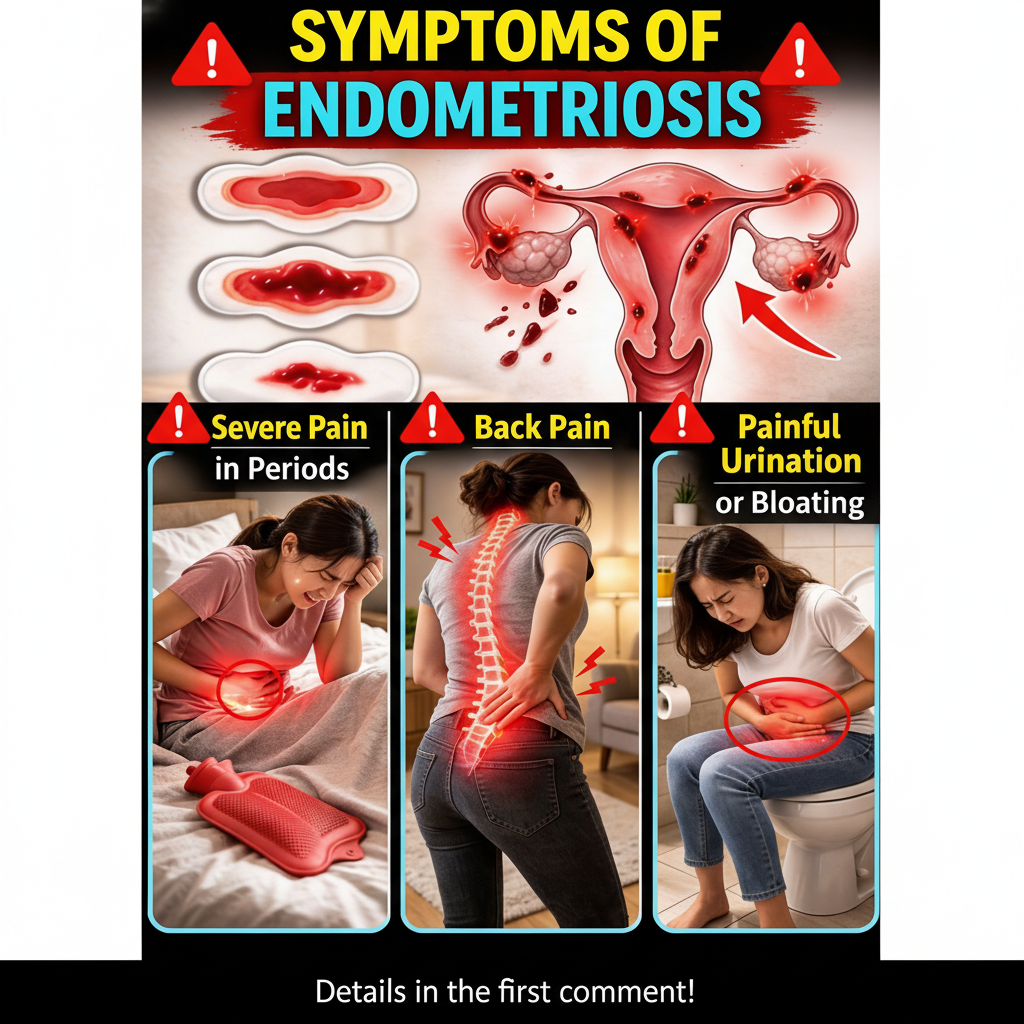
Beyond typical menstrual cramps, endometriosis can cause severe, debilitating pain. This discomfort might begin days before your period, intensify during menstruation, and linger afterward. It’s often described as a throbbing, searing, or stabbing pain that can be so intense it forces you to cancel plans, miss work or school, and significantly disrupts your daily activities.
-
2. Chronic Pelvic Pain
A persistent ache or pressure in your lower abdomen or pelvis that isn’t confined to your menstrual cycle. This ongoing discomfort can manifest as a dull, constant throb that never fully subsides, affecting your comfort and well-being even on non-period days.
-
3. Lower Back, Hip, or Thigh Pain
Pain that radiates beyond the pelvic region, extending into your lower back, hips, or down your thighs. While it often escalates during menstruation, this referred pain can also be present at other times, indicating nerve involvement or widespread inflammation.
-
4. Pain During or After Sex (Dyspareunia)
Experiencing deep pain, discomfort, or a sharp, burning sensation during or immediately after sexual intercourse. This symptom, often lasting for hours post-intimacy, is frequently under-reported but significantly impacts relationships and quality of life.
-
5. Heavy Menstrual Bleeding (Menorrhagia)
Periods characterized by excessive blood loss, where you might soak through pads or tampons every hour or two, or pass large blood clots (larger than a quarter). This heavy flow can lead to anemia and further fatigue.
-
6. Bleeding Between Periods (Intermenstrual Bleeding)
Unusual spotting or light bleeding that occurs outside of your regular menstrual cycle. This unpredictable bleeding pattern can be confusing and a source of significant concern.
-
7. Painful Bowel Movements (Dyschezia)
Discomfort, cramping, or sharp pain experienced during defecation, particularly exacerbated during your period. Some women also notice cyclical diarrhea, constipation, or significant bloating linked to their menstrual cycle, often mistaken for irritable bowel syndrome (IBS).
-
8. Painful Urination (Dysuria)
A burning sensation, pressure, or discomfort when urinating, which is often more pronounced around the time of menstruation. In rare instances, microscopic traces of blood might be found in the urine.
-
9. Persistent Fatigue
Profound and unremitting tiredness or a pervasive lack of energy, even after adequate rest. The chronic inflammation, pain, and potential anemia associated with endometriosis can significantly drain the body’s resources over time.
-
10. Bloating and Digestive Disturbances
Frequent abdominal swelling (often referred to as “endo belly”), nausea, or other gastrointestinal symptoms that mirror conditions like IBS, but notably flare up before or during your menstrual periods.
-
11. Nausea or Vomiting
Feeling queasy, nauseated, or even experiencing vomiting around the time of your menstrual cycle, sometimes accompanied by headaches or dizziness.
-
12. Difficulty Conceiving (Infertility)
Struggling to become pregnant after an extended period of trying (e.g., 6-12 months). Endometriosis is a recognized cause of fertility challenges in some women, due to inflammation, scar tissue formation, and anatomical distortions that can affect the ovaries and fallopian tubes.
-
13. Symptoms Worsening Over Time
A noticeable progression where symptoms, especially pain, gradually intensify with each successive menstrual cycle. What might have started as manageable cramps can evolve into disruptive, life-altering discomfort year after year.
\
It’s common for women with endometriosis to experience a combination of these signs, creating a frustrating cycle where their “normal” feels anything but healthy or manageable.
Normal Period Pain vs. Potential Endometriosis Symptoms: A Quick Guide
Understanding the difference between typical menstrual discomfort and signs that might point to endometriosis is crucial:
- Normal Period Pain: Typically involves mild to moderate cramps, which are usually relieved effectively by over-the-counter pain medications. This discomfort generally doesn’t significantly interfere with daily activities or responsibilities.
- Potential Endometriosis Symptoms: Characterized by severe, long-lasting pain that often requires stronger pain relief or is unresponsive to standard medications. This pain frequently disrupts work, school, or social life, and is commonly accompanied by other symptoms such as unusually heavy bleeding, painful bowel movements, or chronic fatigue.
If your experiences align more frequently with the description of potential endometriosis symptoms, meticulously tracking your symptoms can provide invaluable insights for your healthcare provider.
Proactive Steps You Can Take Now
While a definitive diagnosis and personalized treatment plan can only be provided by a qualified healthcare professional, being proactive is key. Start by keeping a detailed symptom diary, noting the type, intensity, and duration of your pain, as well as any other accompanying symptoms and how they relate to your menstrual cycle. Share this information openly and honestly with your doctor. Early recognition and appropriate medical guidance can significantly improve management and quality of life for those living with endometriosis.
”
}
“`