 By admin
 Are you yearning for longer, thicker, or simply more vibrant hair, yet find yourself stuck in a cycle of slow growth, fragility, and persistent dullness? The journey to healthy hair can be frustrating, especially when countless products yield disappointing results and daily stressors, diet, or styling habits take their toll. Imagine if a natural, readily available ingredient from your kitchen could offer a gentle yet effective boost to your hair care regimen. Enter fresh ginger, a revered root with a rich history in traditional wellness practices, now gaining attention for its potential benefits in modern hair care. This guide will reveal a straightforward method to integrate ginger into your routine just twice a week, along with practical tips to maximize its impact. Get ready to explore how this potent spice might just be the secret ingredient your hair has been waiting for.
Unpacking the Potential: How Ginger May Benefit Your Hair and Scalp
Delving into the science, Zingiber officinale, commonly known as ginger, is rich in bioactive compounds such as gingerol and a spectrum of antioxidants. These potent constituents have long been valued in traditional wellness systems, particularly for their role in fostering scalp vitality. Ginger is celebrated for its natural warming effect, which, when applied topically, is believed to enhance localized blood circulation. Improved blood flow to the scalp can, in turn, ensure that hair follicles receive a more robust supply of essential nutrients, potentially promoting healthier hair growth.
Scientific exploration into ginger’s impact on hair is ongoing. For instance, studies examining specific compounds found in ginger, like cedrol, have indicated promising effects on hair regeneration in animal models, leading to accelerated regrowth under certain experimental conditions. Furthermore, research involving ginger extract in individuals experiencing alopecia areata, an inflammatory hair loss condition, has observed reductions in oxidative stress markers. This suggests an indirect benefit through the creation of a more favorable and less inflammatory scalp environment.
However, it’s crucial to approach these findings with a balanced perspective: the evidence is not entirely conclusive. While some preliminary lab and small-scale studies highlight potential advantages for scalp health and inflammation reduction, other research focusing on 6-gingerol, a primary compound in ginger, has paradoxically shown it to inhibit hair shaft elongation in cultured follicles and mouse models. Therefore, ginger should not be considered a universal cure-all for hair concerns. Outcomes can vary significantly based on individual factors such as hair type, scalp sensitivity, and overall physiological health. In essence, while ginger offers valuable supportive properties—like its reputed anti-inflammatory and circulation-enhancing effects—it is best viewed as a complementary component to a holistic hair care regimen, not a standalone miracle solution. Many users integrate it successfully into their routine to achieve noticeably shinier, stronger-looking strands.
Key Advantages: What Ginger Can Bring to Your Hair Care
Thoughtfully integrating ginger into your regular hair care regimen could unlock several distinct advantages for your scalp and strands:
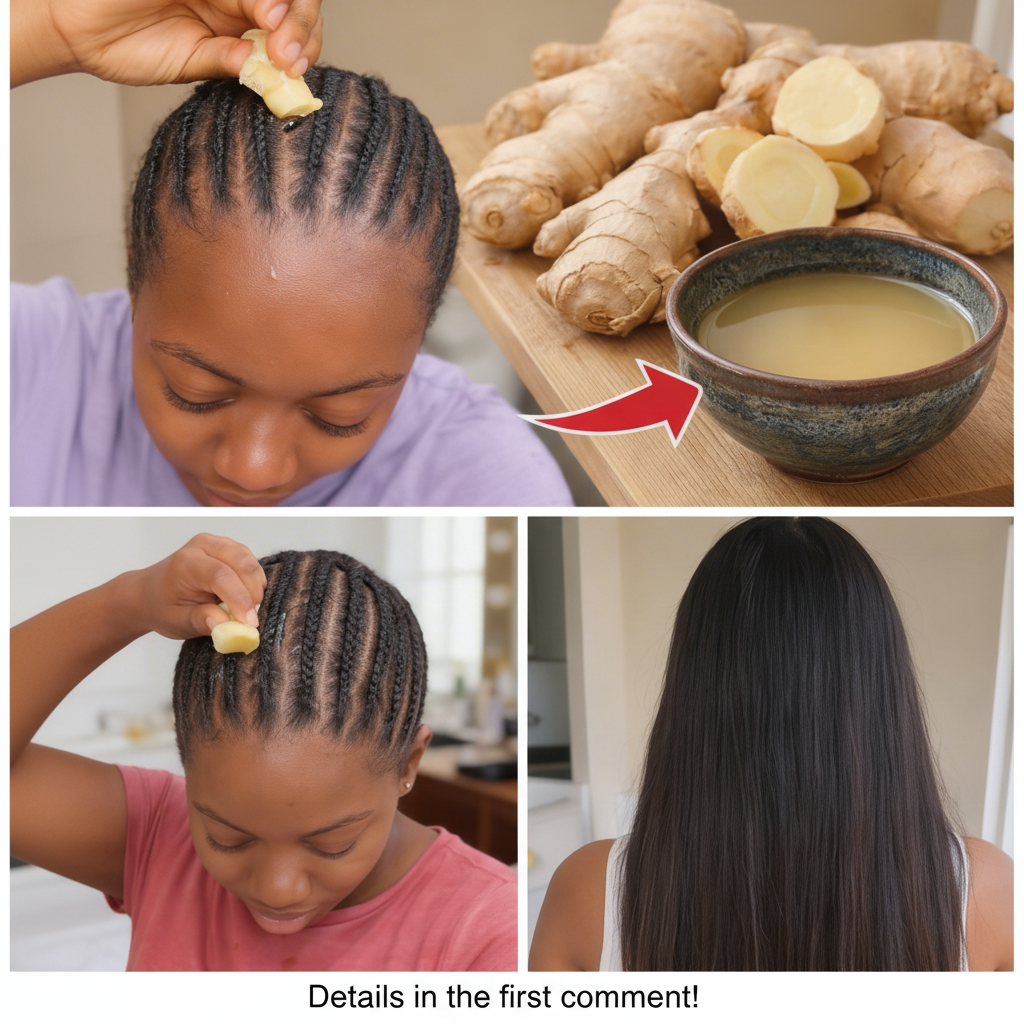
- Enhanced Scalp Stimulation: The inherent warming sensation of fresh ginger can naturally encourage gentle massage, promoting improved blood circulation to the scalp. This increased microcirculation is vital for delivering nutrients to hair follicles.
- Robust Antioxidant Defense: Ginger’s rich array of antioxidant compounds actively helps neutralize free radicals and combat daily oxidative stress, which can otherwise compromise the health and vitality of your hair.
- Calming and Soothing Effects: For some individuals, ginger’s natural properties may help alleviate mild scalp irritation, dryness, or flakiness, contributing to a more comfortable and balanced scalp environment.
- Nutrient-Rich Support: Packed with essential vitamins and minerals, ginger can contribute to the overall nourishment of your hair, supporting its strength, shine, and healthy appearance with consistent use.
It’s important to remember that individual results can vary. What proves highly effective for one person might require adjustments or a different approach for another, underscoring the personalized nature of natural remedies.
Your DIY Guide: Preparing and Applying Your Weekly Ginger Hair Treatment
Eager to begin your journey with this natural hair booster? This straightforward, at-home method leverages the potency of fresh ginger juice for direct application to the scalp, a technique highly favored in natural remedies for its efficacy and ease.
What You’ll Need:
- Fresh Ginger Root: One large piece, approximately 4-5 inches in length.
- Optional Carrier: For those with sensitive scalps, consider using a mild carrier oil (like coconut oil) or aloe vera gel to dilute the ginger juice.
- Tools for Extraction: A grater, blender, or juicer.
- Preparation Essentials: A clean bowl and a fine-mesh strainer or cheesecloth.
Simple Step-by-Step Application:
- Prepare the Ginger: Thoroughly wash and peel the fresh ginger root. Cut it into smaller, manageable pieces to facilitate easier processing.
- Extract the Juice: Finely grate the ginger, then firmly squeeze the grated pulp through a clean cloth or a fine strainer to extract the pure ginger juice. (Alternatively, blend the ginger pieces with a minimal amount of water, then strain the mixture.) Aim to collect about 2-3 tablespoons of fresh juice.
- Apply to Scalp: Divide your dry or slightly damp hair into sections. Using your fingertips or a cotton pad, carefully apply the ginger juice directly onto your scalp. Focus particularly on the roots and any areas where you desire extra attention. Gently massage the scalp in circular motions for 3-5 minutes to stimulate circulation.
- Allow to Absorb: Let the ginger treatment remain on your scalp for 15-30 minutes. It’s normal to experience a mild warming or tingling sensation; this indicates increased blood flow.
- Rinse and Cleanse: Rinse your hair thoroughly with water, then shampoo as you normally would (a second shampooing might be beneficial to ensure all residue is removed). Follow with your preferred conditioner and style your hair as usual.
Expert Tip: To gauge your scalp’s response, start by applying this treatment twice a week, perhaps on non-consecutive days like Monday and Thursday evenings. If the sensation feels too intense, remember to dilute the ginger juice with a carrier oil or aloe vera gel during your next application.