 By admin
 Discover the Top 5 Essential Vitamins and Their Incredible Health Benefits
Introduction: Fueling Your Body with Essential Nutrients
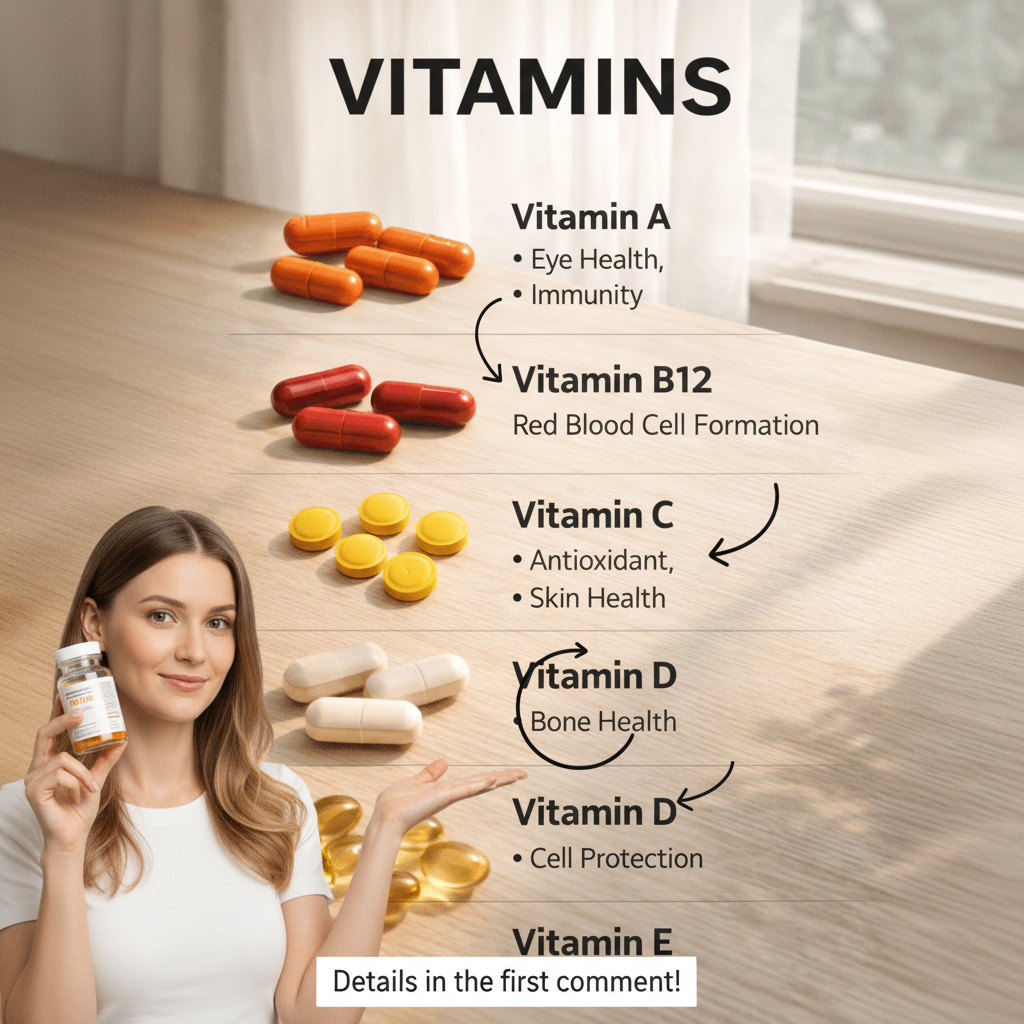
Vitamins are indispensable micronutrients that play a pivotal role in maintaining our overall health and vitality. Though required in small quantities, these organic compounds are critical for a myriad of biological processes within the body. Ensuring a balanced daily intake of essential vitamins is key to bolstering your immune system, sustaining energy levels, and promoting optimal bodily function. This comprehensive guide will delve into five crucial vitamins your body needs daily, exploring their significant health benefits and practical ways to integrate them into your diet.
1. Vitamin A: Powering Vision and Immunity
Vitamin A is a fat-soluble vitamin renowned for its profound impact on vision, immune system strength, and skin health. It exists in two primary forms: preformed vitamin A (retinol), found in animal-derived foods, and provitamin A carotenoids (like beta-carotene), abundant in plant-based sources.
Key Benefits of Vitamin A:
- Optimal Eye Health: Essential for sharp vision, particularly in low light conditions, Vitamin A contributes to the formation of light-sensitive pigments in the retina, helping prevent conditions like night blindness.
- Robust Immune Support: This vitamin fortifies the body’s defense mechanisms by supporting the development and proper functioning of white blood cells, which are crucial for fighting off infections.
- Healthy Skin & Cell Regeneration: Vitamin A aids in the regeneration of skin cells, promoting a smooth complexion and potentially reducing the appearance of fine lines and wrinkles.
Rich Sources of Vitamin A:
- Animal-Based: Liver, eggs, and dairy products.
- Plant-Based (as Beta-Carotene): Carrots, sweet potatoes, spinach, and kale.
2. Vitamin B12: Vital for Blood and Nerve Health
Vitamin B12, a water-soluble powerhouse, is indispensable for numerous critical bodily functions, including the formation of healthy red blood cells, DNA synthesis, and maintaining proper neurological function. Its deficiency can lead to anemia, characterized by a lack of oxygen-carrying red blood cells.
Essential Benefits of Vitamin B12:
- Red Blood Cell Production: Crucial for the synthesis of red blood cells, which are responsible for transporting oxygen throughout the body to vital organs and tissues.
- Nervous System Integrity: Supports the health of the myelin sheath, a protective layer around nerves, thereby preventing nerve damage and ensuring efficient nerve signal transmission.
- Sustained Energy Metabolism: Vitamin B12 plays a significant role in converting the food you eat into glucose, providing the energy needed to stay active and alert throughout the day.
Dietary Sources of Vitamin B12:
- Animal Products: Meats, fish, poultry, dairy products, and eggs.
- Fortified Foods: Many plant-based milks, breakfast cereals, and nutritional yeast are enriched with Vitamin B12, making it accessible for vegetarians and vegans.
3. Vitamin C: The Antioxidant and Collagen Builder
Widely recognized for its potent antioxidant capabilities, Vitamin C is a water-soluble vitamin that offers crucial protection against oxidative stress and free radical damage. Furthermore, it is a key player in collagen synthesis, a protein vital for the structural integrity of skin, blood vessels, and bones.
Noteworthy Benefits of Vitamin C:
- Powerful Antioxidant Defense: Vitamin C actively neutralizes harmful free radicals, thereby protecting cells from damage and potentially lowering the risk of chronic conditions like heart disease and certain cancers.
- Radiant Skin & Tissue Repair: As an essential co-factor for collagen production, Vitamin C is fundamental for maintaining skin elasticity, promoting wound healing, and diminishing the appearance of fine lines.
- Immune System Enhancement: This vitamin significantly boosts immune function by stimulating the production and improving the efficacy of various white blood cells, strengthening your body’s ability to ward off illness.
Abundant Sources of Vitamin C:
- Fruits and Vegetables: Excellent sources include oranges, strawberries, bell peppers, broccoli, kiwi, and many other vibrant produce items.
4. Vitamin D: The Sunshine Vitamin for Bone and Mood
Primarily known as the ‘sunshine vitamin,’ Vitamin D is a fat-soluble nutrient paramount for bone health. It facilitates the absorption of calcium and phosphorus, two minerals essential for developing and maintaining strong, healthy bones and teeth.
Diverse Benefits of Vitamin D:
- Exceptional Bone Strength: By regulating calcium and phosphorus levels, Vitamin D ensures proper mineralization of bones, crucial for preventing conditions like osteoporosis.
- Modulated Immune Response: Beyond bones, Vitamin D plays a vital role in modulating the immune system, potentially reducing susceptibility to infections and autoimmune conditions.
- Enhanced Mood & Mental Wellness: Adequate levels of Vitamin D are increasingly linked to improved mood and cognitive function, with some research suggesting a role in reducing the risk of depression.
Primary Sources of Vitamin D:
- Sunlight Exposure: The skin naturally produces Vitamin D when exposed to ultraviolet B (UVB) rays from the sun.
- Dietary Intake: Fatty fish (such as salmon and mackerel), fortified milk and cereals, egg yolks, and certain mushrooms are good food sources.
5. Vitamin E: Guardian of Cellular Health
Vitamin E is a potent fat-soluble antioxidant that plays a critical role in protecting the body’s cells from oxidative damage caused by free radicals. This essential nutrient is also indispensable for maintaining healthy skin, eyes, and a robust immune system.
Core Benefits of Vitamin E:
- Advanced Cell Protection: As a powerful antioxidant, Vitamin E shields cell membranes from oxidative stress, which is implicated in aging and the development of various chronic diseases.
- Nourished Skin Health: It contributes to maintaining skin integrity and elasticity, often used in skincare for its moisturizing and healing properties, and may help reduce the visibility of scars and age spots.
- Strengthened Immune Function: Vitamin E bolsters the immune system by enhancing the function of immune cells, thereby improving the body’s capacity to detect and neutralize pathogens.
Key Sources of Vitamin E:
- Plant-Based Oils: Wheat germ oil, sunflower oil, safflower oil, and corn oil.
- Nuts and Seeds: Almonds, peanuts, hazelnuts, and sunflower seeds.
- Leafy Green Vegetables: Spinach and broccoli.
- Fortified Foods: Some cereals and juices.
Conclusion: Prioritizing Your Vitamin Intake for Optimal Well-being
Incorporating these essential vitamins into your daily routine is a fundamental step towards achieving and maintaining optimal health. While a balanced diet rich in diverse fruits, vegetables, and whole foods is the best approach to obtain these vital nutrients, supplementation may be considered under professional guidance. Prioritizing your vitamin intake empowers your body to function at its best, contributing to long-term well-being and vitality.