 By admin
 Stepping into your favorite open-back shoes only to be met with the uncomfortable sensation of rough, split skin on your heels can be truly frustrating. These common cracked heels don’t just limit your footwear choices; they can make every step a conscious effort and even cause discomfort or pain, particularly when walking on hard surfaces. While dry, thickened skin on the heels is a prevalent issue, often exacerbated by aging or prolonged periods of standing, the good news is that achieving smoother, more comfortable feet is entirely within reach. Many effective solutions involve simple, consistent habits and surprisingly, some of the best remedies can be found right in your kitchen pantry.
What Causes Cracked Heels in the First Place?
To effectively treat and prevent cracked heels, it’s crucial to first understand their underlying causes. These painful skin splits, medically known as heel fissures, occur when the skin on your heels loses its essential moisture, resulting in a thick, rigid texture that can’t flex with movement. A combination of daily habits and environmental factors significantly contributes to their development:
- Extended periods of standing or walking, particularly on unforgiving hard surfaces.
- Frequent wear of open-back footwear or the habit of going barefoot, which exposes heels to the elements.
- Low humidity and cold weather, which can severely dry out the skin.
- Hot showers, notorious for stripping the skin’s natural protective oils.
- Natural age-related decline in skin elasticity and moisture retention.
Leading health organizations, including the Mayo Clinic and the American Academy of Dermatology, confirm that persistent dryness culminates in a buildup of dead skin cells, which eventually crack under the pressure of body weight. Though often benign initially, neglecting these fissures can escalate discomfort and potentially lead to more serious issues.
Why Moisturizing Is Your First Line of Defense
At the heart of any effective strategy for tackling dry, cracked heels is consistent and thorough moisturization. Research consistently underscores that rich, occlusive moisturizers are far superior at sealing in hydration and softening stubborn rough patches compared to lighter lotions. Let’s look at the differences:
- Lotions: These are generally light and water-based, suitable for everyday body hydration but often insufficient for the thick skin on heels.
- Creams: With a higher oil content, creams offer better penetration and a more robust ability to retain moisture, making them a good choice for foot care.
- Ointments (e.g., petroleum jelly): Being the heaviest, ointments form a powerful protective barrier, making them exceptionally effective for intensive overnight treatment.
For optimal results, apply a generous amount of your chosen moisturizer immediately after showering or soaking your feet, while the skin is still slightly damp. This critical step helps to trap existing moisture. Many dermatologists advise applying moisturizer at least twice a day to achieve significant and lasting improvements.
Step-by-Step: A Simple Daily Foot Soak and Exfoliation Routine
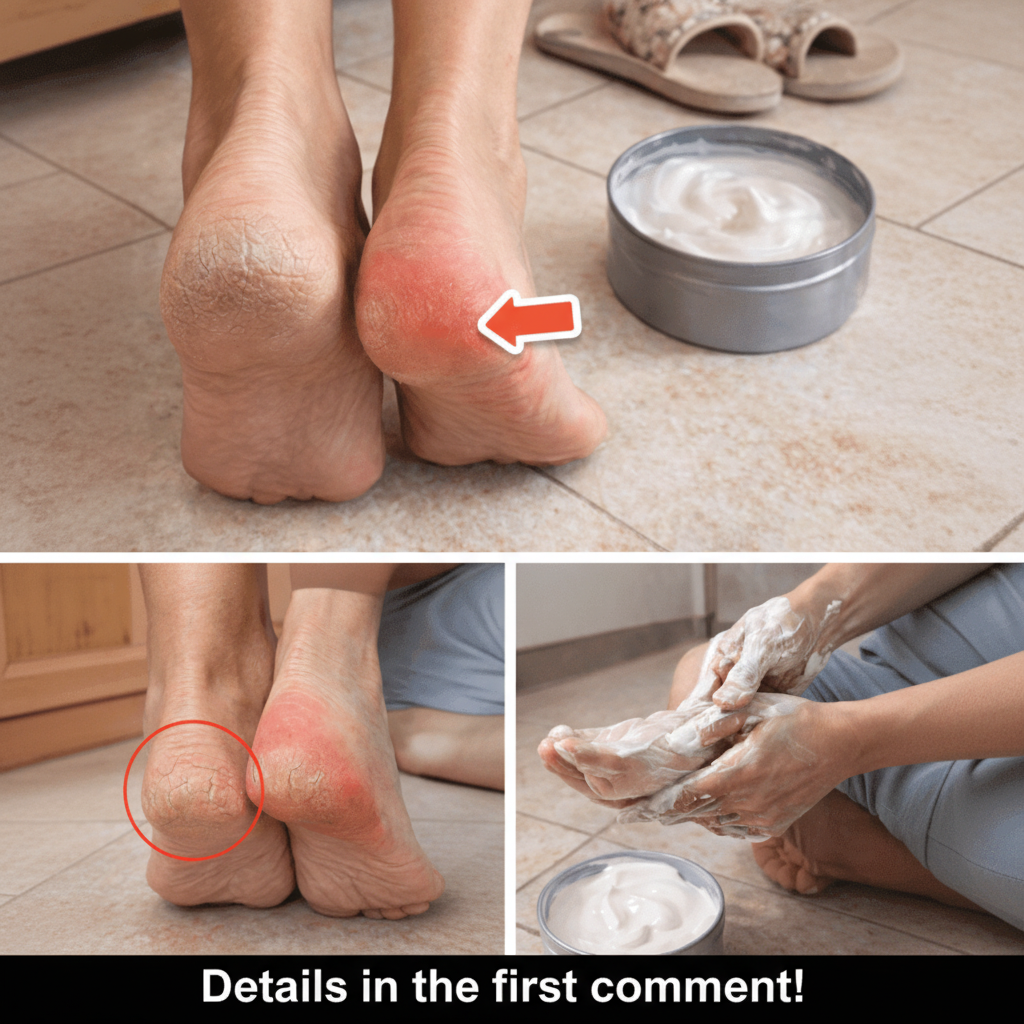
Incorporating a regular foot soak and exfoliation routine is a remarkably straightforward yet powerful method for achieving noticeably softer heels. This process works by softening hardened skin, allowing for the gentle removal of dead skin cell buildup without causing irritation. Aim to follow these steps 2-3 times per week:
- Prepare Your Soak: Fill a basin with warm (not scalding hot) water. Soak your feet for approximately 10-15 minutes to effectively loosen dead skin. You can enhance the experience by adding a handful of Epsom salt or a small amount of mild liquid soap.
- Gentle Drying: After soaking, gently pat your feet dry with a soft towel.
- Exfoliate Carefully: While your heels are still damp, use a pumice stone or a specialized foot file. Apply light, circular motions to buff away dead skin. It’s crucial not to overdo this step; discontinue immediately if you experience any pain or discomfort.
- Deep Moisturize: Promptly apply a generous layer of a rich moisturizer or petroleum jelly to your freshly exfoliated heels.
- Lock it In: For enhanced absorption and overnight benefits, slip on a pair of clean cotton socks.
This consistent routine, highly recommended by podiatrists and dermatologists, systematically works to promote smoother, healthier skin by gently managing dead skin buildup.
Natural Ingredients to Try for Softer Heels
Beyond standard moisturizers, several natural household ingredients can complement your routine, offering additional moisture and gentle softening properties for your feet. Remember to always perform a patch test on a small area of skin first to rule out any potential irritation.
- Coconut Oil: Abundant in beneficial fatty acids, coconut oil is excellent for helping the skin retain moisture. Simply warm a small quantity in your palms and massage it thoroughly into your heels following a soak.
- Honey: Renowned for its humectant qualities, honey naturally draws moisture into the skin. It also possesses mild antibacterial properties. Consider mixing it with a little warm water to create a soothing foot mask, or add a spoonful to your foot soak.
- Olive Oil: A readily available and potent emollient, olive oil can be applied directly to your heels after exfoliation for an overnight softening treatment.
- Shea Butter: This intensely thick and nourishing butter is superb for creating a protective barrier that seals in hydration, making it an ideal choice for a rich foot balm.
Expert Tip: Integrate one of these natural remedies into your nightly regimen. Apply it generously, then cover your feet with cotton socks to maximize absorption as you sleep. With consistent application, many individuals report noticeable improvements in the softness and texture of their feet within just a few weeks.
Lifestyle Tweaks to Help Prevent Cracked Heels
To maintain the health and comfort of your feet long-term and proactively prevent the recurrence of cracked heels, consider incorporating these simple yet impactful lifestyle adjustments:
- Prioritize Proper Footwear: Opt for supportive, closed-back shoes that fit correctly. Minimize prolonged use of flip-flops or other backless styles, which offer little support and can exacerbate heel dryness.
- Hydrate from Within: Ensure you drink an adequate amount of water throughout the day to keep your entire body, including your skin, well-hydrated.
- Mind Your Bathing Habits: Reduce the frequency and duration of hot showers, which can strip natural oils from your skin. Always choose mild, fragrance-free soaps or body washes.
- Rest Your Feet: If your job or daily activities require extensive standing, make sure to take regular breaks to elevate and and rest your feet.
- Overnight Protection: Continue the habit of wearing clean cotton socks to bed after applying moisturizer, even once your heels have softened, to maintain hydration and protect newly softened skin.