 By admin
 For many, particularly those over 40, vaping has been perceived as a safer alternative to traditional cigarettes or even a tool for smoking cessation. However, a growing body of evidence and expert warnings are casting a stark light on its hidden dangers, specifically a severe and irreversible lung condition known as ‘popcorn lung.’ This debilitating ailment, medically termed bronchiolitis obliterans, can transform simple daily tasks—like climbing a flight of stairs or enjoying time with loved ones—into frustrating and exhausting struggles, significantly diminishing quality of life.
Understanding the profound risks associated with vaping and the development of popcorn lung is crucial for making truly informed health decisions. This article delves into the specifics of this serious condition, its connection to e-cigarette use, and what you need to know to protect your respiratory well-being.
🫁 What Is Popcorn Lung?
Medically identified as bronchiolitis obliterans, ‘popcorn lung’ is a serious and uncommon lung disorder directly implicated in vaping. It targets and irreparably harms the tiny air sacs and smallest airways (bronchioles) deep within your lungs. Envision the constant struggle for breath after minimal exertion—whether it’s light gardening or simply sharing a laugh with loved ones. This persistent respiratory distress, a hallmark of vaping-induced popcorn lung, can profoundly erode one’s quality of life and sense of independence.
Scientific studies confirm that inhaling specific chemical compounds, frequently found in e-liquids, instigates inflammation and subsequent scarring within these delicate airways. Over time, this scarring causes the passages to thicken and constrict, significantly impeding airflow. Crucially, medical professionals emphasize the irreversible nature of this condition; once the damage is established, individuals face a lifetime of managing symptoms and compromised lung function.
The evocative name “popcorn lung” originated from industrial cases where factory workers developed similar lung damage after inhaling diacetyl, a flavoring chemical used in microwave popcorn production. Today, the widespread use of e-cigarettes and vaping devices has unfortunately brought this once-niche occupational hazard into the everyday lives of consumers. This isn’t a remote danger; vaping-linked popcorn lung can subtly manifest, transforming what might seem like trivial coughs into chronic, debilitating respiratory concerns that disrupt sleep, deplete energy, and overshadow daily contentment. Unexplained fatigue coupled with breathing difficulties could very well be a silent indicator of this condition.
Research consistently points to the chemical diacetyl, a common additive in many e-liquid flavorings, as a primary culprit. Its inhalation triggers severe inflammation that is central to the development of bronchiolitis obliterans. Recognizing these early warning signs is paramount, as timely intervention and cessation of vaping can potentially mitigate further progression of lung damage.
🔗 The Link Between Vaping and Popcorn Lung
The undeniable scientific link between vaping and the onset of popcorn lung is primarily attributed to specific flavoring chemicals, most notably diacetyl, present in a variety of e-liquids. When these substances are heated and inhaled as vapor, they inflict significant damage on delicate lung tissues. Imagine the profound frustration of experiencing persistent wheezing or shortness of breath during cherished family moments, unable to engage fully because vaping-induced bronchiolitis obliterans has left your airways scarred, inflamed, and constricted.
Medical experts confirm that while diacetyl is considered safe for ingestion in food, its inhalation in vapor form is highly toxic to the respiratory system. This exposure triggers an inflammatory response that leads to the thickening and scarring of the bronchioles, the lung’s smallest air passages. Compounding this concern are numerous documented cases, including that of a young individual who developed severe popcorn lung after prolonged e-cigarette use, unequivocally highlighting the potential for profound and lasting harm even in individuals who previously appeared healthy.
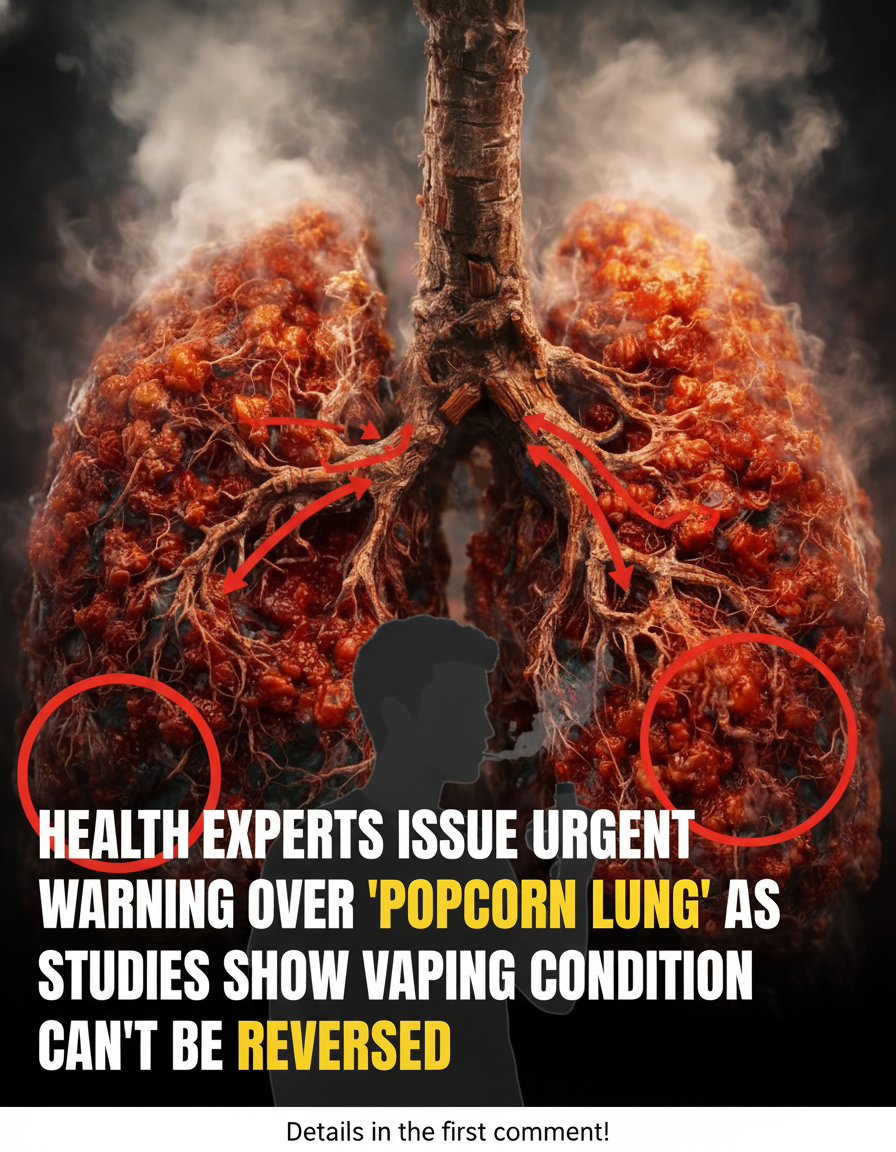
The insidious nature of vaping lies in the repeated and prolonged exposure of the lungs to these hazardous chemicals. Each puff incrementally increases the risk of developing popcorn lung, creating a distressing cycle that can lead to significant physical limitations and an emotional burden of feeling “trapped” by compromised breathing. While some e-liquid manufacturers have reportedly phased out diacetyl, health organizations continue to raise alarms. The historical prevalence of flavored vaping products means countless individuals may have already been exposed, and other potentially harmful chemicals may still be in use. What might begin as a seemingly innocuous habit or a momentary escape can, in reality, precipitate irreversible physiological changes, transforming perceived relaxation into a source of enduring health complications.
⚠️ Symptoms to Watch For in Vaping-Linked Popcorn Lung
Identifying vaping-linked popcorn lung symptoms early can be challenging, as they often initially resemble those of a common cold or bronchitis. However, unlike a typical cold, these symptoms persist and progressively worsen, leading to growing anxiety with every cough or gasp for air that disrupts your daily life. The relentless shortness of breath associated with vaping-induced bronchiolitis obliterans can transform once-simple activities, like ascending stairs, into an arduous marathon, gradually eroding the independence and vitality you cherish.
Clinical studies consistently underscore chronic wheezing and pervasive fatigue as crucial early indicators, frequently intensifying over time without any apparent conventional cause. But these are merely initial manifestations; a persistent dry cough that fails to resolve can be a significant red flag signaling more profound underlying lung damage. To empower you with vigilance, here are the common symptoms of popcorn lung directly associated with vaping:
- Persistent dry cough: A cough that lingers for weeks or months, often disrupting sleep, daily conversations, and leading to considerable frustration.
- Shortness of breath (Dyspnea): Experiencing breathlessness even during minimal exertion or light activities, significantly curtailing participation in social events and hobbies.
- Wheezing: A high-pitched, whistling sound during breathing, serving as an audible reminder of the hidden damage and constricted airways caused by vaping.
- Unexplained fatigue: A pervasive and debilitating tiredness that persists despite adequate rest, severely impacting your physical and mental capacity to engage with loved ones and daily responsibilities.
The critical takeaway is this: disregarding these tell-tale signs of vaping-related popcorn lung can tragically mean forfeiting precious opportunities for early intervention and lifestyle adjustments. Such oversight not only permits the condition to advance but also amplifies the emotional and psychological strain of living with escalating health uncertainty.
📉 Risks and Long-Term Effects of Popcorn Lung from Vaping
The long-term prognosis for individuals diagnosed with vaping-linked popcorn lung is unfortunately severe, marked by the irreversible progression of lung damage. The condition inherently carries the profound risk of permanent and extensive lung scarring (fibrosis) that can relentlessly escalate into debilitating respiratory insufficiency. Envision a future where even the simplest physical activities become agonizing, forcing a drastic reduction in your active lifestyle and profound changes to your daily independence.
As the bronchioles become increasingly scarred and constricted, the lungs’ capacity to efficiently exchange oxygen and carbon dioxide is severely compromised. This leads to chronic and worsening shortness of breath, persistent coughing, and a diminished quality of life. Patients often face a future requiring ongoing medical management, including potent medications to alleviate symptoms, and in advanced cases, supplemental oxygen therapy to support basic breathing functions. The chronic nature of bronchiolitis obliterans from vaping can severely impact overall health, potentially shortening life expectancy and placing significant emotional and financial burdens on individuals and their families.
Beyond the physical toll, the psychological impact is profound. Living with a chronic, irreversible lung condition can lead to anxiety, depression, and a pervasive sense of loss—loss of freedom, vitality, and the ability to enjoy life without constant respiratory challenges. This underscores the critical importance of understanding and avoiding the dangers associated with vaping, particularly the insidious threat of popcorn lung.